In this article
"Discovery" is one of those agency words that can mean everything or nothing. At its worst it is a kick-off meeting and a shared folder. At its best it is the most valuable part of a project, the bit that decides whether everything after it is built on evidence or on a confident guess. The difference is whether you actually learn something you did not already believe.
That holds for a brand, a website or a campaign, and for a business, a charity or a public body. All of them depend on decisions made by people outside the building. At Ideate Partners, finding out how those decisions really get made is where every project starts.
What discovery is for
Good discovery has one job: to find the insight that changes what you would otherwise do. Not to confirm the brief. Not to make everyone feel consulted. To surface the thing about how real people decide that the team inside could not have told you, because they are too close to see it.
That gives you a simple test. When discovery ends, has anything in the plan changed? If not, either the plan was already right, which does happen, or the questions went to the wrong people.
Discovery earns its keep when it tells you something you didn’t already believe, not when it confirms the brief.
Talk to the people on the other side of the decision
Workshops with the team matter. But the most useful conversations are with customers, the people who recommend you or don't, and the ones who looked at you and went elsewhere.
For Bush & Co, who provide case management and expert witness services for catastrophic injury, we interviewed and surveyed four groups before a single design: staff, case managers, expert witnesses, and the solicitors and insurers who actually choose Bush. We asked the solicitors and insurers why they used Bush, what got in the way, and what made them pick Bush over anyone else. Three themes kept coming back. The case managers were the relationship. Solicitors searched by geography first. And they were cautious by nature, so trying someone new needed a push. The website gained a map-led consultant finder as a result: solicitors filter by specialism, geography and experience, then shortlist and download CVs. As Hayley Simpson, our Marketing Director, puts it, "nothing was guessed."
HCML provides rehabilitation, case management and workplace health services. When we interviewed the intermediaries who recommend and buy its corporate health services, they told us they hunt for credible content to pass on, turn overwhelmingly to LinkedIn to find it, and want to hear from a provider all year round rather than be bombarded. Real stories landed harder than messages built around services. That shaped a year of content, from a LinkedIn calendar to lived experience stories, as well as two generations of website.
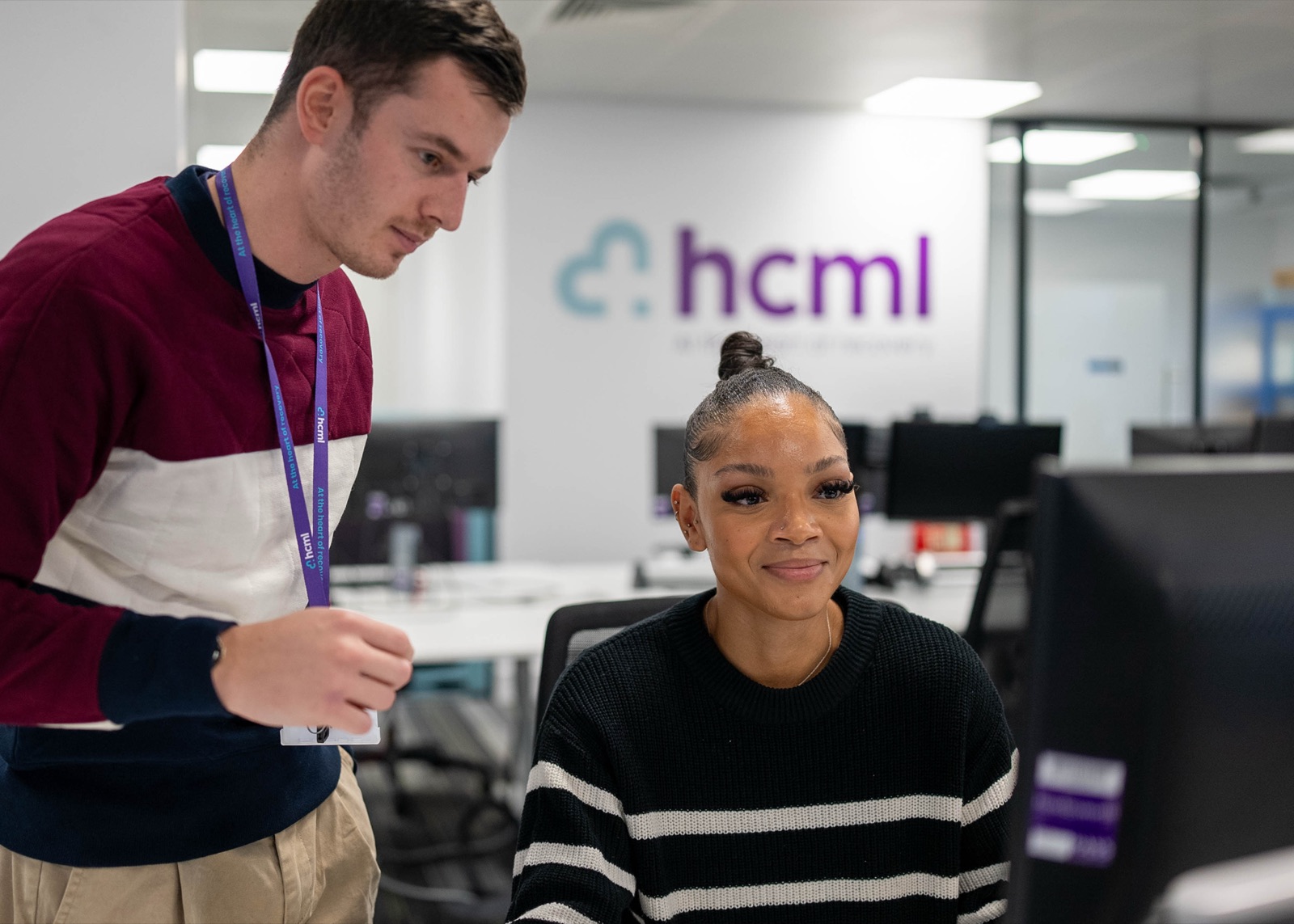
I’ll be honest, plenty of agencies promise they’ll get to know your business. Ideate actually did it. They started with our customers rather than our logo, and the behavioural research they came back with told us things about how all our various customer groups choose a provider that we genuinely hadn’t seen before.
In both cases the findings changed what got made, and that is where the value is.
Ask about what people did, not what they want
People are unreliable about what they want and reliable about what they have done. Ask someone what they look for and you get a tidy list of sensible things. Ask them to walk you through the last time they chose, and what nearly stopped them, and you hear what really happened. What people say they value and what actually moved them are often different things, and it is the second you are after.
| Instead of asking | Try asking | Why it works better |
|---|---|---|
| What do you look for in a provider? | Tell me about the last time you chose one. | A real decision brings back the real reasons |
| Would you use something like this? | When did you last need it, and what did you do? | Saying yes to an idea costs nothing |
| Why did you choose us? | What nearly stopped you? | The hesitation is where the design work is |
| What do you think of our website? | Could you show me how you would find...? | Watching beats describing |
Listen for the words people use, too. They often make a better line than anything written in a meeting room, your homepage headline included. The same thinking sits behind the jobs-to-be-done lens: the situation someone is in explains their choice better than who they are.
Inside, outside and the data, read together
Interviews can mislead as well, so good discovery reads three sources side by side: what the organisation tells you, what the data shows people already do, and what people tell you first hand. Each corrects the others. The inside view is too close. Data shows what people do but rarely why. Interviews explain why, from a small number of voices, so you check them against the numbers.
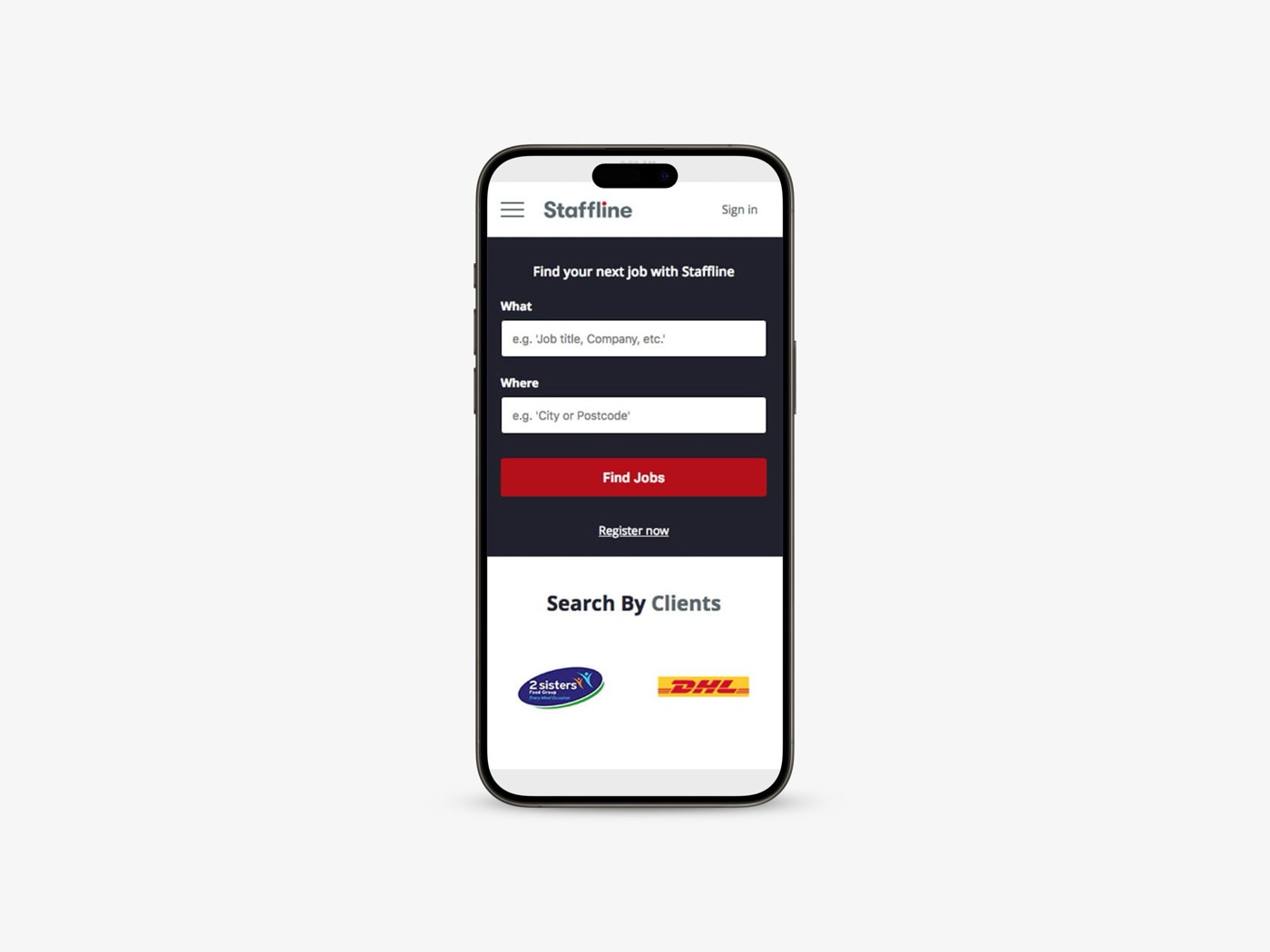
For the blue collar recruiter Staffline, the first analysis showed candidates struggling to find its jobs through search engines, then to apply when they did. A six week audit followed, focused on data and competitors, then workshops with clients and candidates. The results set the direction: a mobile first job search, built around the candidate rather than the client.
Discovery does not always mean interviews. When the Gangmasters and Labour Abuse Authority and three corporate partners wanted a film to raise awareness of modern slavery across UK business, we started by looking at the films already out there. Most talked about the signs of slavery. Very few said what to do once you had decided to act. That gap became the starting point for the concept.

What good discovery includes
- 01Write down what you already believe
List the assumptions in the brief, so the research tests them rather than confirms them.
- 02Hear the inside view
Talk to the staff who face customers every day. They know where things go wrong, if not always why.
- 03Talk to the people who decide
Customers, the people who recommend you and those who chose someone else. Ask about real, recent decisions.
- 04Look at what is already there
Analytics, search data, enquiries, reviews and competitors. Read them next to the interviews, not after.
- 05Find the patterns
Note what came up again and again. Three clear themes are worth more than thirty interesting quotes.
- 06Test it against something real
Put a sketch, a page or a prototype in front of the same kind of people. If it holds, build on it.
How much is enough
Done properly, discovery is light enough to be practical and sharp enough to change the decisions that follow. It does not need to take months. It needs to find the one thing that makes the rest of the work right rather than plausible.
The size of the decision sets the size of the discovery. A national recruiter's new website justified a six week audit. One landing page might need a few conversations and a look at your analytics. What it cannot be is skipped, because changing a line in a brief costs far less than changing a website after launch. Watch for the signs it has turned into theatre:
- The only people interviewed work for you.
- The questions were about preferences, not decisions.
- The findings arrived as a long deck and nobody acted on them.
- Nothing in the plan changed.
The view from the other side
You know your own organisation better than any agency will. Discovery adds the view from the other side of the decision, so the brand, the website and the marketing rest on how people really choose. That is human-centred design in practice. See the whole process on how we work, and where it leads in brand strategy, a website redesign or behavioural design.
Common questions
What is the discovery phase of a project?
The research at the start of a brand, website or marketing project, before anything is designed. It looks at the organisation, the data and, above all, the people whose decisions you want to influence, and ends in a few clear findings that change what gets made. User research is usually the largest part of it.
Can we do discovery ourselves?
Some of it, yes, starting with your own analytics, enquiries and reviews. Interviews are harder from the inside. People tend to speak more freely to someone who did not build the thing, and findings that cut against your own plan are hard to hear.
How many interviews are enough?
Usually fewer than people expect. Keep talking to each group until you stop hearing anything new. If every conversation still surprises you, you are not there yet.