Customer journey mapping built on what your customers actually tell you
Choosing a provider is rarely simple. We talk to the people who choose you, map the route they take from first search to final decision, and show you where they slow down, and why.
How we map a customer journey
What you know, what the data shows and what your customers tell us, brought together.
Studies of how people choose include HCML, Bush & Co, Staffline and Wellcome Connecting Science.
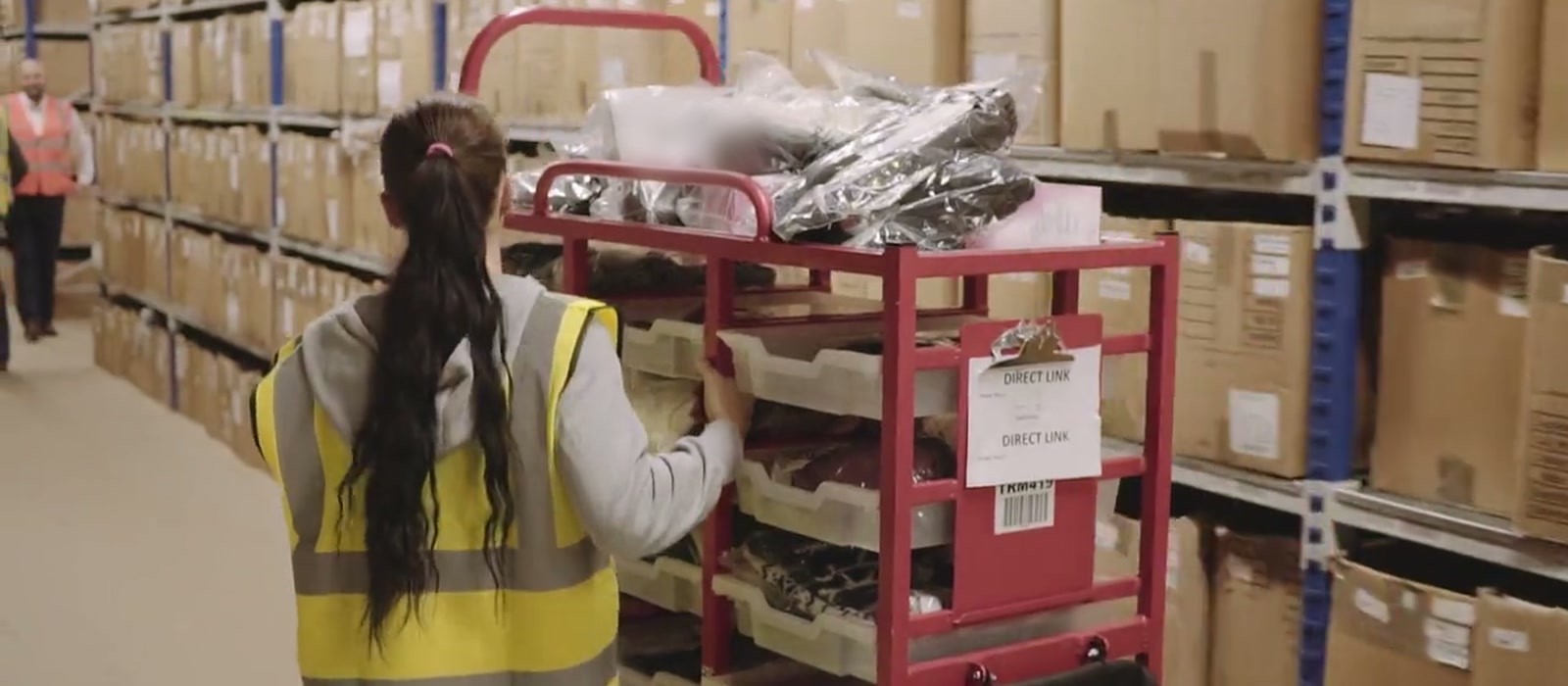



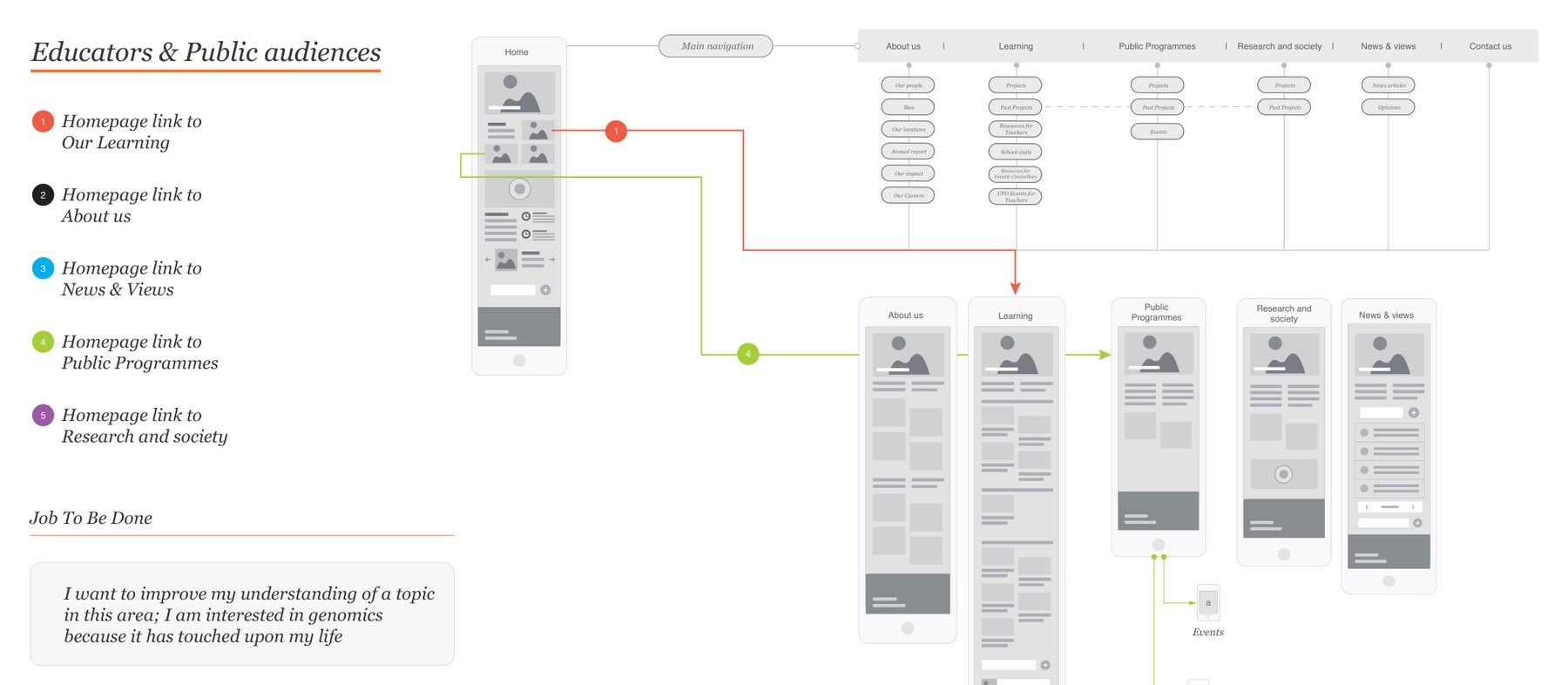
The whole route: A journey map follows the people who choose you from the moment they notice a need to the moment they decide.
Start with your team: A workshop with the people who sell and serve, to set out what you already know about your customers.
Look at the data: What your website and search data show about how people already find and use you.
Talk to the people who choose you: Interviews with customers and the people who influence them: how and why they chose, and what made them pick you over others.
Map, then prioritise: We draw the journey stage by stage, mark where people hesitate, and agree what to change first.
What the research showed, and what changed
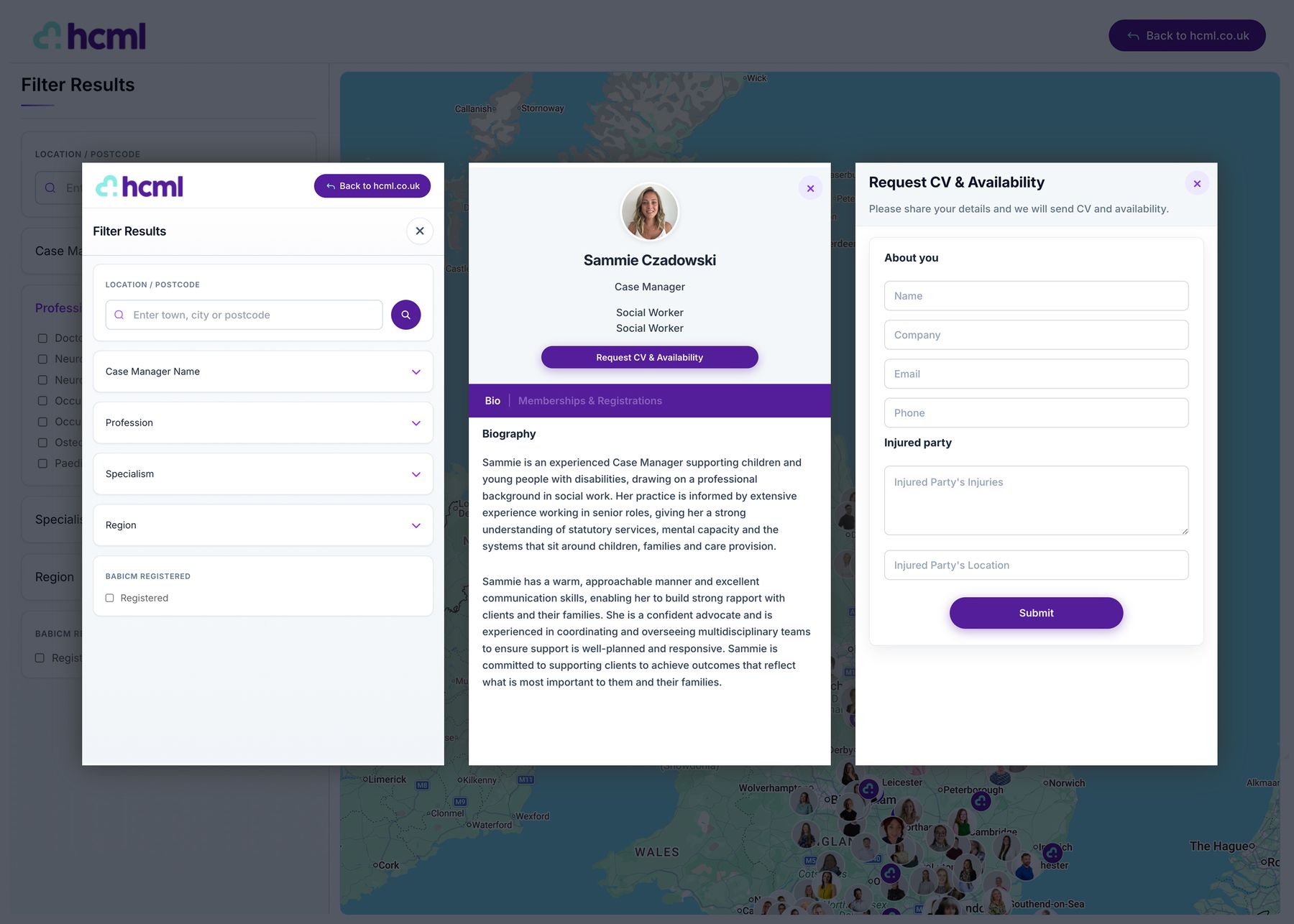 HCMLWe interviewed the intermediaries who recommend and buy HCML’s services, to understand how they choose a provider.
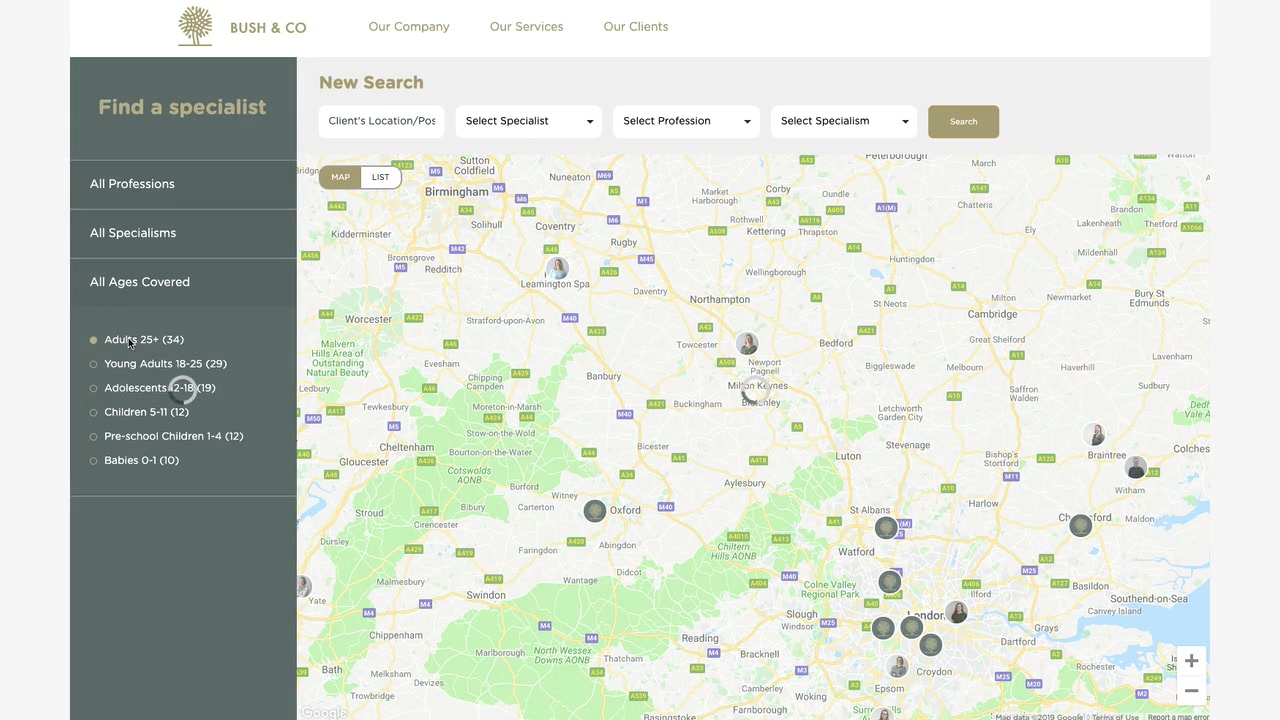 Bush & CoWhat solicitors and insurers told us changed the focus of the website, and led to a consultant finder built on a visual map.
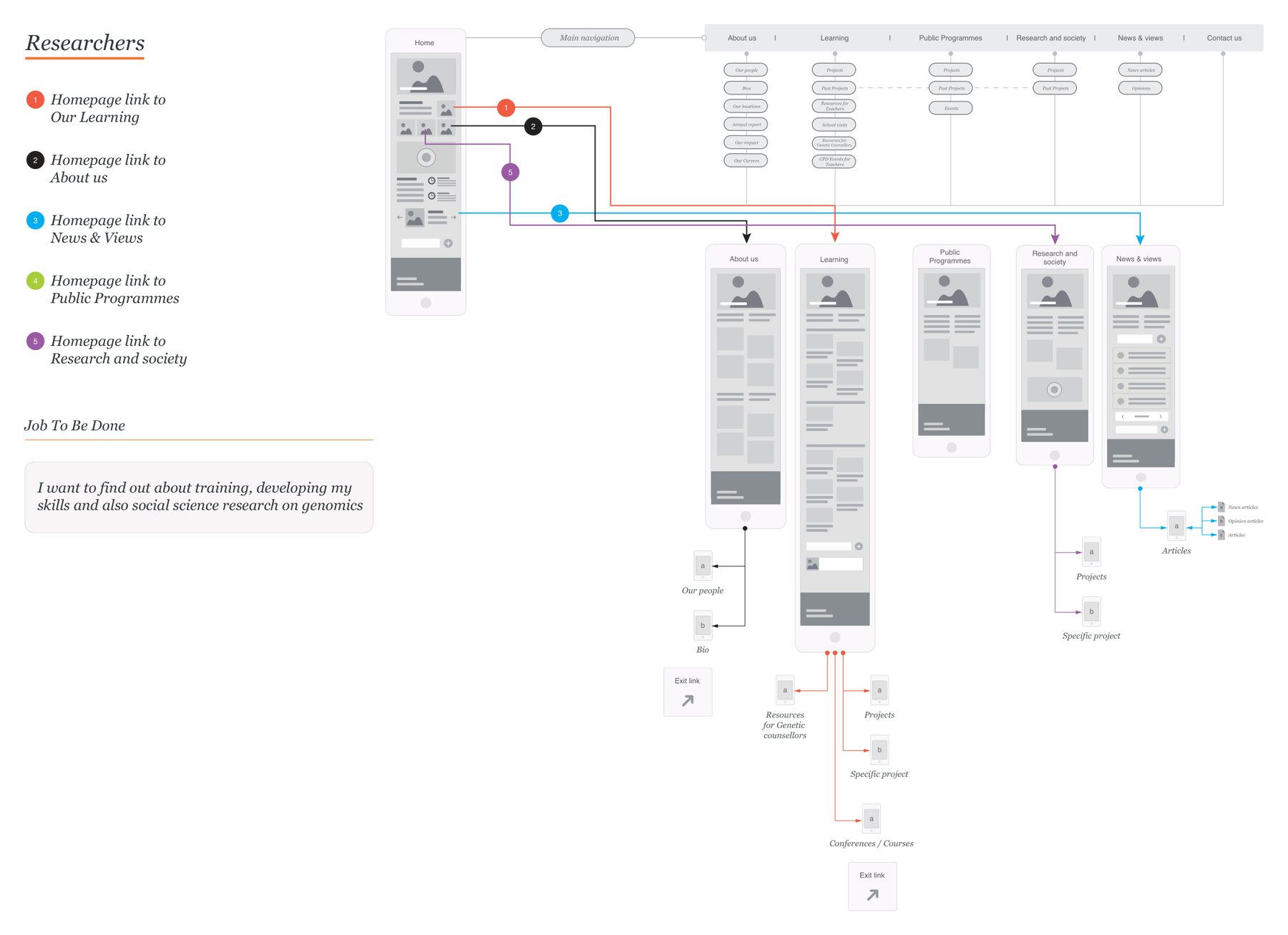 Wellcome Connecting ScienceUX workshops on its visitors’ habits and jobs to be done, then red routes and user journeys.
What a journey map shows you
We draw ours from interviews, so each step is something people told us rather than something we guessed.
- 01
Who is really choosing
Often more than one person: the buyer, the people who advise them and the people who sign off.
- 02
Where they look for answers
The places people go before they ever contact you. HCML’s intermediaries turn overwhelmingly to LinkedIn for credible content to share.
- 03
What tips the decision
The reasons people give for choosing one provider over another, in their own words.
- 04
Where they hesitate
The moments people slow down or stop, and what would help them take the next step.
- 05
What they want to hear, and when
How often to be in touch and what to say. HCML’s intermediaries wanted to hear from a provider all year round, not be bombarded.
- 06
What to change at each stage
Relevance and visibility when people first notice you, clarity and confidence while they compare, and trust when they decide.
Where the journey broke, and what we changed.
Staffline, the largest provider of blue collar recruitment in the UK, was finding it harder to source candidates to meet the peaks and troughs of demand.
Our first analysis showed where candidates were dropping away. They struggled to find jobs through search engines, then struggled to apply even when they did. A six week audit and workshops with clients and candidates followed. The new site put the candidate first, with a mobile first job search, a far quicker route through registration and application, and clear icons for finding jobs by sector.
Read the Staffline case study
Questions we are asked
What is customer journey mapping?
A picture of the route people take, from first noticing a need to choosing a provider, stage by stage. It shows what they do, think and feel at each step, where you are helping them and where you are losing them.
Who do you interview?
The people who choose you and the people who influence them. For Bush & Co that meant staff, case managers, expert witnesses, and the solicitors and insurers who choose them. For HCML, the intermediaries who recommend and buy corporate health services.
Can’t we just use our analytics?
Analytics shows what people do on your website. It can’t tell you why, or what happened before they arrived. So we set it beside what your team knows and what your customers tell us, because each fills gaps the others leave.
How long does it take, and what does it cost?
It depends on how many audiences you have and how many people we need to speak to. Some clients come to us for a defined project and others for ongoing support. The first conversation is a free 60 minute intro.

“I’ll be honest, plenty of agencies promise they’ll get to know your business. Ideate actually did it. They started with our customers rather than our logo, and the behavioural research they came back with told us things about how all our various customer groups choose a provider that we genuinely hadn’t seen before.”