Cambourne
Positioning and strategy, Branding and identity, Digital solutions, Marketing and visibility
We use cookies to understand how visitors use our website so we can improve it. We only set these with your consent. Cookie policy
Good advice is hard to show before someone has had it, so clients judge what they can see. We build the brand, the website and the marketing around how they choose.
Most advice on marketing for law firms starts with channels. We start with people, then work in our own order: get clear, build, then grow.
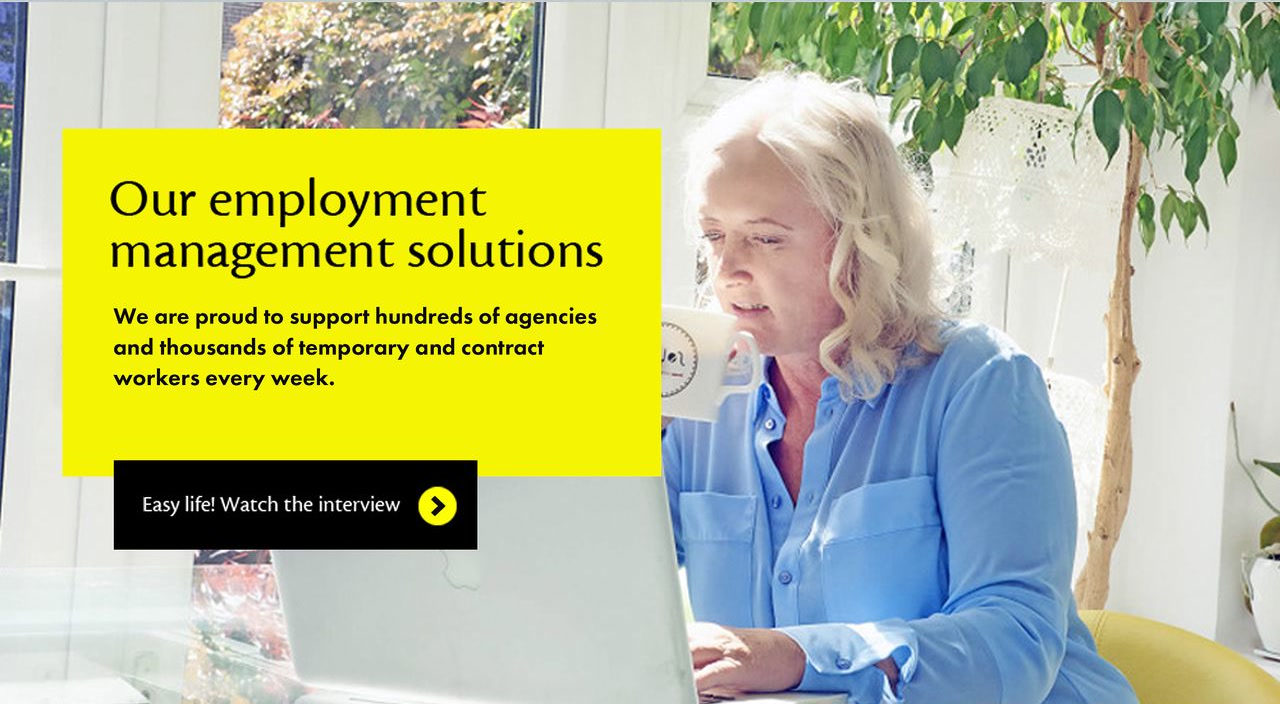
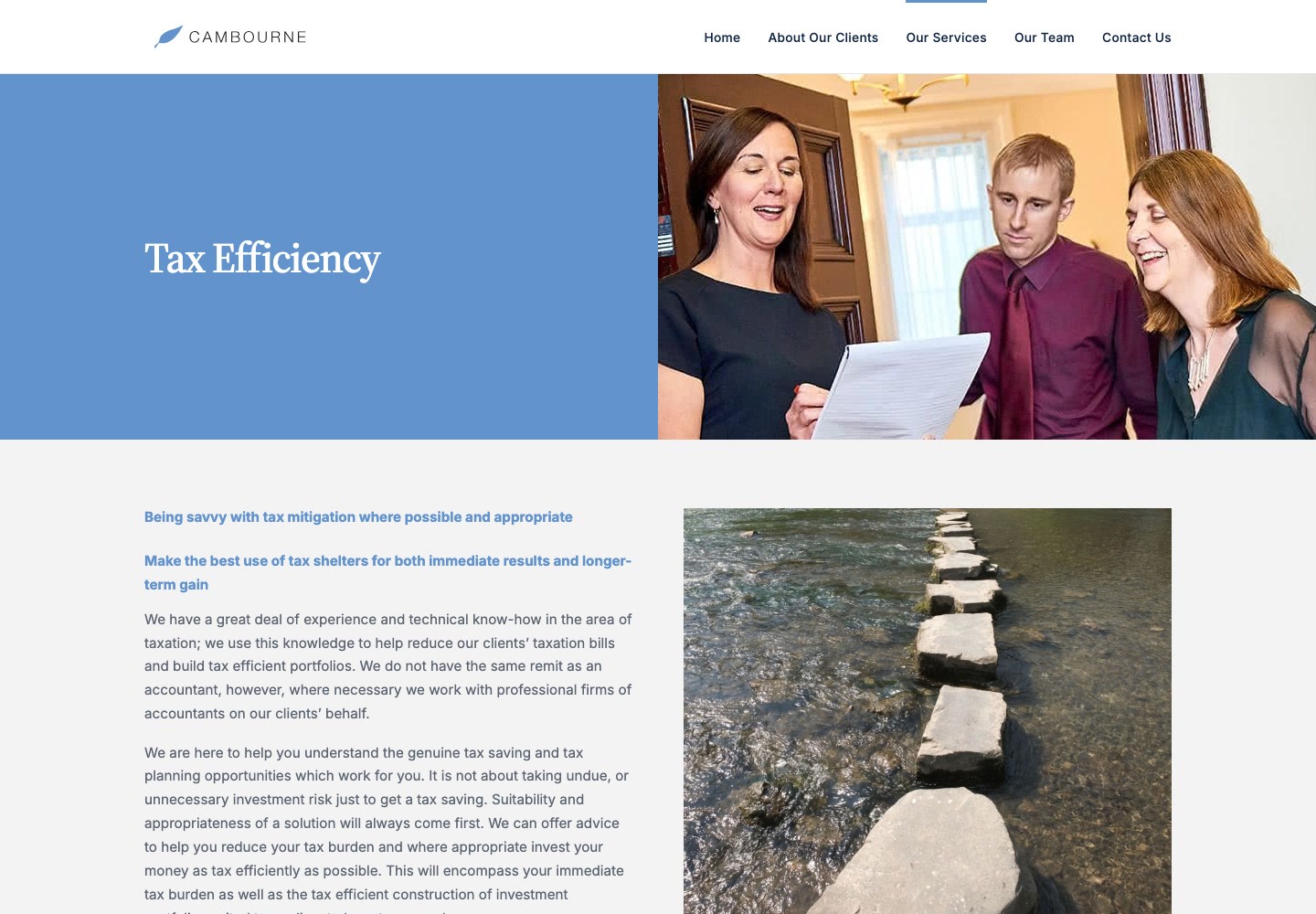
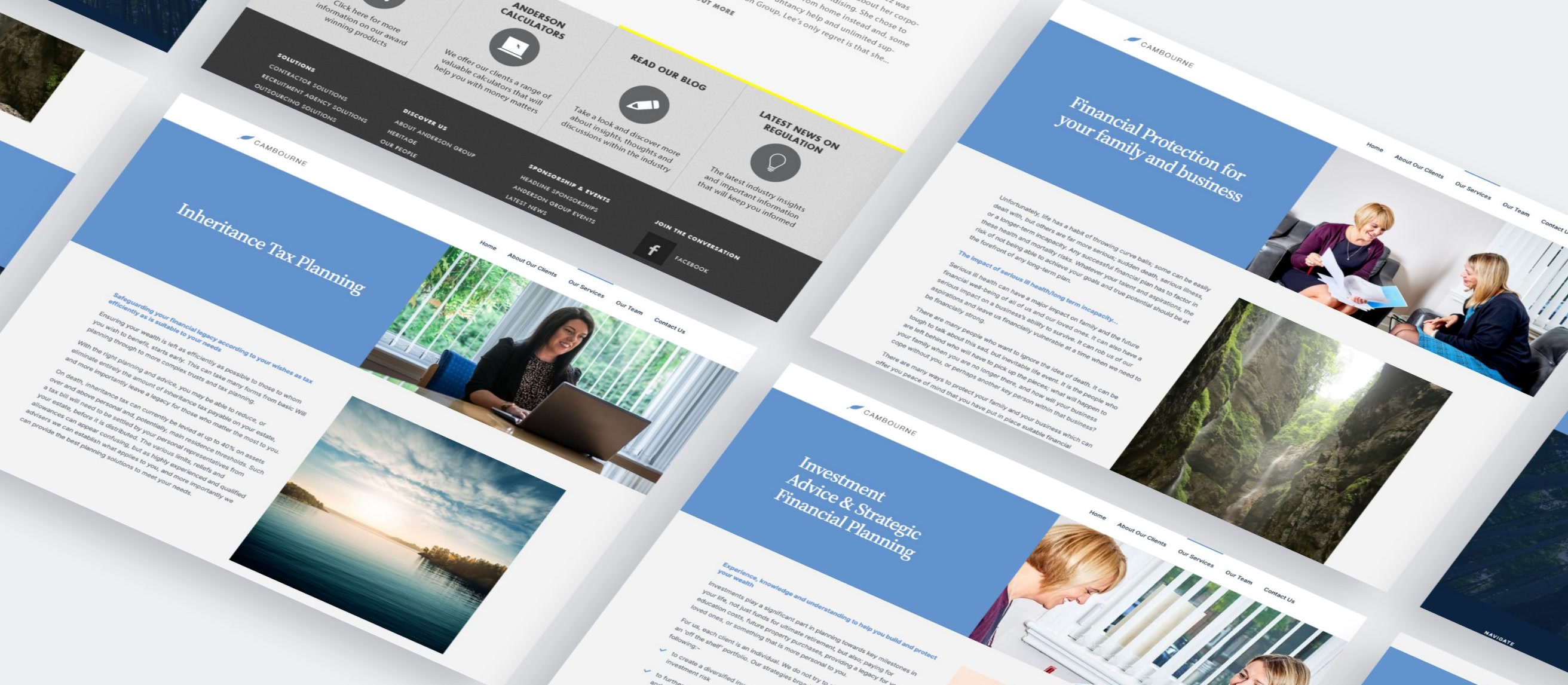
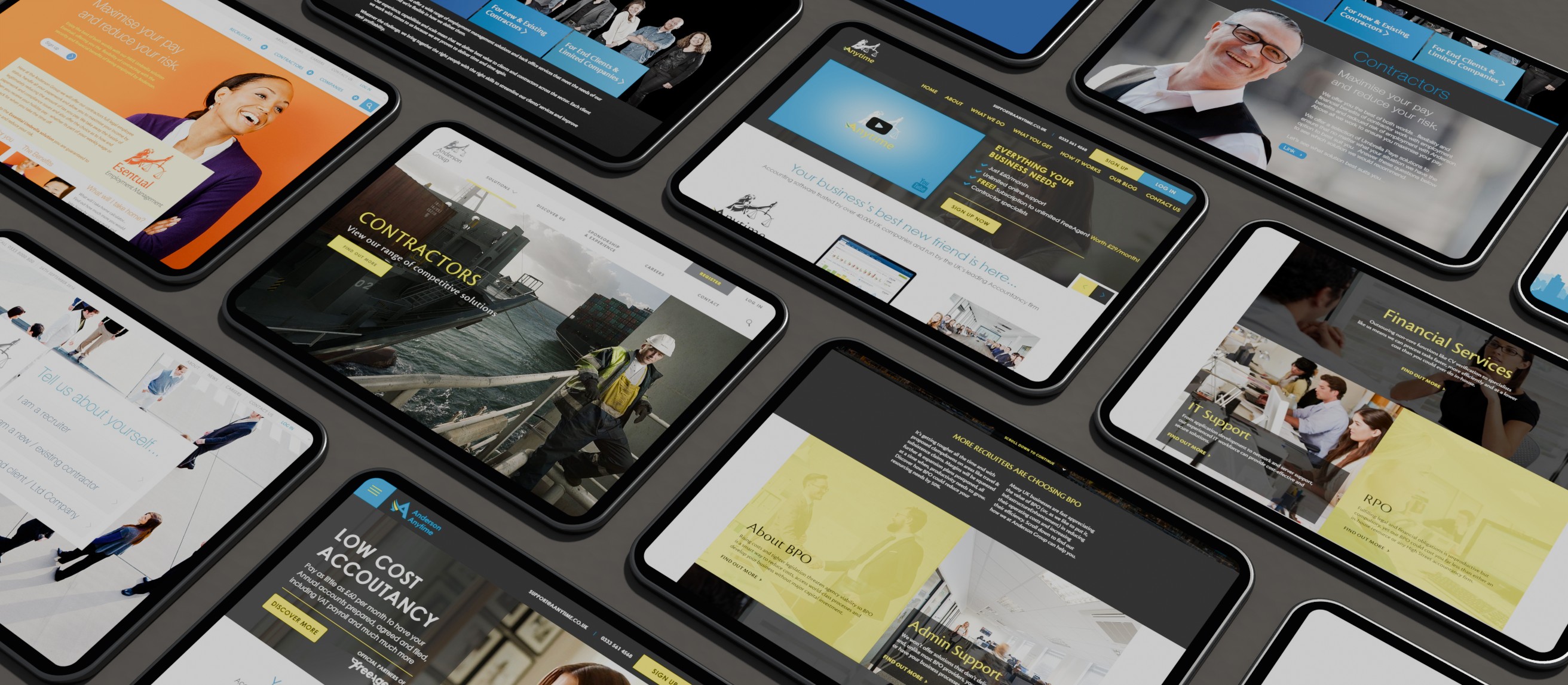
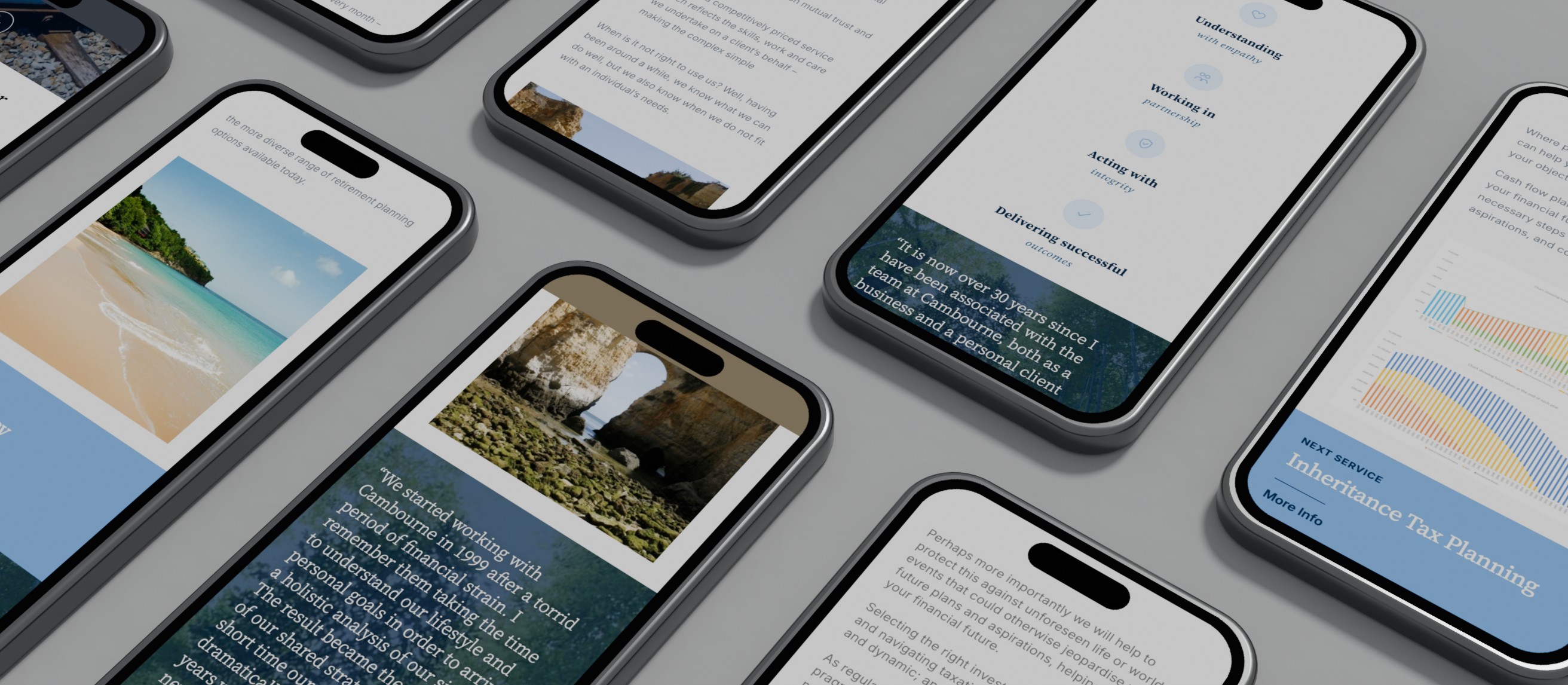
Our work includes a brand and website for Cambourne and one brand for the Anderson Group.


40+ years of combined experience: across brand, marketing, design and web and digital strategy. We know what good work looks like.
Listen first: What the partners tell us, what the data shows, and what your clients and staff say when we interview them.
Get clear on what you’re known for: Choose the practice areas and clients you want more of, then say simply why someone should pick you for them.
Build what people check: People look you up first, on your website, your Google Business Profile, legal directories and reviews. Each should tell the same story.
Grow, and count what comes in: Put the effort where your clients look, from search to LinkedIn and AI answers, and trace each enquiry to its source.
Positioning and strategy, Branding and identity, Digital solutions, Marketing and visibility
Branding and identity, Digital solutions
 Barry Roback
“The quality, inventiveness and attention to detail run through everything Ideate has done for us. … The website is a real standout.”
Read the Anderson Group case study
Read your own site as a new client would, on a phone as well as a desktop.

If the answer to any of those is no, that’s where we’d start. Every question your site leaves open is one a new client would have to ring you to ask.
When an offer is difficult to explain, the cause usually sits upstream of the marketing, so we start by defining where you compete and testing it against how your buyers really decide.
A brand has to carry the weight of the business behind it, often in conversations you are not part of, so we build identities that signal the right level of expertise wherever a buyer forms a view of you.
For many buyers the website is where a shortlist is decided, so we plan every page around the questions they arrive with and the doubts that slow them down.
More activity rarely moves the numbers that matter, so we set the commercial priorities first and build the content and search programme that keeps you visible across a long sales cycle.
Yes, we design websites for organisations of every kind. The closest to a law firm’s in our published work are Cambourne’s and the Anderson Group’s, above.
Much as your clients choose you. Look at work for organisations like yours, and meet the people who would actually do yours: here, that’s Simon and Hayley. Ask how they’ll know the work is right before it goes live. And be wary of guarantees, because nobody controls who searches or who calls.
There’s no accountancy firm in our published work, so we won’t claim one. The nearest is the Anderson Group, where the job was to make payroll, outsourcing and accountancy services clear to people with little time or interest in the subject.
It’s one of the situations we’re often brought in for. We look at the decision from their side: what they need to understand, what might make them hesitate and what would give them confidence. That shapes the website, sales tools and marketing they see.








One question, asked honestly of every page, email and post, does more than any framework. What it asks, why so much marketing fails it, and how to use it.
Simon Baghomian · 9 October 2026 · 7 min read

Logos and star ratings signal popularity. Proof that persuades settles a specific fear, from someone like the reader, at the moment they hesitate.
Simon Baghomian · 9 October 2026 · 8 min read

People don’t buy what you are. They hire you to make progress on something. What the jobs-to-be-done lens is, how to find the real job, and what it changes.
Simon Baghomian · 9 October 2026 · 8 min read