Copywriting and content strategy that make your offer easier to understand
If the offer is strong but the words aren’t doing it justice, more content won’t fix it. We work out what your audience needs to understand, settle the message, then write the website copy, articles and campaign material that carry it.
Our experience
We are often brought in when the offer is strong but the way it’s explained gets in the way.
Copy and content we’ve made includes work for HCML, Staffline, Anderson Group and water2business.

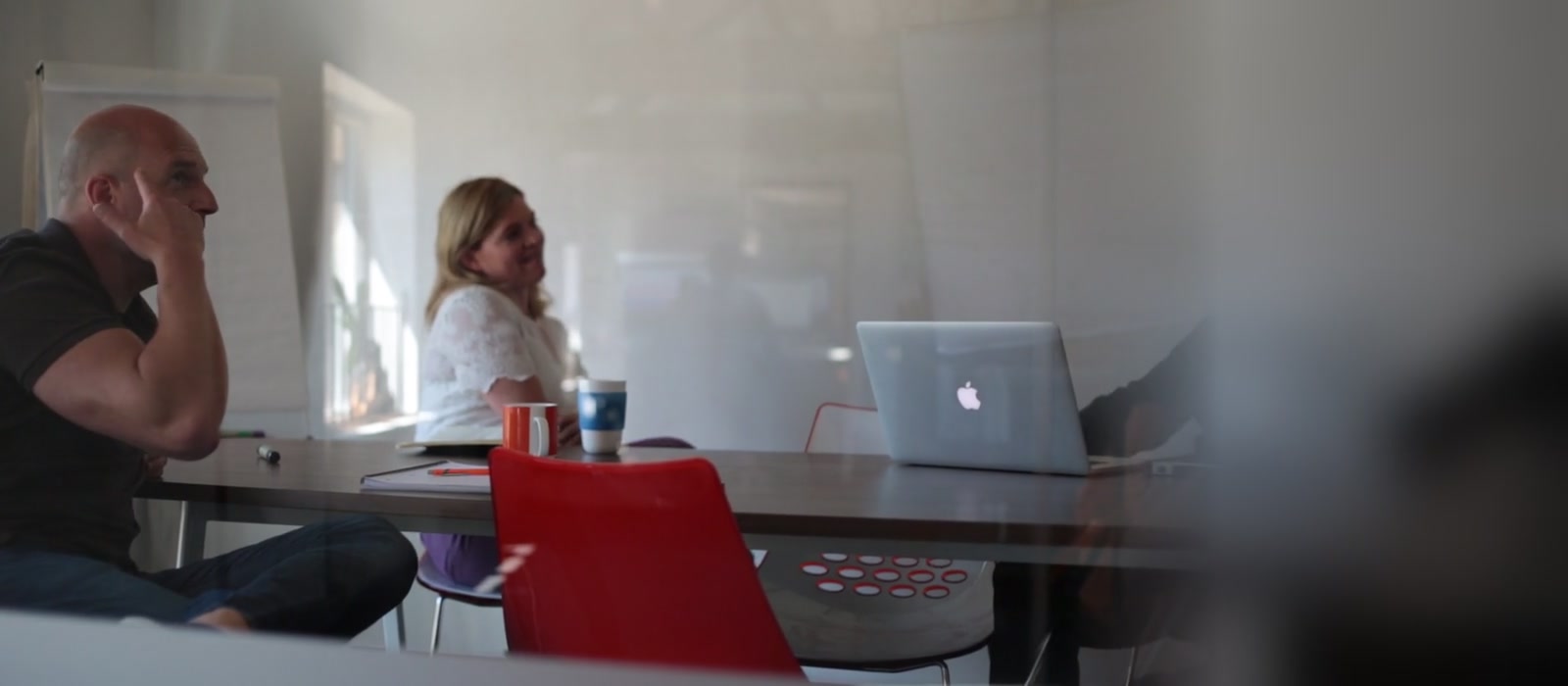

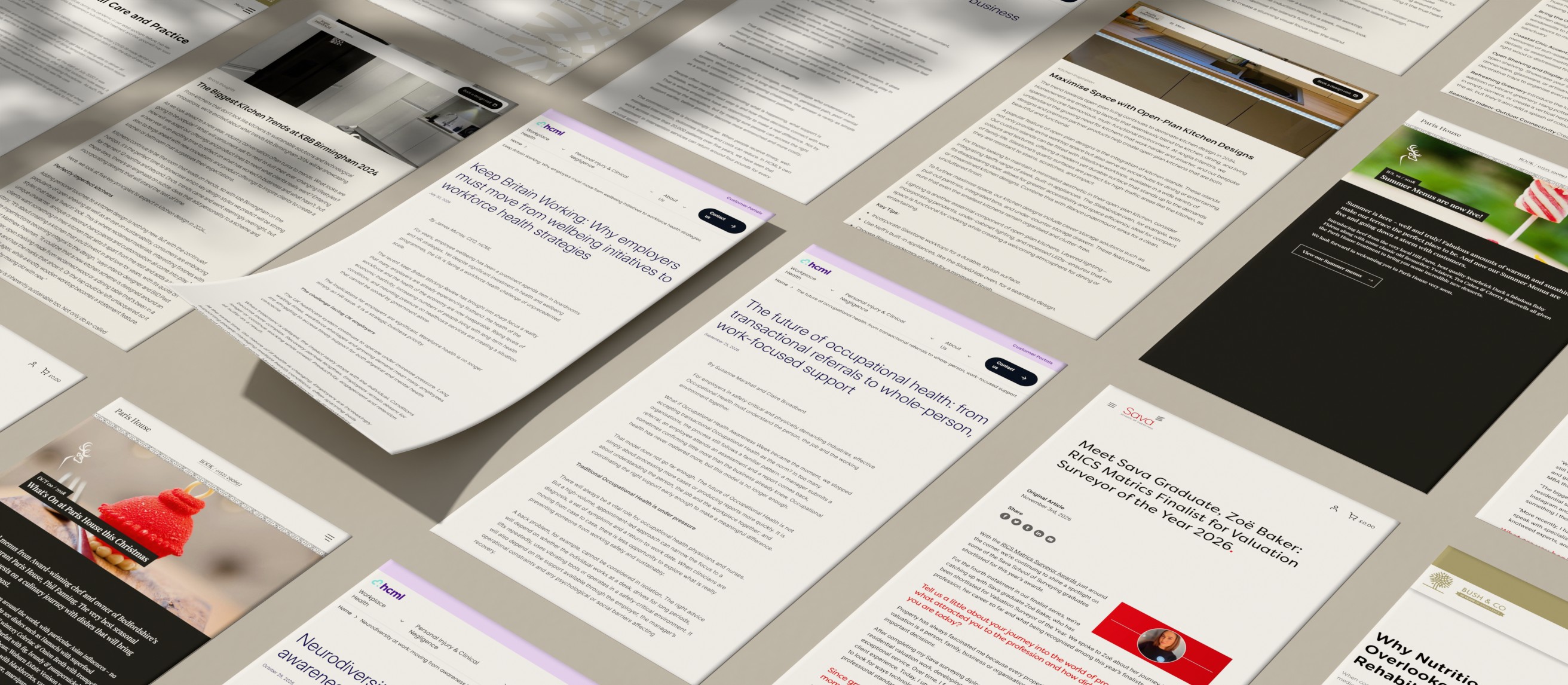
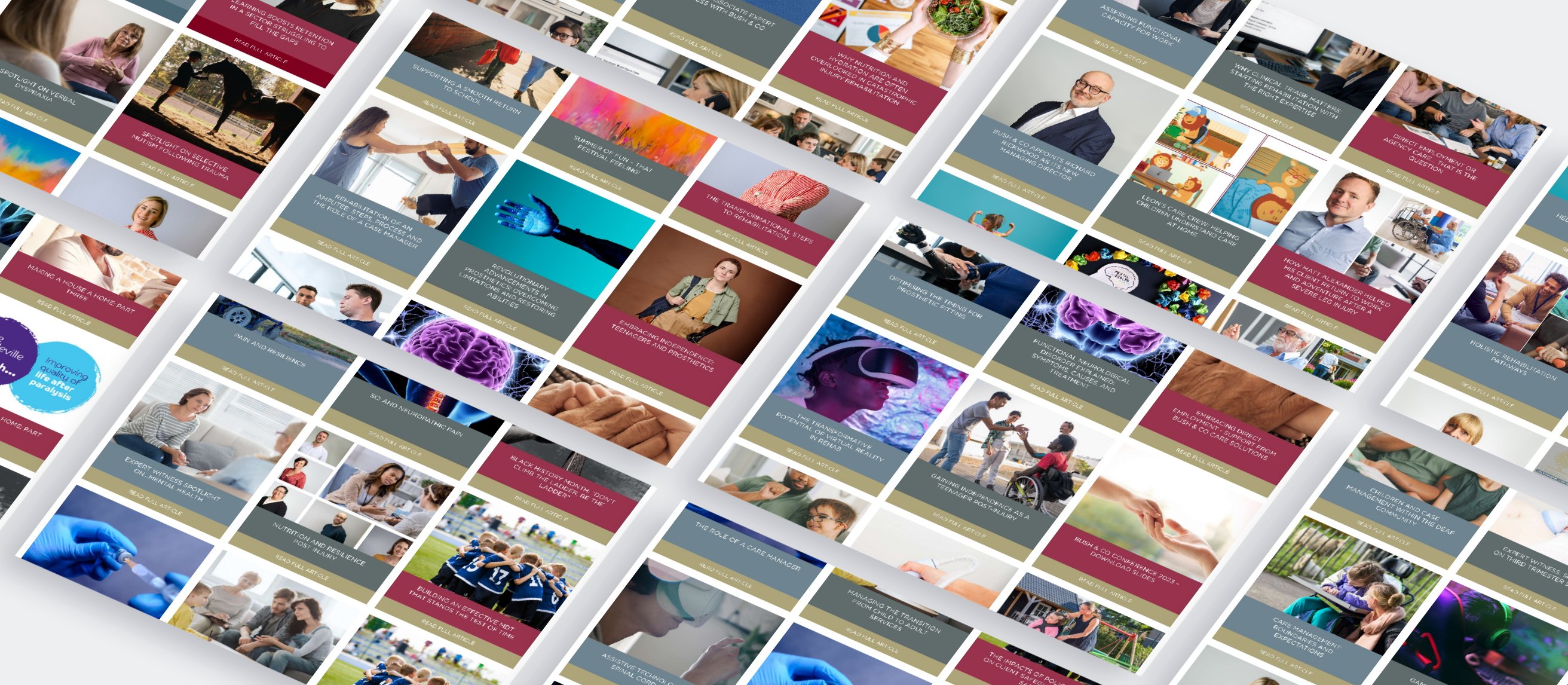
The thinking first: The thinking comes before the writing, so the words have something clear to say.
Listen first: We talk to your team and the people you want to reach: what they need to understand and what makes them hesitate.
Settle the message: We agree what you do, who it’s for and why it matters, and set it down in a messaging framework.
Write it: Website copy, articles, case studies, emails and LinkedIn content, all written to the same message and in your voice.
Plan, publish and refine: A content calendar that keeps you in front of your audience all year round. We report on what’s working and adjust.
Copy and content we’ve made
 HCMLA year of content and communications: a LinkedIn calendar, email programmes, landing pages and lived experience stories.
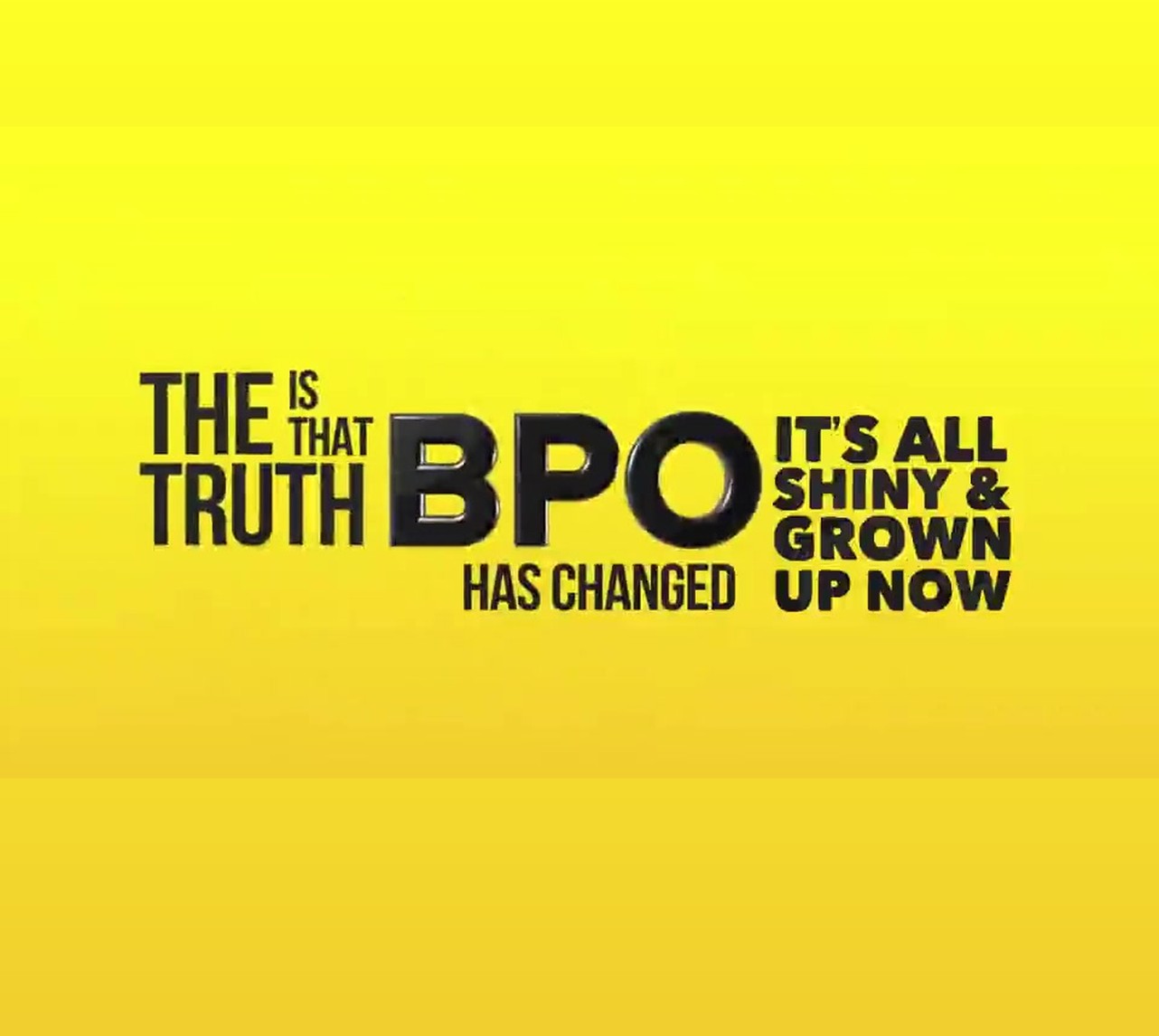 Anderson GroupSuccinct messaging for a busy audience, then films, case studies and animations to debunk the myths of outsourcing.
 StafflineThe content for launch of a candidate-first website: rich media, film, photography and copywriting.
Signs the words are holding you back
It tends to show up like this.
- 01
The message changes with the messenger
The website, the deck and the sales team each explain the offer a little differently. A messaging framework gives everyone the same words.
- 02
Only a few people can explain it
When sales conversations lean on a few people, your website and sales material need to do more of the explaining.
- 03
The website looks right but says too little
Visitors can’t tell quickly what you do, who it’s for and why it matters. We write the site around what they need to understand.
- 04
Content without a direction
A content strategy ties each piece to the people you most need to reach and the decision you want them to make.
- 05
Expertise that stays in people’s heads
Thought leadership turns specialist knowledge into articles, white papers and events your audience can understand, trust and pass on.
- 06
Search doesn’t find you
We plan search-led content with the message, so the pages people find say the right thing.
From a confusing new market to the place people go for answers.
When the water market opened up, businesses could choose their supplier for the first time and faced a confusing new landscape. water2business needed to be the voice that explained it.
We created an info hub with balanced, objective information on the changes and what they could mean for each business. We ran sustainability seminars with business leaders across the South West. The press releases and articles were picked up in local and trade press, and the discussion points became a well-received white paper. Editorial, films and infographics explained the issues sector by sector.
Read the water2business case study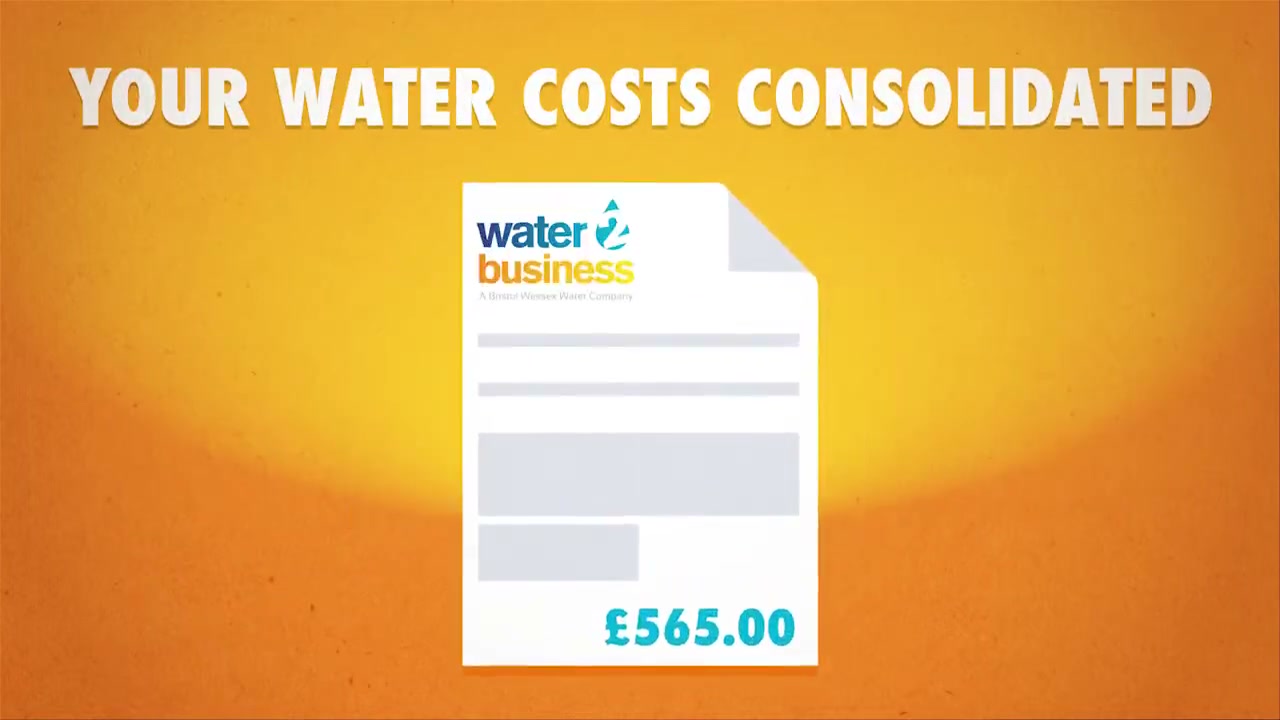
Questions we are asked
Do you write the copy, or only plan the content?
Both. We can shape the strategy and the messaging, then write the content that puts it into the market: website copy, articles, emails, LinkedIn content and campaign material. The people who understand the strategy are involved in the work too, so nothing gets lost between teams.
Can you write in our voice?
Yes. Copy should sound like you, not like us. When other people need to use that voice too, we write it down. For Table Tennis England’s Loop initiative, our toolkits gave ambassadors guidance on key messaging and tone of voice.
Can you work with our in-house team?
Yes. We often work with marketing teams, sales teams and subject-matter experts. Sometimes we do the writing. Sometimes we set the message and the templates so your team can carry on. For Sayfa Systems we made templates for brochureware, case studies, e-shots and newsletters, so they could get on with their own marketing.
Do you work on projects or retainers, and what does it cost?
Both. Some clients come to us for a defined project, such as a messaging framework or a website. Others work with us on an ongoing basis for content planning, campaigns and optimisation. The right model, and the cost, depend on what you need and how much support it takes. We can talk it through in a free 60 minute Intro with Ideate.
“We use AI to support research, and it can help shape messaging routes and test content ideas. It isn’t a replacement for strategic thinking or creative judgement.”