Human-centred design starts with people, not assumptions
Most brands, websites and campaigns are built around what a business wants to say. Human-centred design turns that round. You start with the people who buy and use what you make, find out how they really decide, and design around that.
The human-centred design process
Four stages, in this order. Skipping the first is the most common mistake, and the most expensive.
Work we have planned around the people who use it includes Wellcome Connecting Science, Bush & Co, Wessex Water and the NHS and RFU.
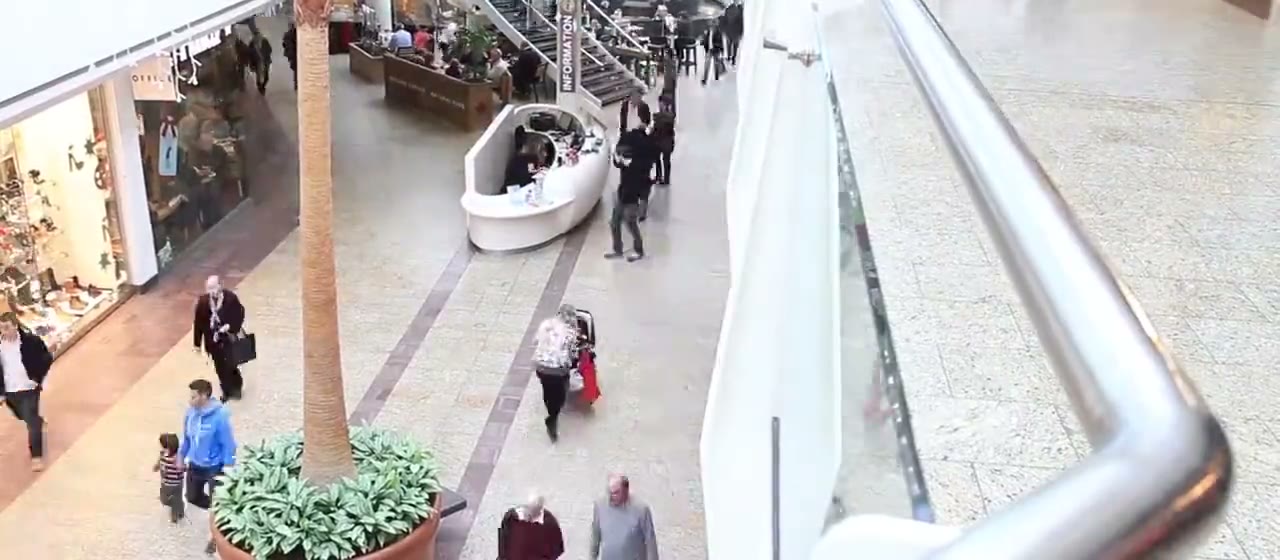


Start with people: Human-centred design sits underneath everything we make, from a brand to a website to a campaign.
Understand: Talk to the people who buy, use and influence. Watch what they do, not only what they say.
Define: Pin down the real problem and the real reason people choose, in plain words everyone can agree on.
Make and test: Shape ideas around what you learned, then put them in front of real people early, while change is still cheap.
Learn: Once it’s live, measure what people actually do and keep improving. The work is never finished on launch day.
Planned around the people who use it
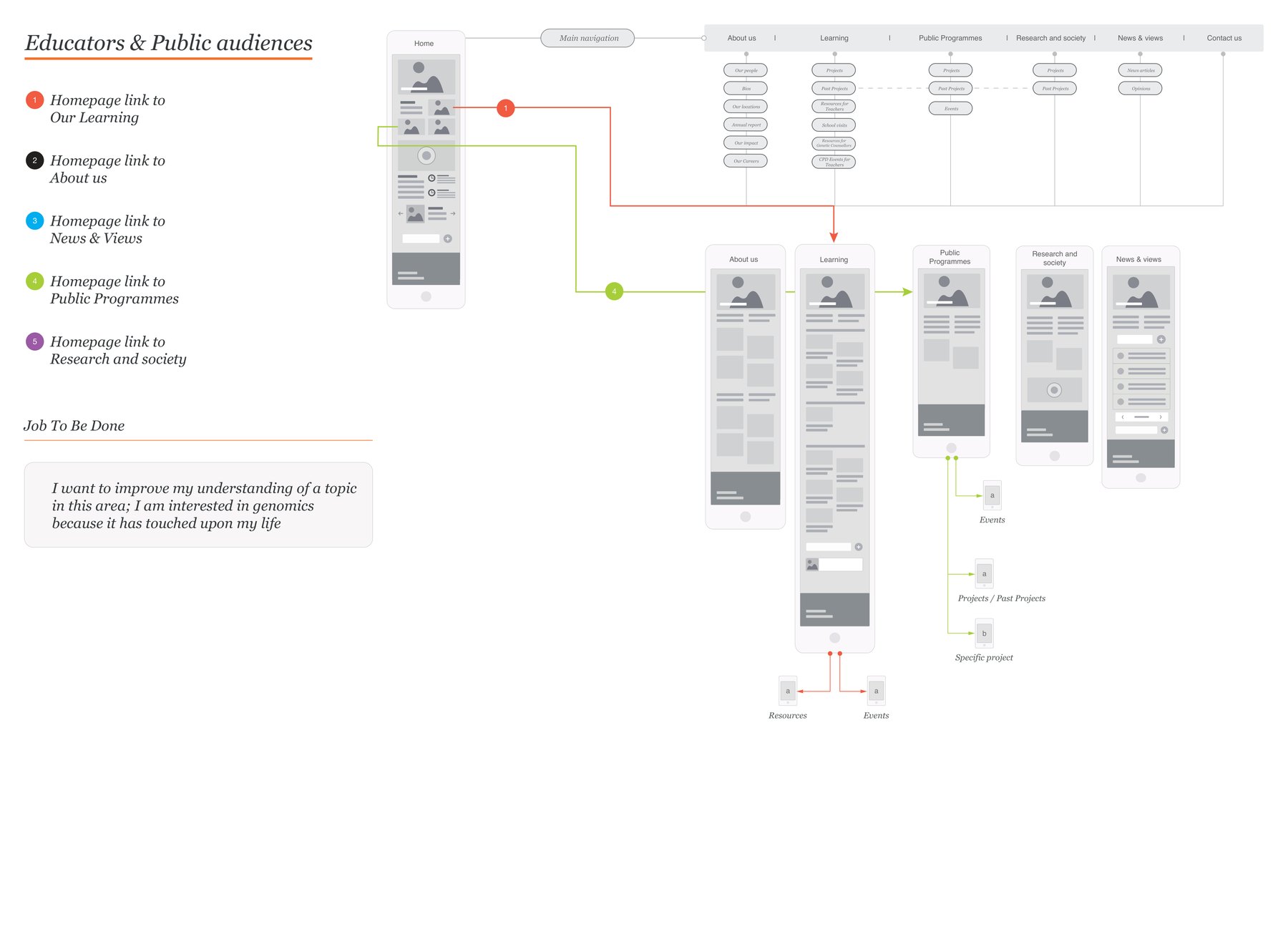 Wellcome Connecting ScienceUX workshops on its visitors’ habits and jobs to be done, then a sitemap, page layouts and red routes.
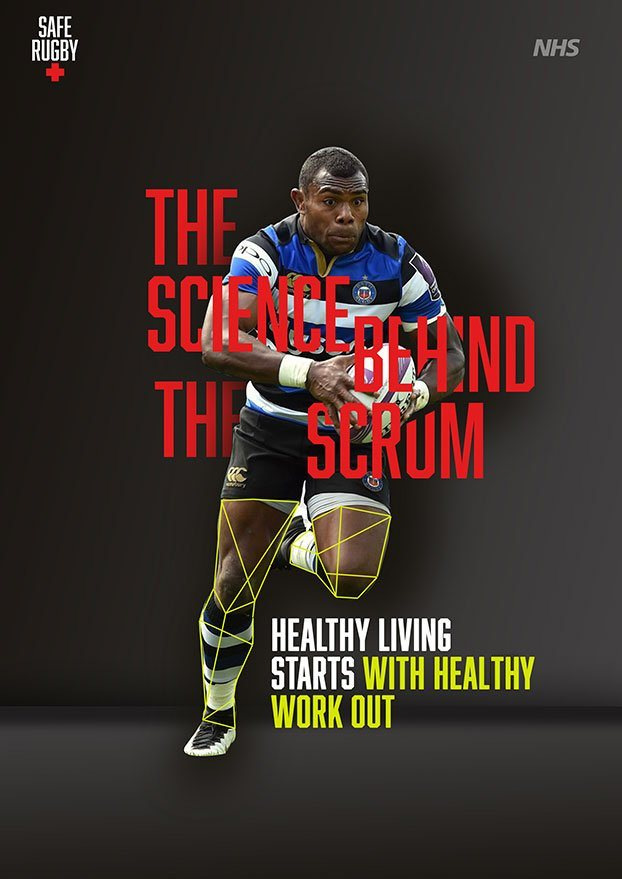 NHS and RFUAn e-learning package and portal for the referees and medical staff at clubs across the UK.
 Wessex WaterDesign ideations and iterations that helped Wessex understand how to better communicate with their customers.
Why it matters for your organisation
Whether people buy for a business, for themselves or give to a cause, they rarely decide on features alone. Designing around the people involved is how a strong offer gets understood.
- 01
Several people decide
Buyers, users and the people who advise them all have a say. Each needs a reason to say yes.
- 02
One clear reason
Research finds the reason people choose you, so the whole business can say the same thing.
- 03
Their words, not yours
Copy written in the language customers use is easier to find and easier to trust.
- 04
Fewer expensive guesses
Testing early means less rebuilding later, and fewer decisions made on opinion.
- 05
Better results
A website and marketing built around real behaviour turn more of the right visitors into enquiries.
- 06
AI where it helps
AI-supported research helps us explore markets faster. The judgement stays human.
Three things kept coming up.
We interviewed the solicitors and insurers who choose Bush & Co, asking how and why they used the service and what made them pick Bush over others.
Three things kept coming up. The case managers were the relationship. Finding a consultant had to be simple, and solicitors searched by geography first. And solicitors were cautious, so they needed a push to try someone new.
That changed the website: we built a consultant finder around a visual map.
Read the Bush & Co case studyQuestions about human-centred design
What is human-centred design?
Human-centred design is a way of solving problems that starts with the people affected by them. You research how they think, behave and decide, shape ideas around what you learn, test those ideas with real people, and keep improving. The answer comes from evidence about people, not from taste or habit.
Is it the same as user-centred design?
You’ll also hear it called user-centred design. The two are close cousins: user-centred design usually focuses on the person using a product or website, while human-centred design looks wider, at everyone who influences a decision, including the people who never touch the product but still have a say.
How do you use it?
We start by understanding the business, the audience and the decision you need people to make. Every brand, website or piece of content then has a job to do, and we shape it around how people think, search, compare, trust and choose.
Where do most clients begin?
If you want to see the whole process, it’s set out on our How we work page, and our marketing consultancy is where most clients begin.
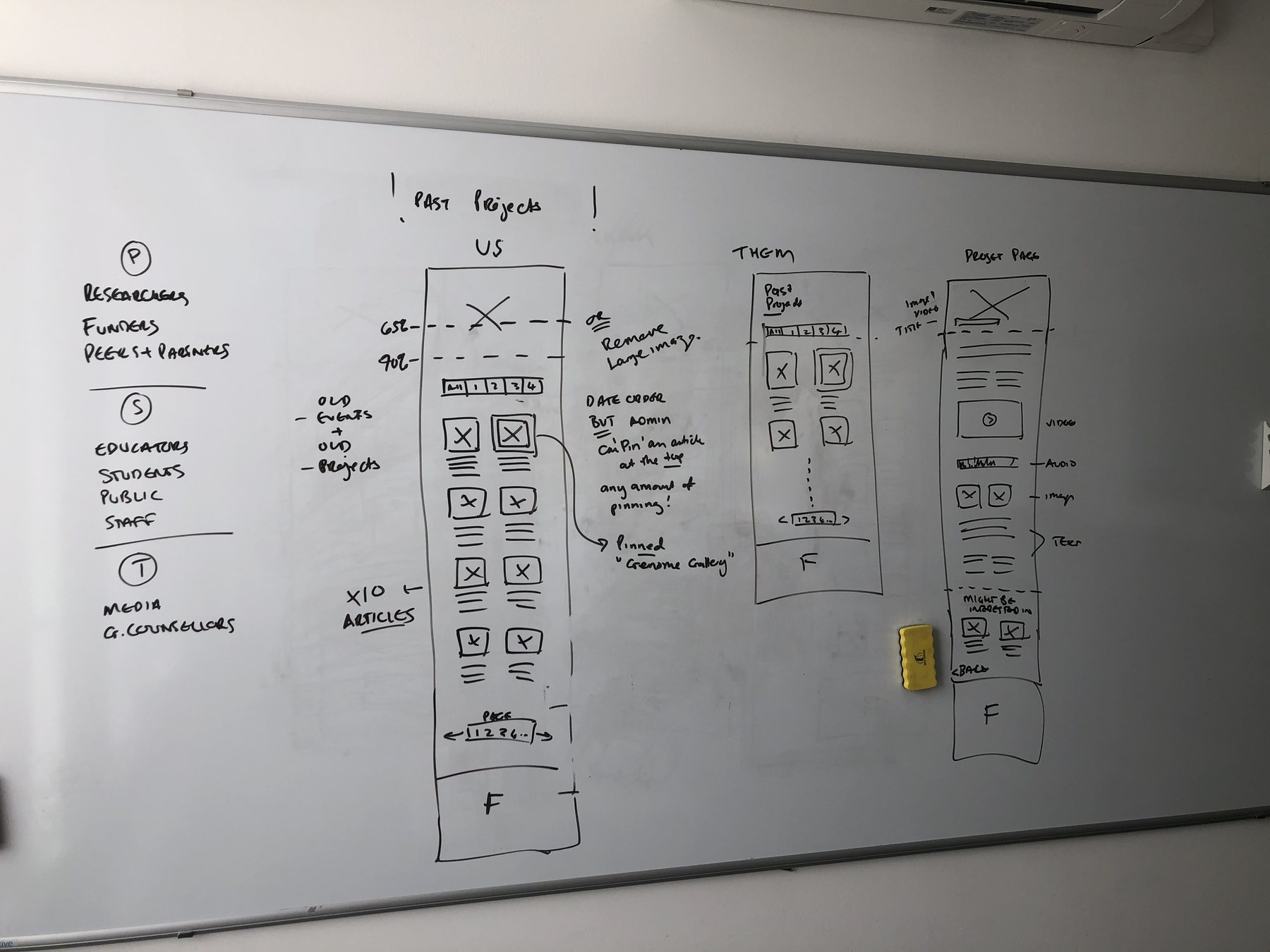
“We helped Wellcome Connecting Science plan their website around researchers, educators and the public. In a series of workshops we worked out what each of them comes to do, and drew it up as a sitemap, wireframes and red routes. The whole thing fascinated me.”