Customer research, because the answer is usually with the people who choose you
Most marketing is built on what a business wants to say, not on why its customers act. Our customer research starts with interviews. AI helps us read everything they say. The judgement stays human.
How the research runs
People talk to people. AI helps read what they say. We decide what it means.
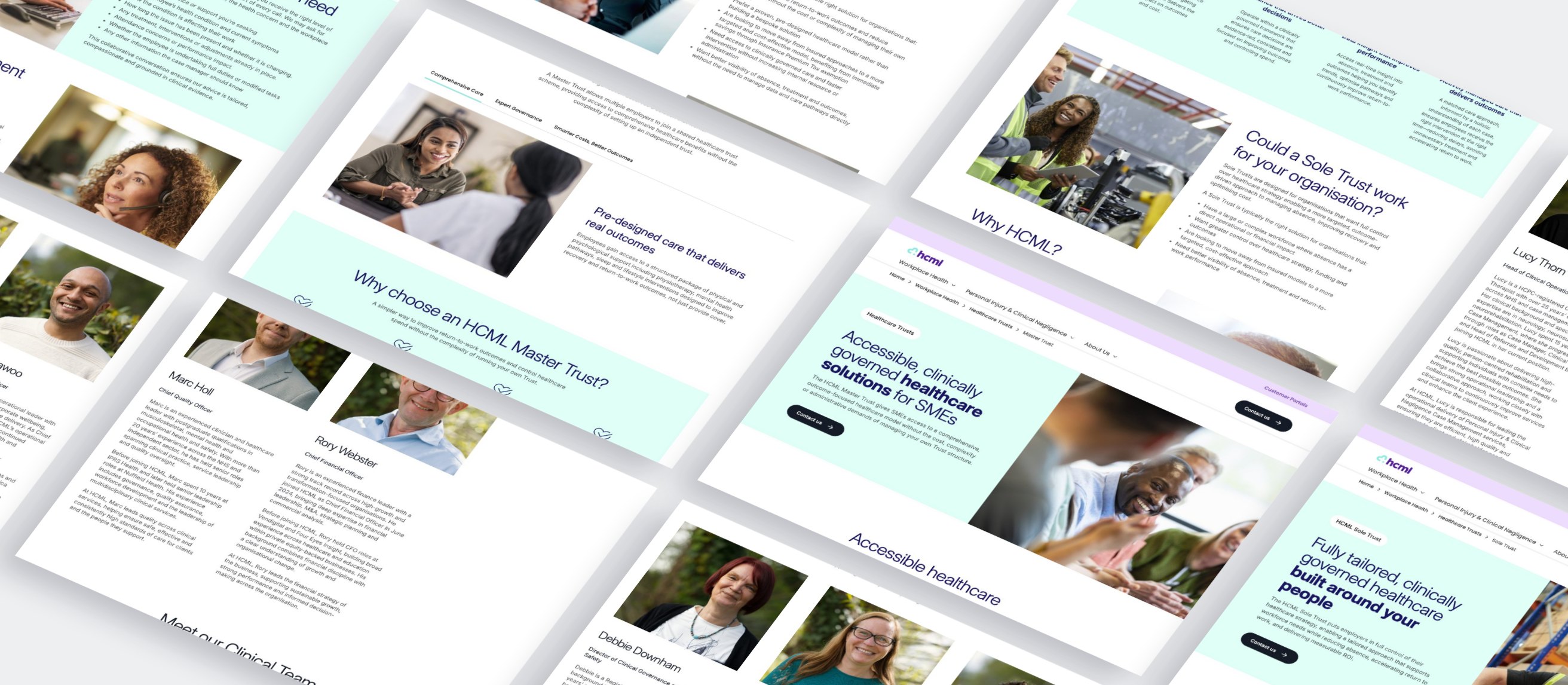
Research-led work includes Staffline, Cambourne, HCML and Wellcome Connecting Science.



Plan: We agree with you who to talk to, what to ask and what the research needs to settle.
Talk: We interview your customers, your team and the people who influence the choice, and run workshops where a group will help.
Read: AI helps us read every interview side by side and points to patterns. We test each one against what was said.
Reason: We pin down the reason people choose you and the things that stop them, in a sentence the whole business can use.
Build: That reason shapes the brand, the website and the marketing.
What listening changed
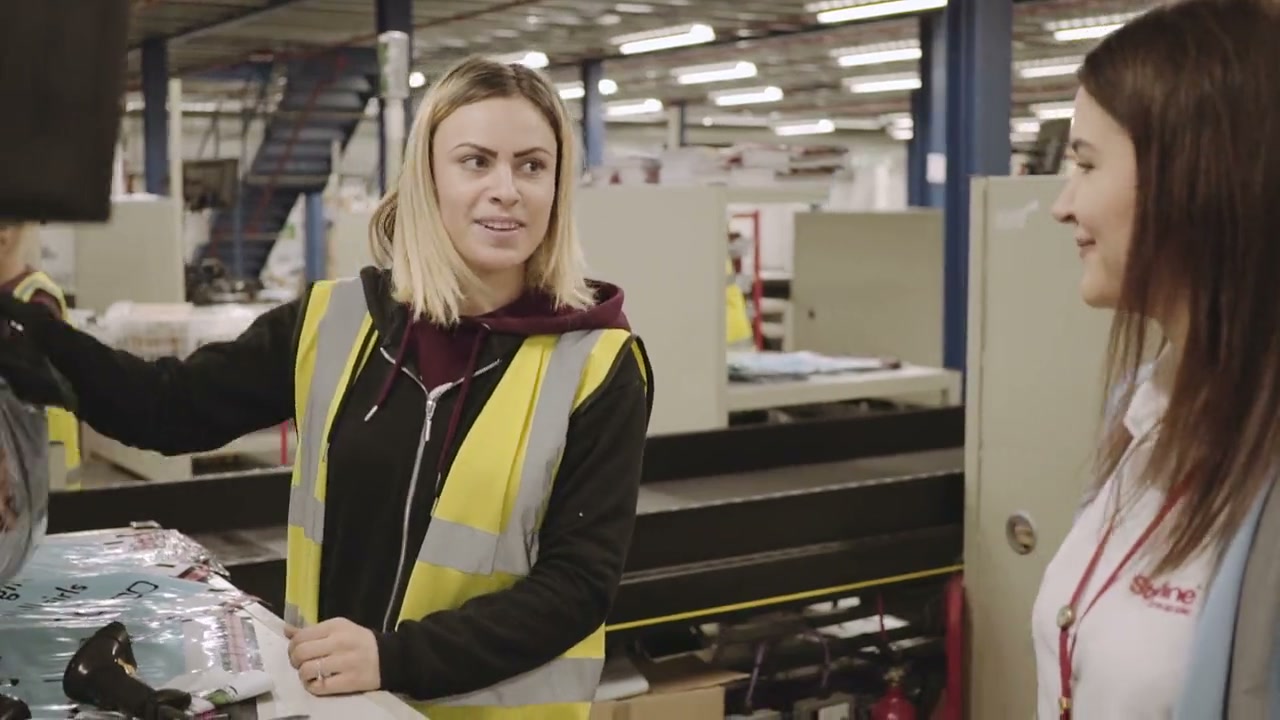 StafflineClient and candidate workshops gave us a strong steer, and the result was a job search built around the candidate.
 CambourneSeveral workshops and a client survey gave a clear understanding of what the company stood for and how its clients saw it.
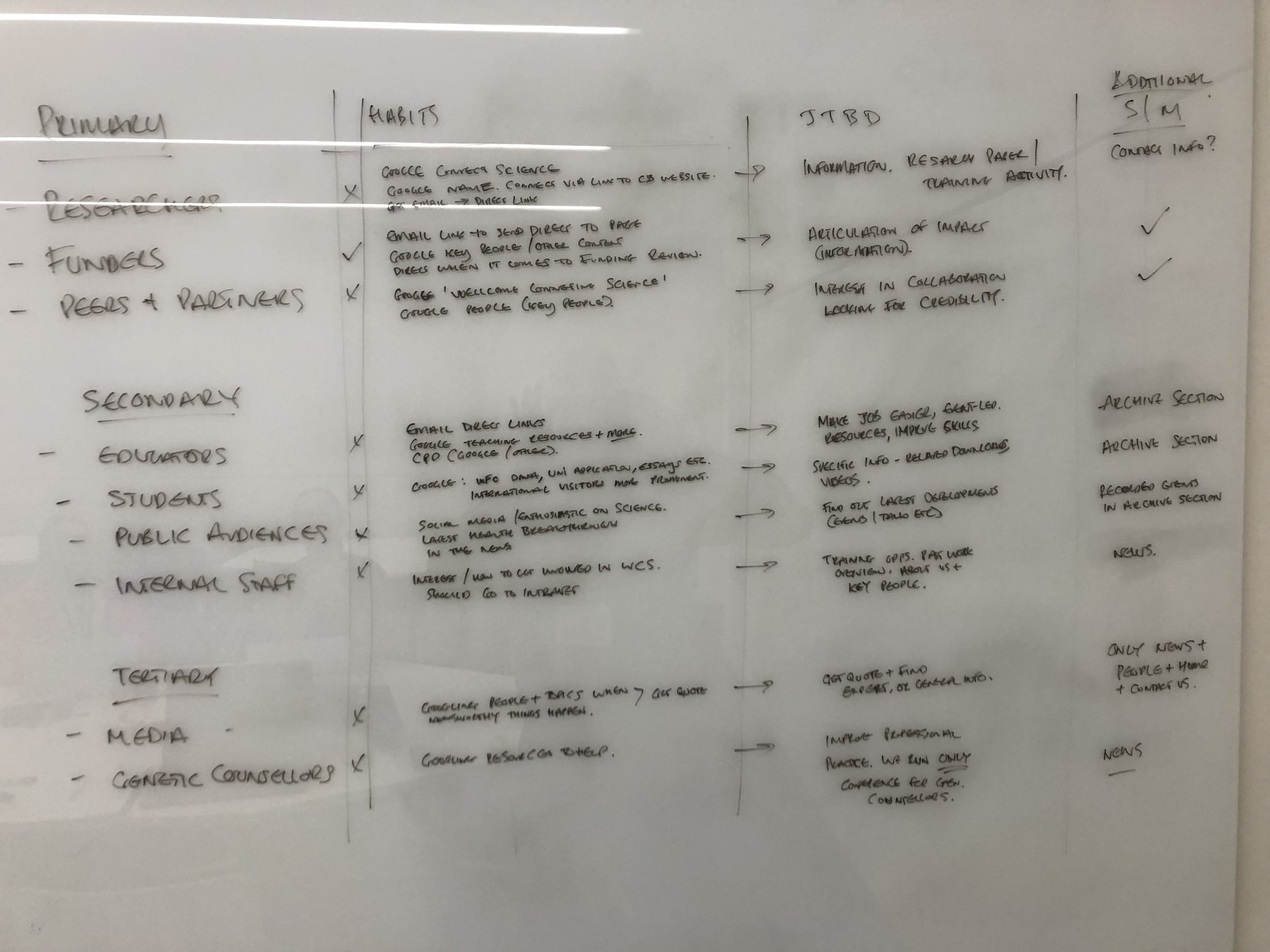 Wellcome Connecting ScienceFor each audience we looked at their existing habits, then framed each task as a single job to be done.
What customer research covers
What you tell us, what the data shows and what your customers say, read together. That way the answer comes from evidence rather than our taste.
- 01
Interviews
One-to-one conversations with your customers and the people who influence them: how they choose, what worries them and what gets in the way.
- 02
Workshops
Sessions with your team, and with customers where it helps, as we ran with Staffline’s clients and candidates.
- 03
Surveys and data
A survey where numbers help, read beside your Search Console and Google Analytics figures, so what people say is checked against what they do.
- 04
Reading at scale
Every interview, note and survey answer read together with AI’s help, so a pattern that runs through many conversations isn’t missed.
- 05
The journey, mapped
Where it helps, the steps people take from first search to decision, and the places they get stuck.
What HCML’s intermediaries told us.
We interviewed the intermediaries who recommend and buy HCML’s corporate health services.
Relationships were everything, and they relied on suppliers to deliver. They hunted for credible content to share onward, and turned overwhelmingly to LinkedIn to find it. They wanted to hear from a provider all year round rather than be bombarded. That shaped a year of content and communications, two generations of website and a case manager finder.
Read the HCML case studyQuestions we are asked
Is AI market research enough on its own?
No. AI can read what people have written and said, and it reads a lot. It can’t sit with a buyer and notice the hesitation before an answer. People talk to people, and the judgement stays human.
How many people do you need to talk to?
It depends on how many kinds of people shape the choice. For Bush & Co it was four groups: staff, case managers, expert witnesses, and the solicitors and insurers who choose them.
Why use a market research agency rather than ask ourselves?
It’s worth talking to your customers yourself as well. An outside team brings a method: who to ask, what to ask, and how to read the answers without hoping for a particular one.
Do you work with charities and the public sector?
Yes, and with businesses of every kind. A donor checking where their money goes and a family planning a big purchase ask questions first, just as a business does when it buys from another. The people choosing are always the ones to ask.

“Their ‘human centred approach’ was simply genius and we often had lightbulb moments working with them.”