Behavioural design builds marketing around how people really decide
People don’t weigh every option carefully. They skim, compare, look for reassurance and take the easiest next step. Behavioural design uses what we know about that to make your brand, website and marketing clearer and easier to say yes to.
How we use it
We use behavioural insight to understand what people notice and act on. It shapes the work at every stage.
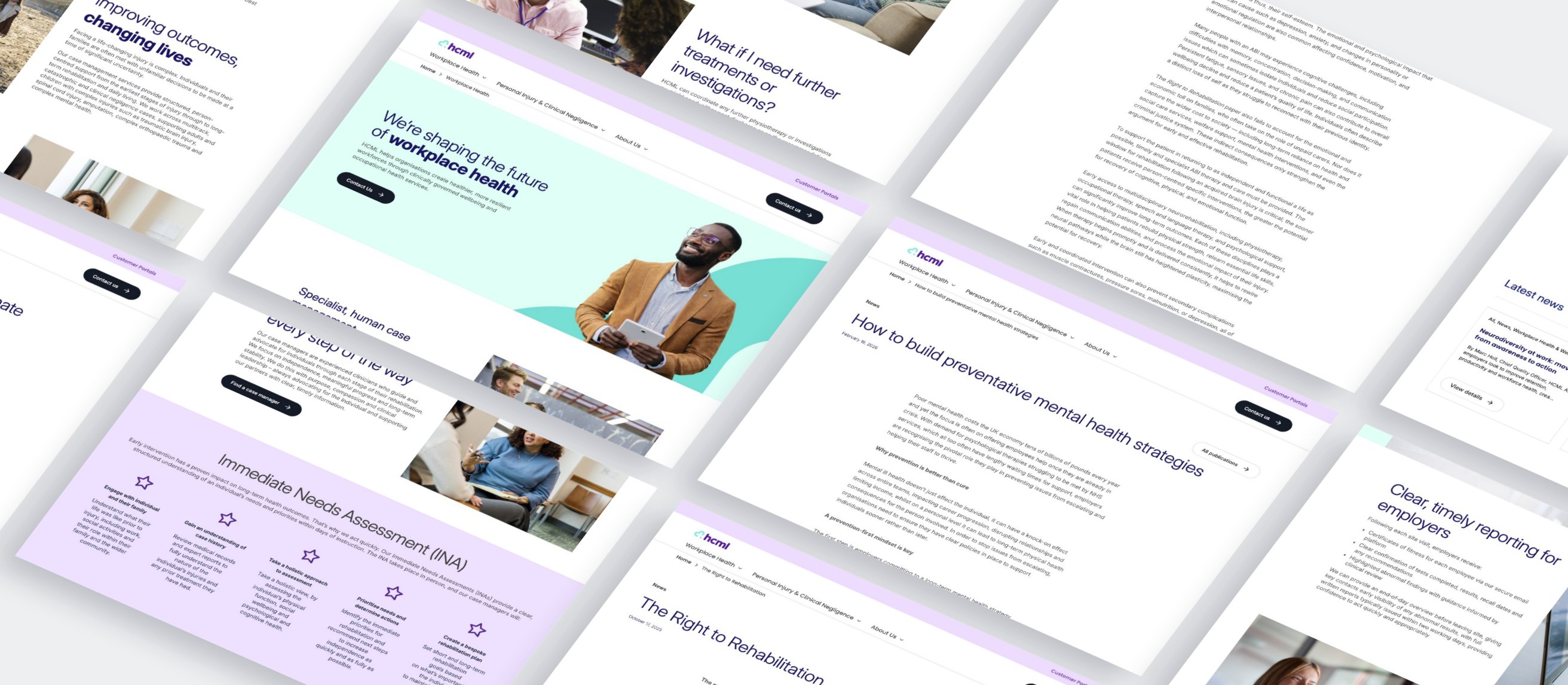
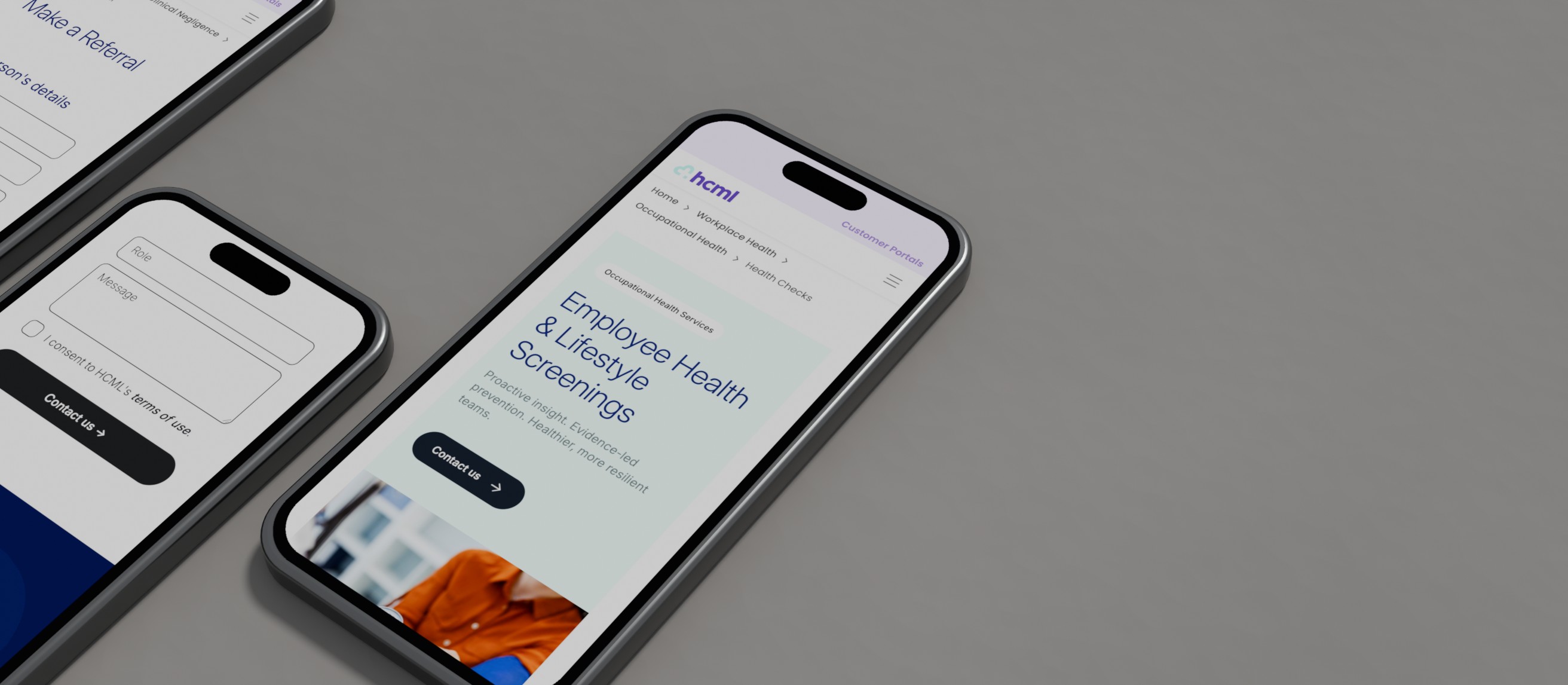
Behavioural research has shaped our work for HCML, Bush & Co and Anglia Interiors.

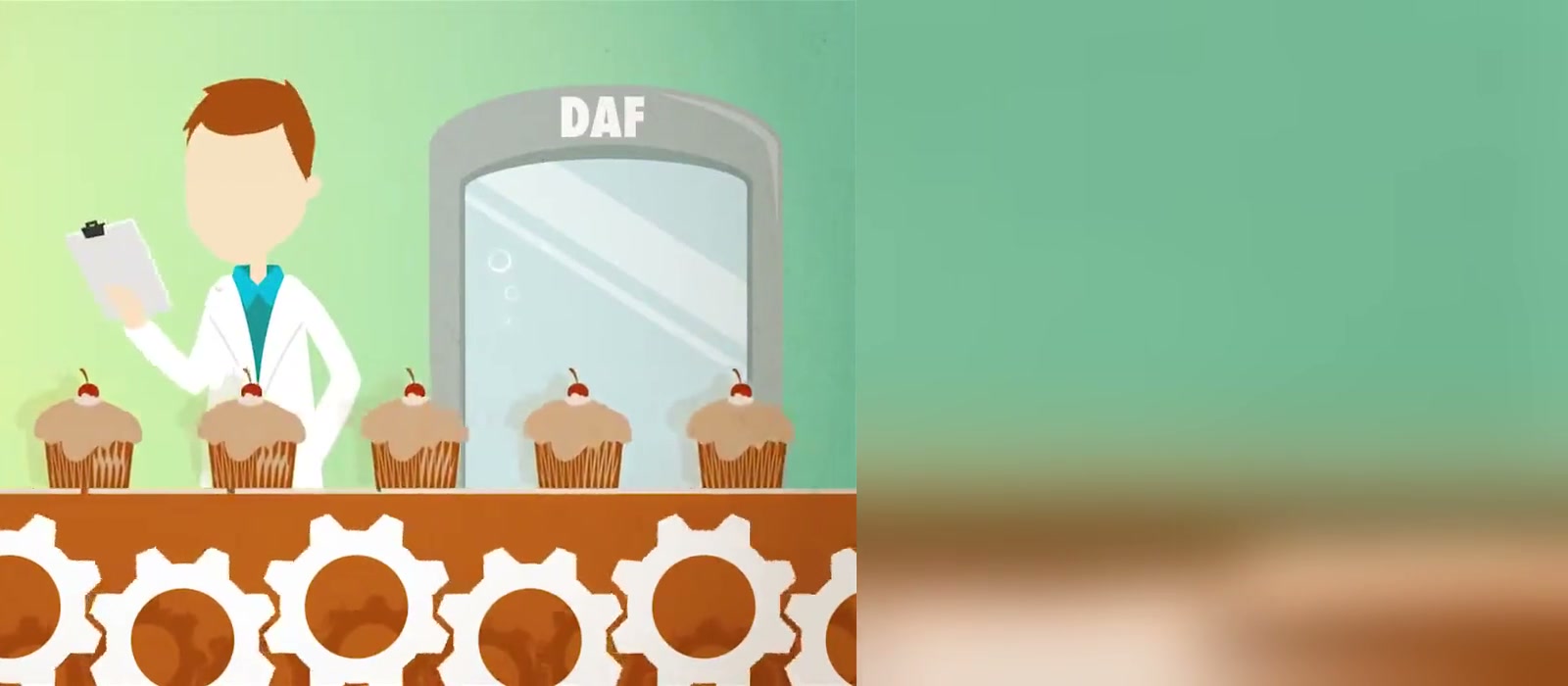
Used honestly: Behavioural design removes friction and confusion so people can choose well, and it only ever points at things that are true.
Understand the decision: We talk to the people who buy and influence, to find where and why they hesitate.
Find the real reason: We pin down why people choose you and what stops them, so the work can lead with what matters to them.
Design for decision: Pages, messages and calls to action shaped around how people think, search, compare, trust and choose.
Measure and improve: We watch what people actually do, not what we hoped they’d do, and change what isn’t working.
Behavioural research in practice
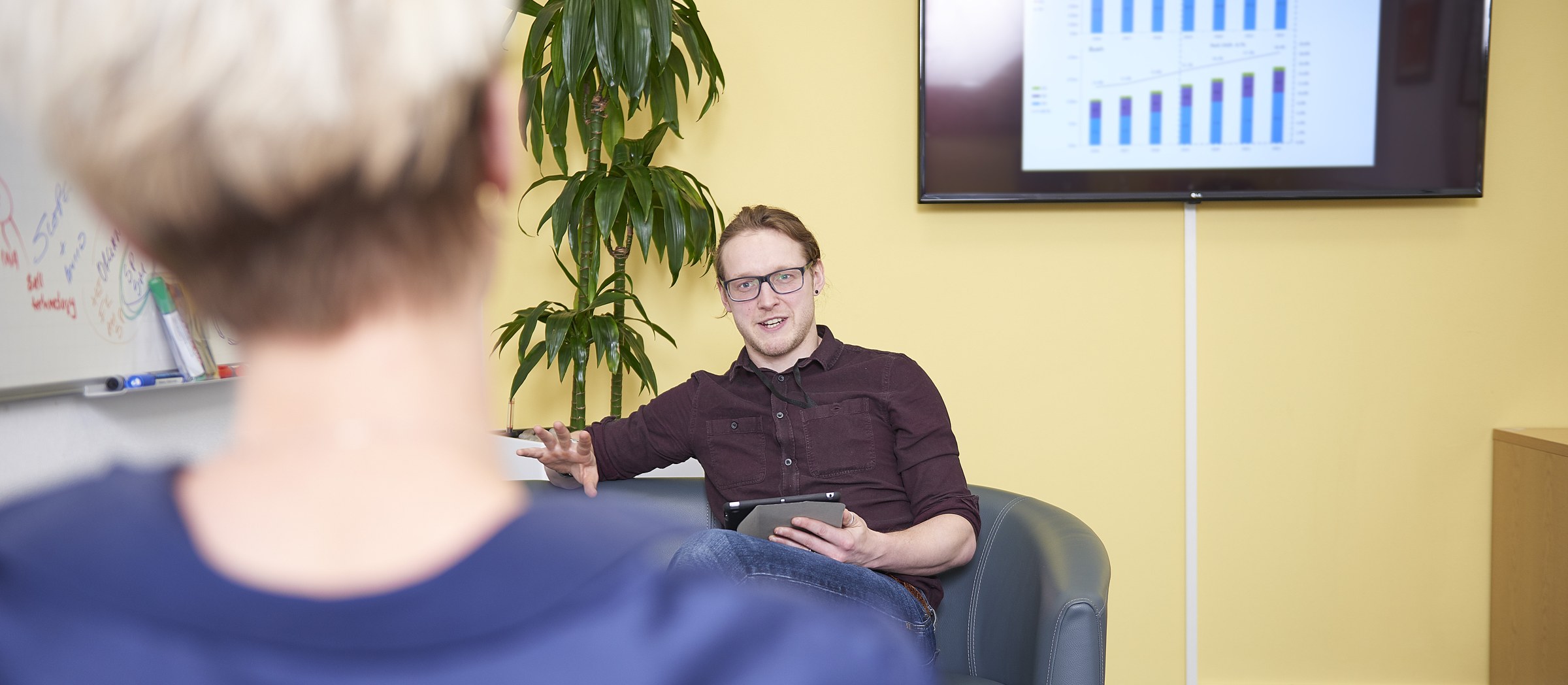 Bush & CoWe rebuilt the brand from behavioural research up, interviewing the solicitors and insurers who actually choose Bush.
 Anglia InteriorsBehavioural research into customer buying habits, then new photography, filmed case studies and social media advertising.
 Wellcome Connecting ScienceUX workshops on its visitors’ habits and jobs to be done, then a sitemap, page layouts and red routes.
What behavioural design looks at
A few well-studied patterns explain a great deal of how people choose. None of them is a trick; each is a reason a good offer gets missed.
- 01
Attention
People skim. If the reason to choose you isn’t in the first few words, most won’t find it.
- 02
Effort
Every extra field, click or unclear step loses people. Making the next step easy matters more than making it clever.
- 03
Defaults
Whatever happens if someone does nothing is often what happens. Good defaults help people choose well.
- 04
Social proof
People look to others like them. The right evidence from the right peers reassures; generic praise doesn’t.
- 05
Loss and risk
Fear of a bad decision often outweighs the hope of a good one. Reducing the risk can do more than adding benefits.
- 06
Framing
The same fact, said two ways, lands differently. Words chosen around how buyers think travel further.
A behavioural study, then the nudges.
Human centred design sits at the core of everything we make, and for HCML that meant a behavioural study into how intermediaries select a corporate health provider.
These insights shaped a year of content and communications built around ethical, behavioural nudges: a LinkedIn calendar, segmented email programmes, landing pages and lived experience storytelling. They also shaped the websites.
Read the HCML case studyQuestions about behavioural design
What is behavioural design?
Behavioural design applies behavioural science, the study of how people actually make decisions, to the things a business makes. It looks at what people notice, what they trust, what puts them off and what makes the next step feel easy, then designs around that rather than around how we assume people think.
What is the difference between behavioural insights, behavioural marketing and behavioural design?
Behavioural insights are what you learn: why a buyer hesitates on a pricing page, or why one headline gets read and another gets skipped. Behavioural marketing is using those insights in campaigns, content and websites. Behavioural design is the practice that ties them together, so every piece has a clear job and makes that job easy.
Isn’t it just a set of persuasion tricks?
There’s a version of this that’s just pressure: fake countdown timers, invented scarcity, buttons that shame people into saying yes. We don’t do that, and we don’t think it works for long.
Can behavioural design save a weak offer?
If an offer is strong but hard to understand, it helps it get understood. If an offer is weak, it won’t save it, and it shouldn’t try.
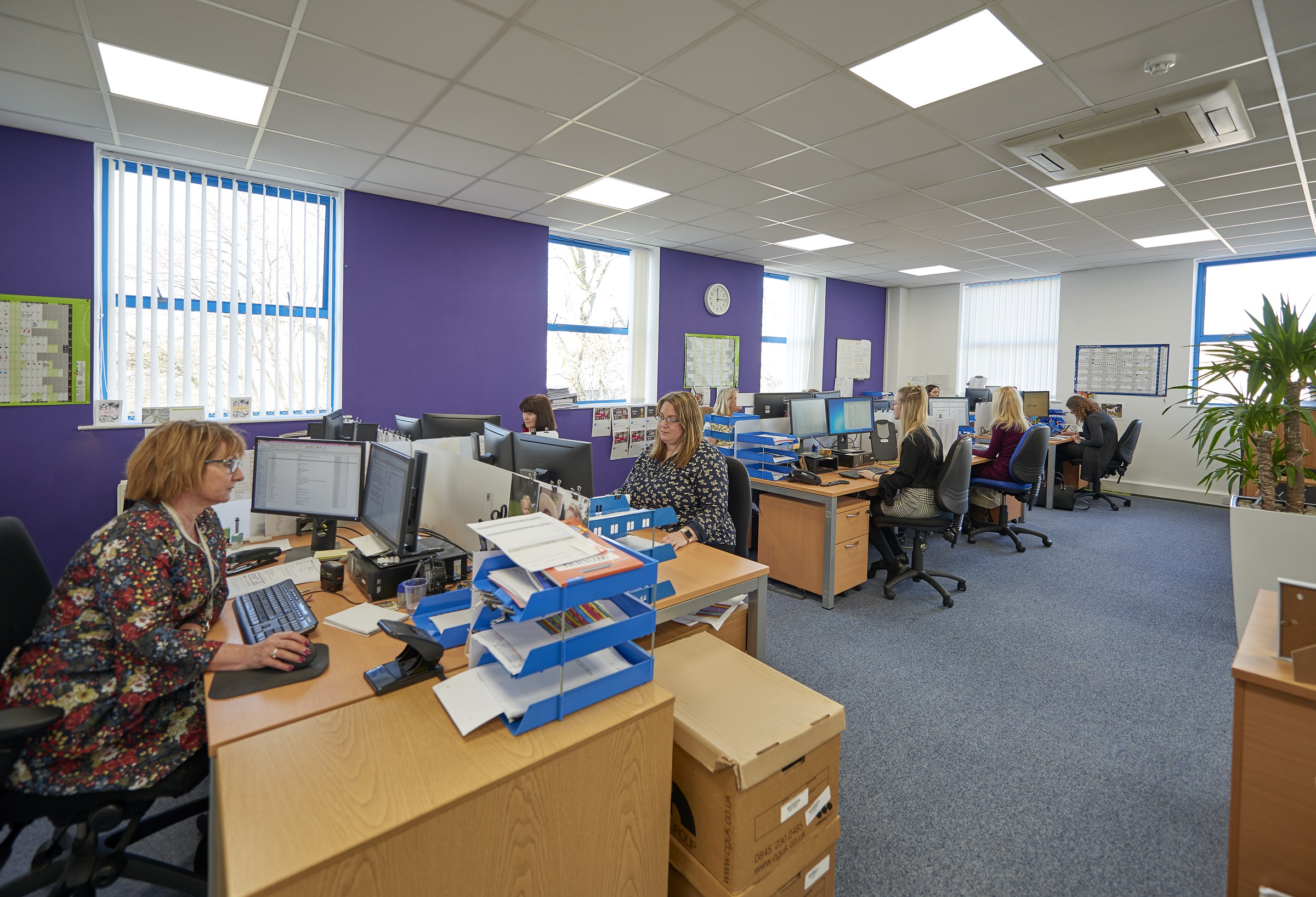
“What I’m proudest of on Bush & Co is that nothing was guessed. We ran a full brand audit with the client and a select group of their team, and a separate behavioural study, sitting down with case managers and with the solicitors and insurers who actually pick up the phone.”