In this article
People increasingly ask an AI assistant their question before they ever reach a search results page. It reads a range of sources, forms an answer, and often names a few. Google now does something similar above some of its own results, with AI Overviews. That, broadly, is AI search.
It changes the goal for a website. It’s no longer only about ranking for a click. It’s about being the source an assistant trusts enough to draw on and cite. The two overlap, but they’re not the same.
What has actually changed
For a quick factual question, the answer can now arrive without a click. For a considered decision, like choosing a supplier, a kitchen or a charity to support, people still visit websites, often after reading a summary that may not have mentioned you. So two things matter more: whether you’re named in the answer, and whether the page people land on confirms what they read.
| Classic search | AI search | |
|---|---|---|
| What the person sees | A list of links | A written answer, with a few sources named |
| What you compete for | A place on the page | A place in the answer |
| What tends to win | A relevant page on a trusted site | A clear, specific answer from a trusted source |
| What success looks like | A click | A mention, a citation, a better-informed visit |
The reassuring part
The bar hasn’t really moved. The thin, keyword-stuffed pages built to game old search are exactly what these systems discount. So the shift rewards the honest version of content marketing and punishes the cynical one, which is a good trend if you were doing it properly anyway.
What earns an AI citation is what earned trust all along: clear, specific, genuinely useful, and obviously written by someone who knows.
What gets drawn on
Content that gets drawn on tends to answer a real question directly and early, explain its reasoning, and say something specific. Vague, hedged, everyone-says-this content gives an assistant nothing to prefer. A clear, well-reasoned answer to a question people actually ask is most likely to be surfaced, because it’s most worth surfacing.
In practice:
- The short answer comes first, then the reasoning, then the detail.
- One page answers one question well, rather than gesturing at ten.
- Claims are specific: real examples, numbers with their source, the standards you meet, how long things take.
- It’s clear who knows: a named author, real experience, real work.
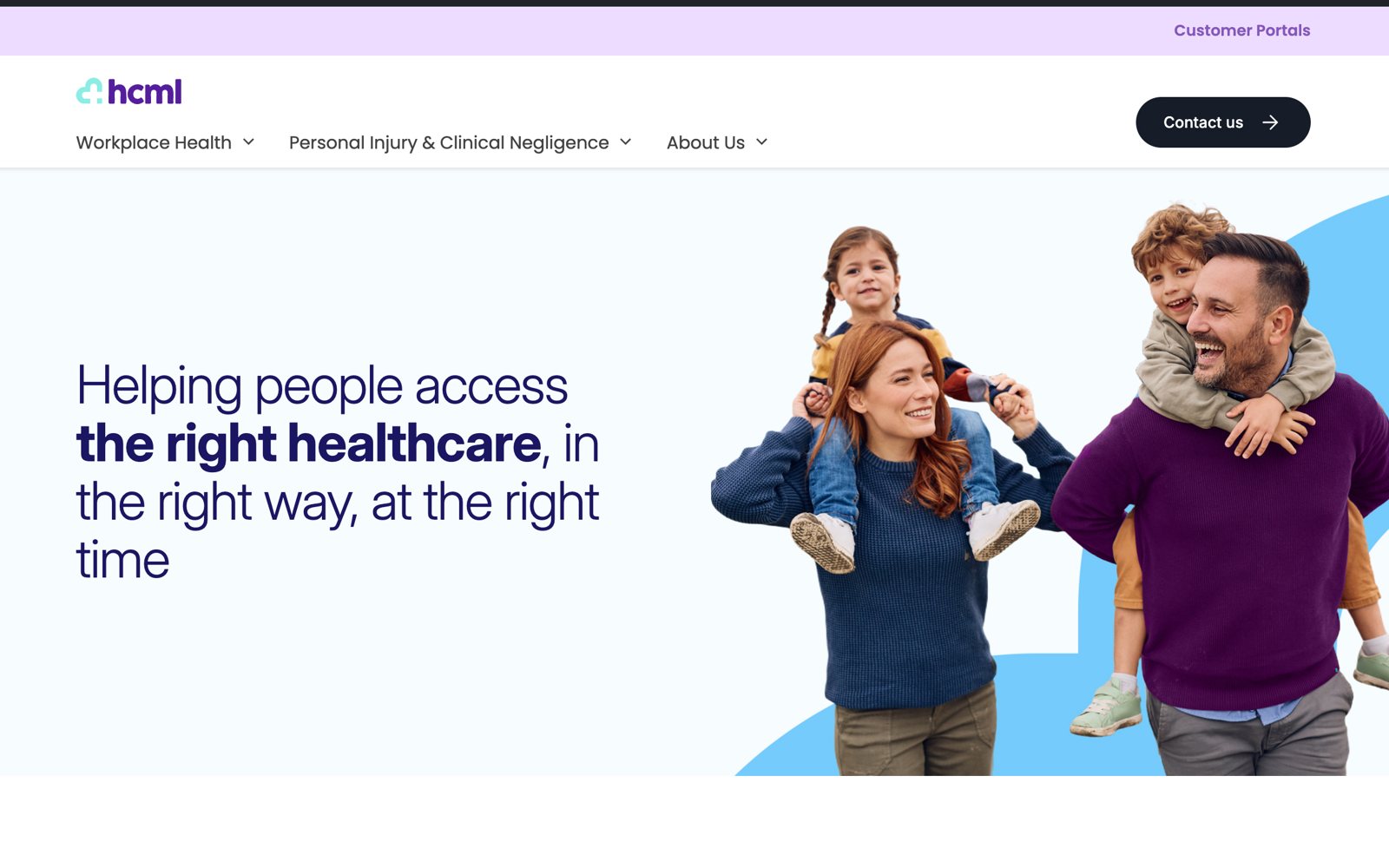
The HCML homepage we built gives its short answer in one line: helping people access the right healthcare, in the right way, at the right time.
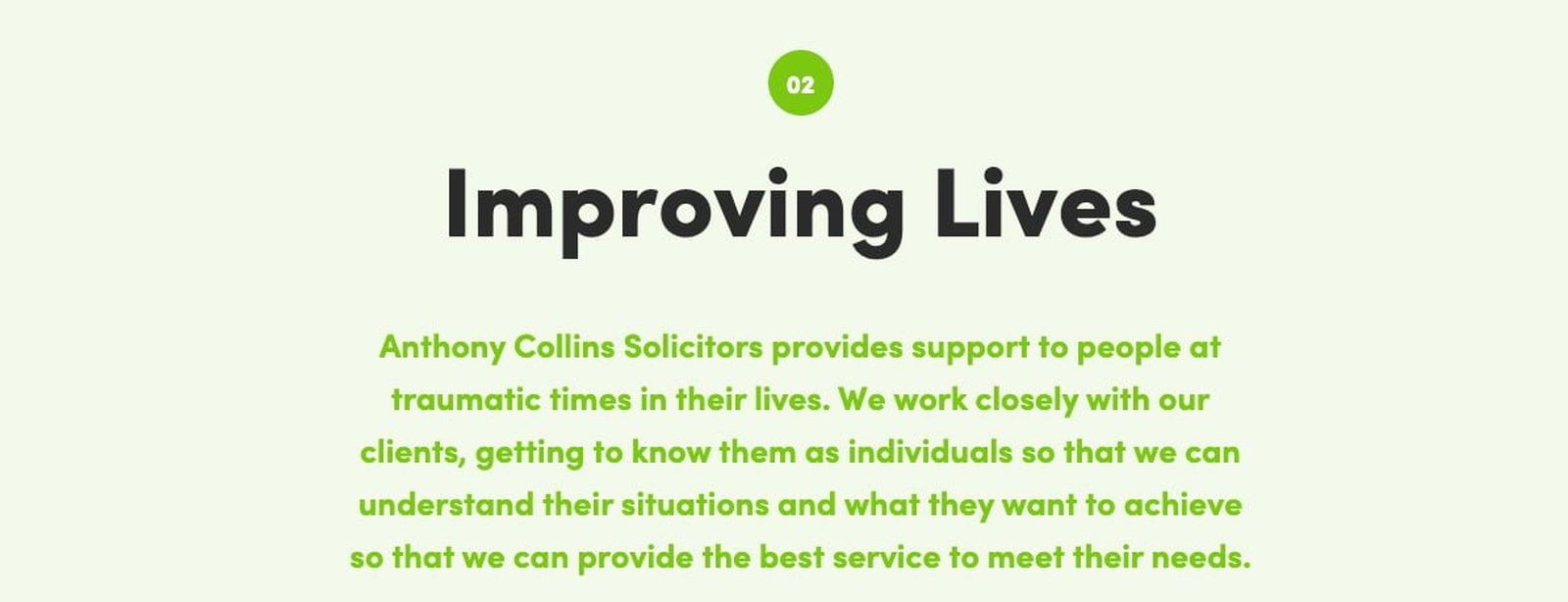
Anthony Collins Solicitors publish a yearly social impact report to quantify their claim of being a social purpose law firm. We helped make it digital, with short, punchy messaging and the key figures stated plainly. That pattern is easy for a person to trust and easy for a machine to quote.
Start with the questions people actually ask
You can’t answer a question you’ve never heard. Most websites are written from the inside out. The questions worth answering come from the people choosing: sales calls, enquiry emails and, best of all, interviews. On our own enquiry calls, the same four come up again and again. How long will it take? What does it cost? Will it bring in business? What should we do first? Each deserves a straight answer on the site.
Interviews also show how people search. When we interviewed the solicitors and insurers who choose Bush & Co, we heard that solicitors searched overwhelmingly by geography first. So we built the new website around a consultant finder on a map, filtered by specialism, geography and experience. That’s human-centred design applied to search. More in what good discovery actually looks like.
Say something only you can say
If a reader could get the same answer from a hundred other pages, there’s no reason to point at yours. Assistants face the same choice. Give them what they can’t find elsewhere: your own findings, your process, what you know from doing the work. The content that actually earns citations goes deeper.
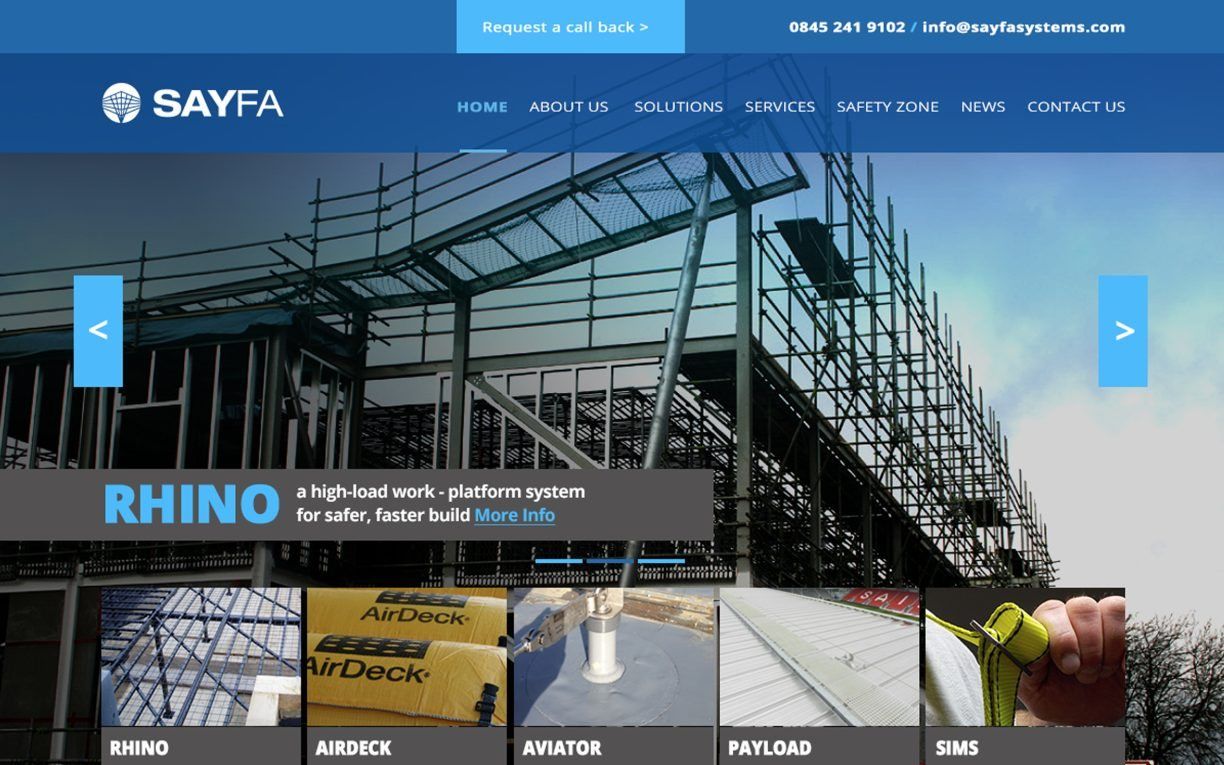
Sayfa Systems supplies safety products for working at height. Their new site, at the top of this page, had to increase traffic and conversions, and position Sayfa as a leader on safety at height. So alongside the products we built a Safety Zone: industry insight, film clips, legislation updates and product case studies. It answers what people need to know, not only what Sayfa sells.
Assistants also draw on more than your website: press coverage, reviews, other people’s articles. For Table Tennis England we created the PR strategy and toolkits for Loop, a campaign to take ping pong into workplaces, universities, sports clubs and cafes. It was covered by the Guardian, the Daily Mail, Channel 4, the BBC and regional papers and news channels. Useful on your own site, talked about on other people’s: that’s how a source gets made, and why PR now belongs in the search conversation.
Make sure it can be found and read
The plumbing still matters. Many assistants look things up through a search index before they answer, so a page search engines struggle to find or read is unlikely to be drawn on, however good it is.
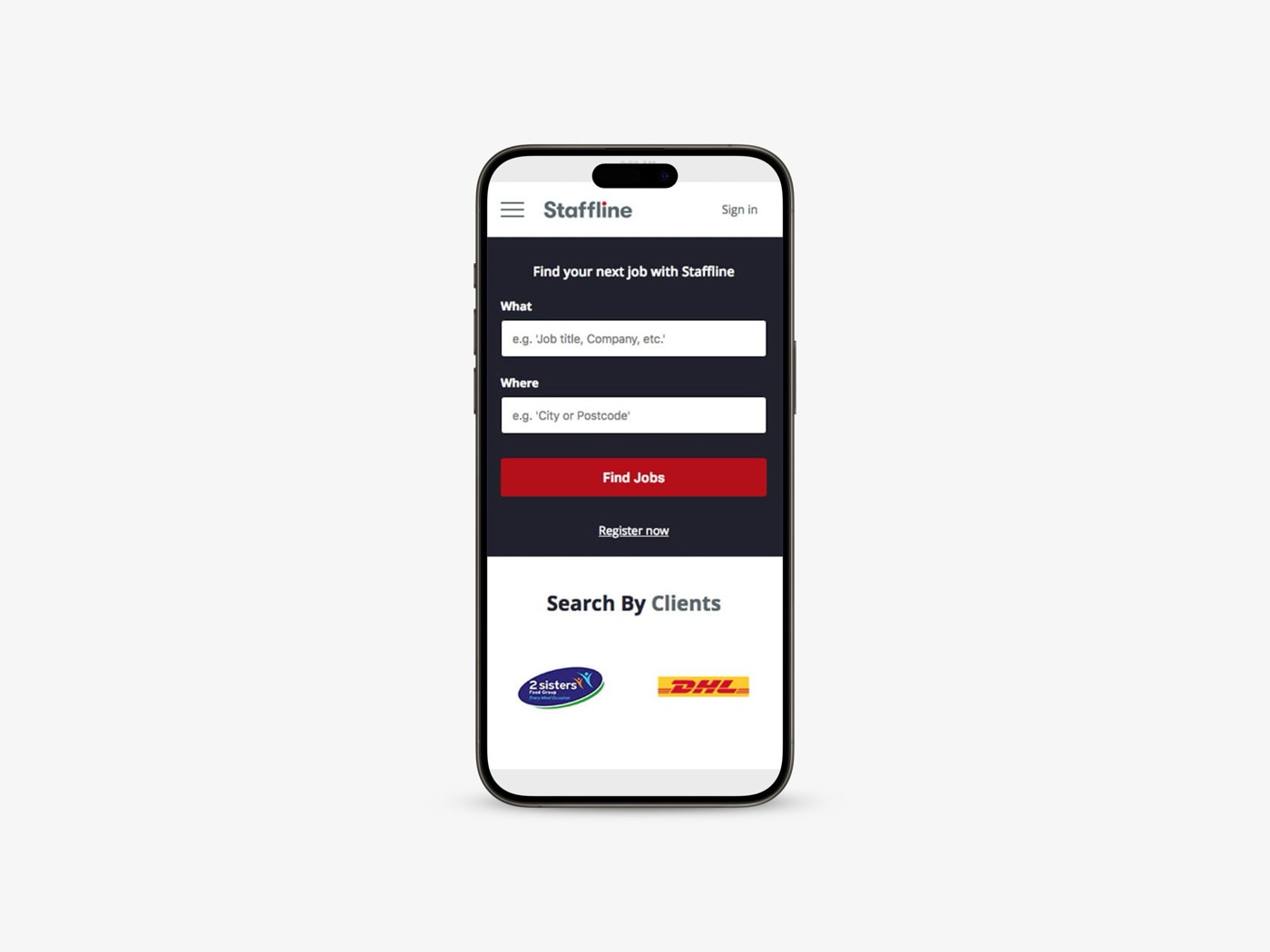
At Staffline, our first analysis found software integration problems that left job adverts barely optimised online. Candidates struggled to find jobs through search engines, then to apply. We overhauled the site and its technology, with an SEO strategy shaped by a six-week audit.
The checks are unglamorous:
- Words on the page, not locked inside images, PDFs or slideshows.
- Headings that say what each section answers.
- Fast pages that work well on a phone.
- Old addresses kept or redirected when a site is rebuilt.
- Nothing blocked by accident. Settings that shut out crawlers sometimes get switched on without anyone deciding.
- A name and a date on anything that gives advice.
Done with care, a new site keeps what the old one earned. We built the new website for Anglia Interiors, a family kitchen firm in Huntingdon, as plain, fast pages. On launch day, 30 September 2026, the homepage weighed half as much as the one it replaced. All 57 articles came across word for word at the addresses they already had, all 106 addresses from the old site were checked and every one answered, and the homepage now gives Google the business’s name, address, phone number and opening hours in a form it can read. Planning a website redesign? This is the part to protect.
Don’t write for the machine
The wrong response is to start writing for the algorithm, stuffing in structure and phrases you think a model wants. That’s the old mistake in a new coat, and it reads as hollow to humans and machines alike. Write the clearest, most genuinely helpful version for a person, show your expertise plainly, and you’re writing the thing AI search favours too. The audiences have converged. The trick is to stop trying to trick either one.
Five things to do this quarter
- 01Collect the questions
From sales calls, enquiry emails and interviews, in your customers’ own words.
- 02Ask the assistants
Put your ten most common questions to two or three AI assistants. Who gets named, and are they right about you?
- 03Answer the best ones properly
One page each, short answer first, then the reasoning and real examples.
- 04Check the plumbing
Run down the list above, or ask whoever looks after your site to.
- 05Watch what arrives
Add AI assistants to “how did you hear about us?” and check your analytics for visits from them.
If a second pair of eyes would help, our free marketing audit comes back with three things you could fix this month. No pitch, no tie-in. For the longer job, there’s more on how we approach AI SEO, SEO and copywriting.
Common questions
Is SEO still worth doing?
Yes. Assistants often lean on search indexes, and people still click through when a decision matters. The work changes shape: fewer thin pages chasing terms, more that answer a real question well.
What is AI SEO, or generative engine optimisation?
Making a website easy for AI assistants to find, read, trust and cite. Some agencies call it generative engine optimisation, or GEO, and sell it as a new discipline. Most of what works is good SEO and good writing, so it rarely needs a separate strategy. The difference is that success can be a mention in an answer as well as a click.
Should we block AI crawlers?
There can be good reasons, such as paid or sensitive content. But an assistant can’t name a source it can’t read, and for most marketing pages being read is the point. Check what your site allows, then decide on purpose.
Does this apply to charities, public bodies and consumer brands?
Yes. A donor checking where their money goes, a resident looking for a council service and a family planning a big purchase all ask questions first. Being the clearest, most honest answer works the same way. Two of the examples above are a sport’s governing body and a family kitchen firm.