In this article
Not all content is equally quotable, by a journalist, a peer or an AI assistant. Most gets ignored because it restates what is already everywhere. The pieces that get cited share a few traits, and none of them is about length or keyword density. They are about having something worth borrowing.
What a citation actually is
A citation is someone else deciding your page is the best place to send their reader. A journalist links to your findings. A client forwards your guide to a colleague. An intermediary shares your post with their own network. An AI assistant answers a question and lists your page among its sources.
Each borrower lends you a little of their own credibility. So they all ask the same question: does this page give me something I couldn’t easily get elsewhere?
| Who cites you | What they need | What they borrow |
|---|---|---|
| A journalist | Something new they can attribute | A finding, a number, a named view |
| A peer or intermediary | Something credible to pass on | A clear idea, a real story, a useful chart |
| An AI assistant | A source that answers the question directly | A plain claim, a definition, a short answer near the top |
| A buyer’s colleague | Evidence to back a decision | A case study with the working shown |
Google asks much the same of the pages it ranks. Its guidance for site owners, Creating helpful, reliable, people-first content, invites them to ask whether their content gives original information, reporting, research or analysis, and whether it adds substantial value compared with the other pages in the results.
Have something worth borrowing
The most citable content contains a specific claim, framework or piece of evidence that isn’t already common. A real example from your own work. A number you actually measured. A way of explaining something that is sharper than the usual. If a reader could get the same thing from any of a hundred other pages, there’s no reason to point at yours. Originality, in the plain sense of having a point of your own, is the whole currency.
Content gets cited when it contains something worth borrowing. Generic content contains nothing to point at.
Finding that point usually starts with looking at what already exists. When the Gangmasters and Labour Abuse Authority wanted a film on modern-day slavery in the workplace, we began by researching the films already out there. Most talked about the signs of slavery. Very few said what to do once you had decided to act, in a way that kept everyone safe. That gap became the creative concept, and the film was first shown at the GLAA’s annual conference.

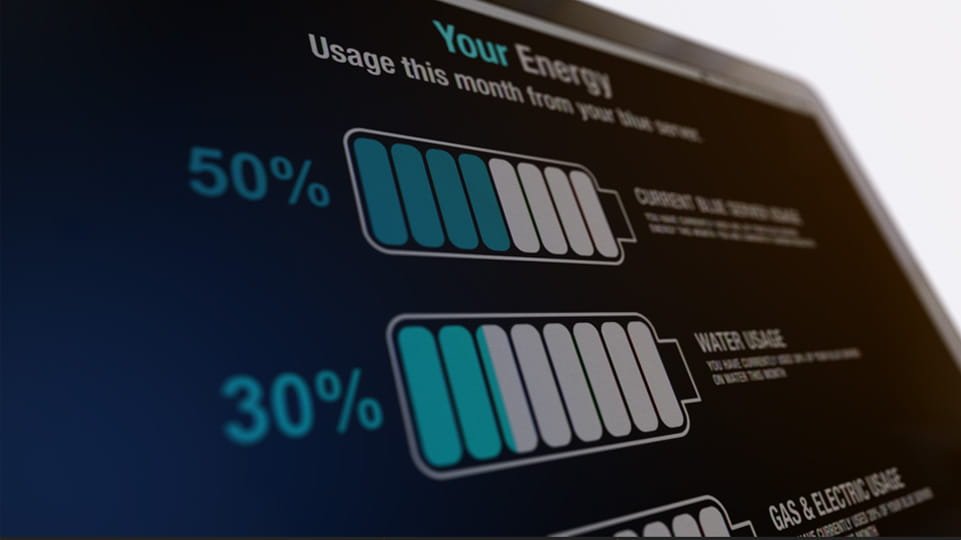
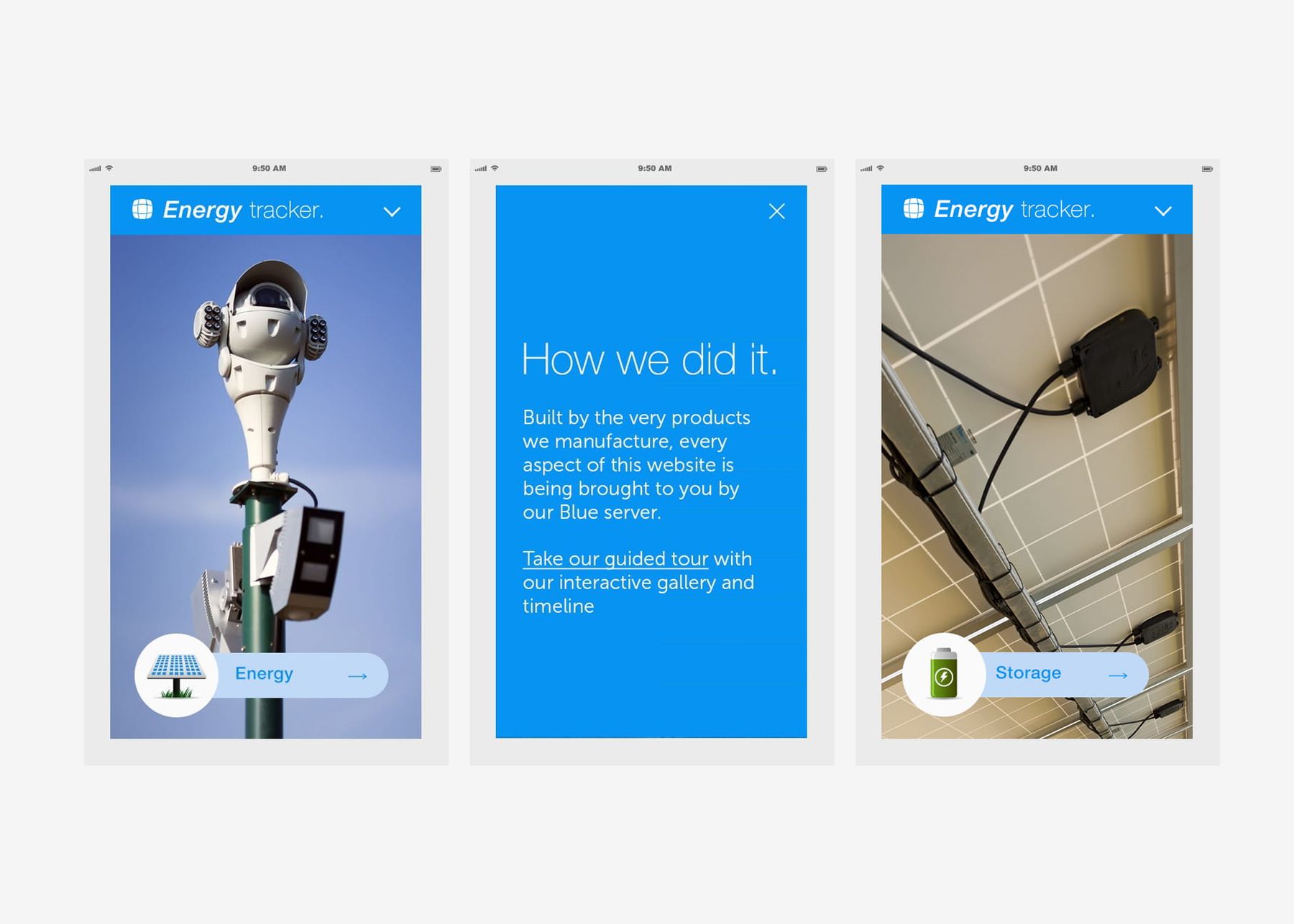
Sometimes the original thing is proof rather than an argument. Any solar company can say it believes in solar. For Conergy, we proposed powering the UK website from one of its own solar installations, so visitors could see the real-time data and the savings for themselves. It was designed to be a talking point: something people point at because it shows rather than claims.
A number you measured works the same way. Energy Saving Trust’s UK:Pulse report, from our work with the trust, is built on its own study of UK householders, with the findings set large beside the people they describe. Anthony Collins Solicitors publishes a yearly social impact report to quantify its claim to be a social purpose law firm, and we helped turn it from a long printed document into an interactive report with animated infographics. A figure only you hold, with its source and scope beside it, is about as borrowable as content gets.
Make the borrowable part easy to find
Citable content also makes its value easy to find and quote. A clear claim stated plainly, a definition that stands on its own, a short answer near the top before the long one. Bury your best insight in paragraph nine and most readers, and most machines, never reach it. Lead with the thing worth quoting, then earn the rest of the attention.
A few habits help on any page:
- Answer first. The opening lines answer the question in the title.
- One claim per paragraph, plain enough to survive being lifted out.
- Figures with their working: a source, a date and what was measured.
- Headings that are real questions, in the words people actually use.
Easy to find can also mean easy to carry. On the Peoples’ Climate Vote website we designed and built for the United Nations Development Programme, every result could be saved as an image or shared straight to social, and a data centre let researchers download the tables underneath every chart. The finding can travel on its own, and the working is there for anyone who checks.
Know who passes your work on
Citations come from people, so it pays to know which ones. When we interviewed the intermediaries who recommend and buy corporate health services from HCML, we learned they hunt constantly for trends and credible content to share onward, and turn overwhelmingly to LinkedIn to find it. They wanted to hear from a provider all year round rather than be bombarded, and real stories landed harder than messaging built around services.
That shaped a year of content: a LinkedIn calendar, segmented emails, landing pages and lived experience storytelling. It is human-centred design applied to content. Find out what the people who might share your work need in order to look well informed, then give them that.
We came away with a brand that finally sounds like us and a content strategy that speaks straight to the people we most want to reach.
Start the conversation others report
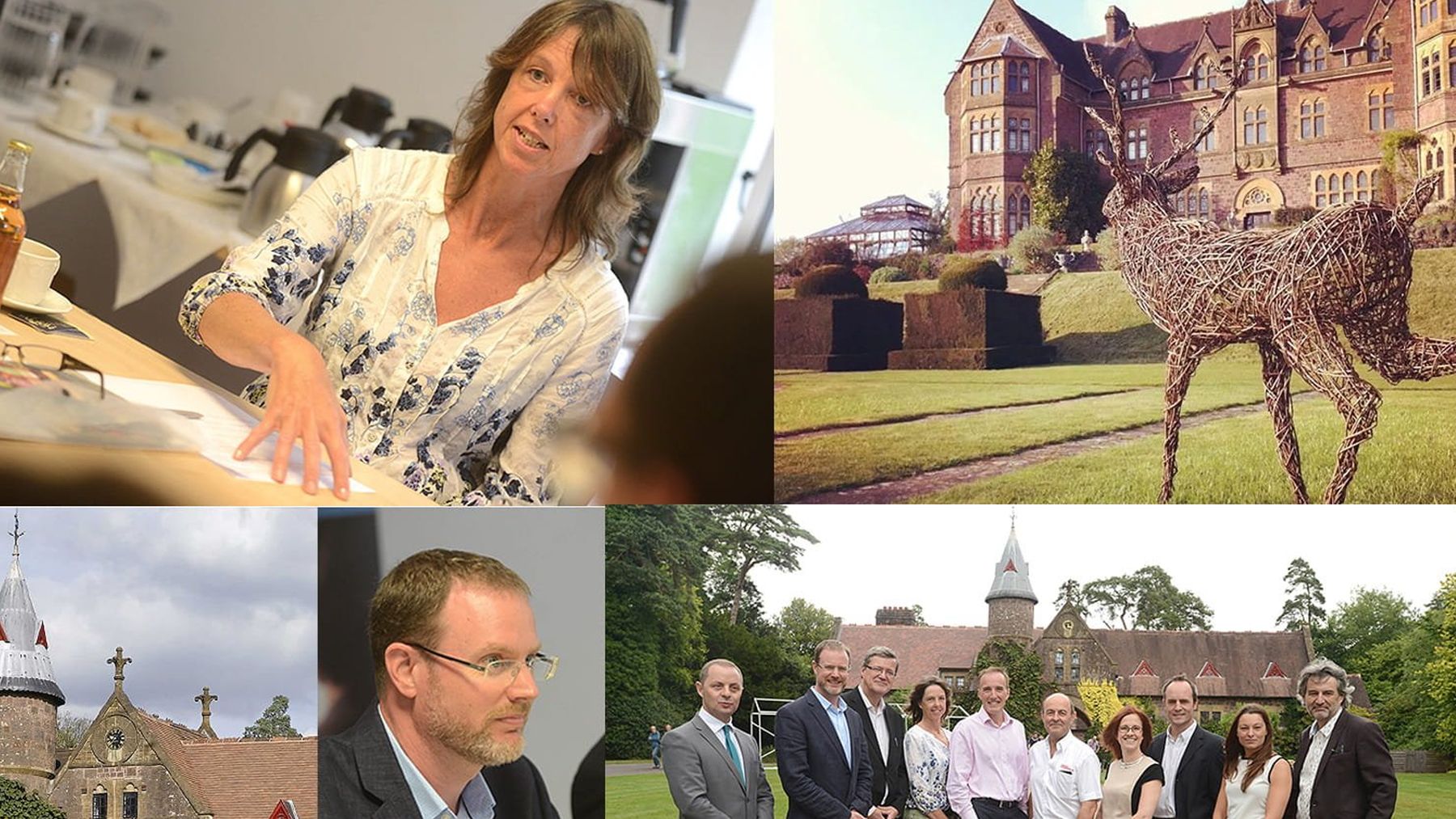
A citation can start as a conversation. When businesses could first choose their water supplier, Wessex Water and Bristol Water needed their new venture, water2business, to be heard in a confusing new market. As part of the PR strategy, we organised sustainability seminars and workshops with businesses across the South West, in partnership with the South West Business publication. The press releases and articles were picked up widely in local and trade press, and the discussion points became a white paper.
We also built an info hub meant to be the first place anyone went for balanced, objective information on the changes. People cite the source that helps them understand, not the one that is plainly selling.
Why less, better wins
Over time, the sites that get cited are the ones that have been reliably useful and correct, often enough to be trusted. There’s no shortcut. Every useful, specific, honest piece adds to that trust, and every thin, me-too piece quietly subtracts. Which is the real argument for publishing less, better, rather than more, generic.
Writing for the machine, stuffing pages with phrases a model is supposed to want, reads as hollow to people and machines alike. More on that in what AI search means for your website. And if having a point of your own is the hard part, why a point of view beats being good at everything is a good place to start.
Before you publish
- 01Name the borrowable thing
Write down, in one sentence, what someone could quote from this piece. If you can’t, it isn’t ready.
- 02Check it isn’t everywhere already
Read what already ranks for the question. If you would be saying the same thing, find what they missed.
- 03Bring your own evidence
An example from your work, a number you measured, or a story a client has agreed to share.
- 04Lead with it
Put the answer or the finding in the opening lines, then the reasoning.
- 05Show the working
Give every figure its source, its date and what it measures.
If you’d like help finding the point worth making, that is what our copywriting and content and SEO work is for. Our free marketing audit comes back with three things you could fix this month, or you can just get in touch.
Common questions
What if we don’t have any original data?
You probably have more than you think: the questions customers ask before they buy, what you see across many projects, a view on where your sector gets it wrong. A few interviews with customers or staff often turn up something nobody has written down yet.
Is writing for AI assistants different from writing for people?
Mostly not. A clear answer near the top, plain claims and sources shown make a page easy to quote, for a person or a machine. What works for neither is content shaped to game a system.
Does this only apply when one business sells to another?
No. A charity publishing its impact, a council explaining a change, a consumer brand with a genuine finding: the test is the same. Does this page give someone something worth pointing at? Two of the examples above were made for a public authority and a United Nations programme.