In this article
Brand positioning is the place you choose to hold in people's minds: who you are for, what you help them do, and why they should pick you over the other sensible options. It is a decision, written down, that everything else in your marketing then has to live up to.
That is the short answer. The longer one matters, because most organisations think they have a position when what they actually have is a description.
What does brand positioning actually mean?
The idea was made famous by two advertising men, Al Ries and Jack Trout. In their 1981 book, Positioning: The Battle for Your Mind, they argued that a position is won in the customer's mind, not in the product.
The quickest way to see it is to set a description beside a position. "We provide commercial cleaning services" is a description. A position would name the buyer, the decision they are trying to make, the thing they worry about while making it, and the reason you are the safer or better choice. It is narrower, and that is the point. A position that suits everyone persuades no one.
Good positioning usually answers four questions:
- Who is it for? Real people with a real problem, whether that is a facilities manager, someone choosing a new kitchen or a would-be volunteer. Not "businesses of all sizes", and never "everyone".
- What do they need to get done? The outcome they are after, in their words rather than yours.
- What else could they choose? A competitor, an in-house team, another cause, or doing nothing at all.
- Why you? The difference that matters to them, and that you can prove.
The answers usually end up in a short positioning statement, written for your team rather than your homepage.
What are some examples of brand positioning?
People often ask about Nike. Its published mission is to "bring inspiration and innovation to every athlete in the world", with a footnote: "If you have a body, you are an athlete." It says nothing about shoes. It decides who Nike is for, then stretches that to everyone, which few brands could carry off.
Most organisations need to choose something narrower to stand on. Two from our own work:
- An occasion and an audience. Juju's jelly shoe was positioned as the shoe for parties, clubs and holidays, for women aged 16 to 25. The picture at the top of this guide comes from that launch.
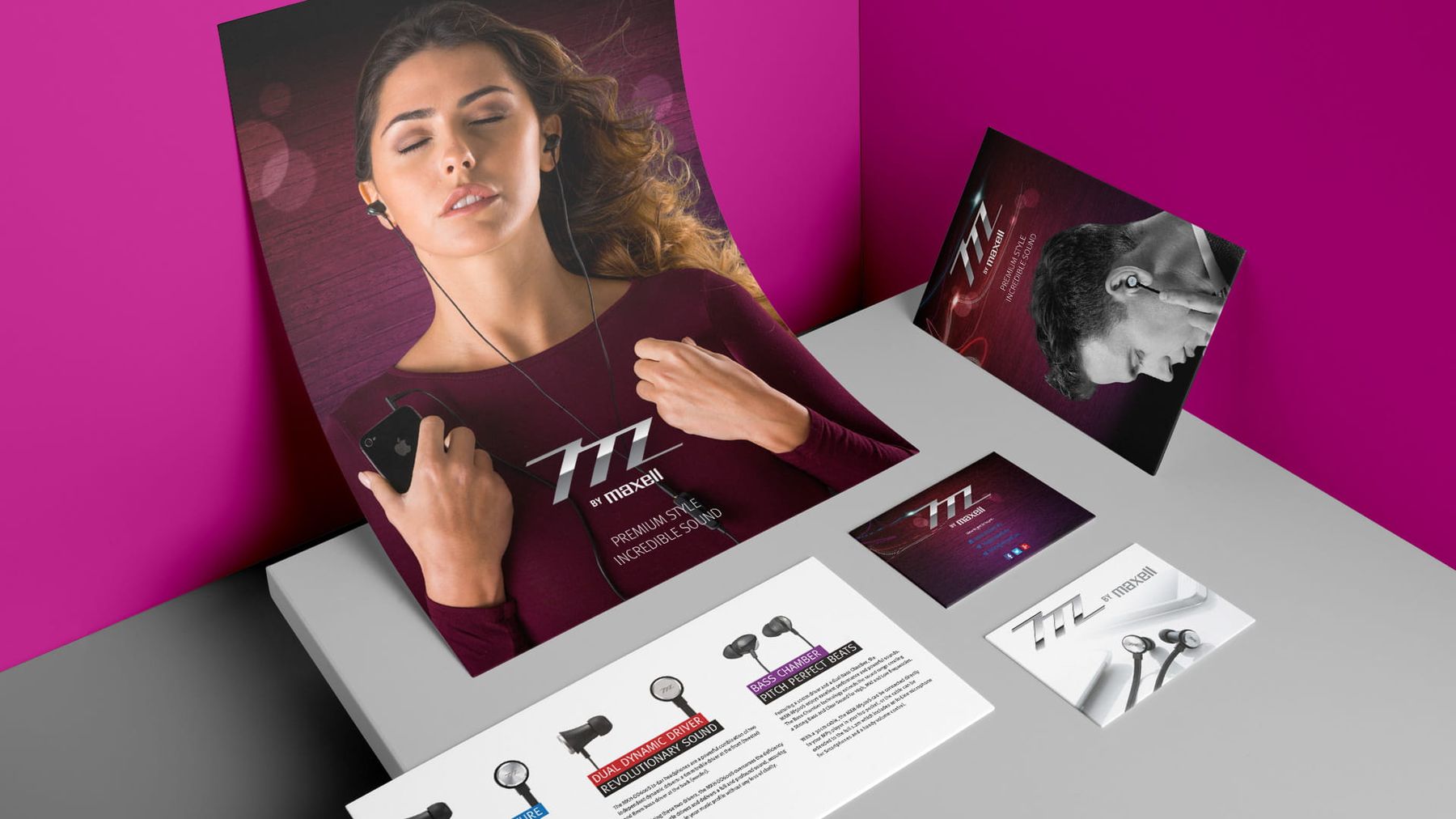
- Premium. Maxell's new headphones were positioned as high-end and the next must-have, aimed at customers and retailers alike.
Why does brand positioning matter for your organisation?
Because people compare. A business buyer reads three websites side by side, someone buying for themselves may give you a few seconds, and a supporter is weighing you against other good causes. If your website, your sales material and your best people each describe you slightly differently, the person choosing has to join it up. Most will not bother.
Clear positioning does three practical things:
- It makes the organisation easier to explain, so it depends less on one person's ability to explain it in a room.
- It makes marketing decisions easier to make. When you know who you are for, you know which channels, messages and pieces of content earn their place.
- It makes you easier to choose, because people can see quickly whether you are for them.
We often meet organisations whose offer has grown stronger than their ability to explain it. The work has moved on; the words have not. That gap is a positioning problem, even when it shows up as a website or a lead generation problem.
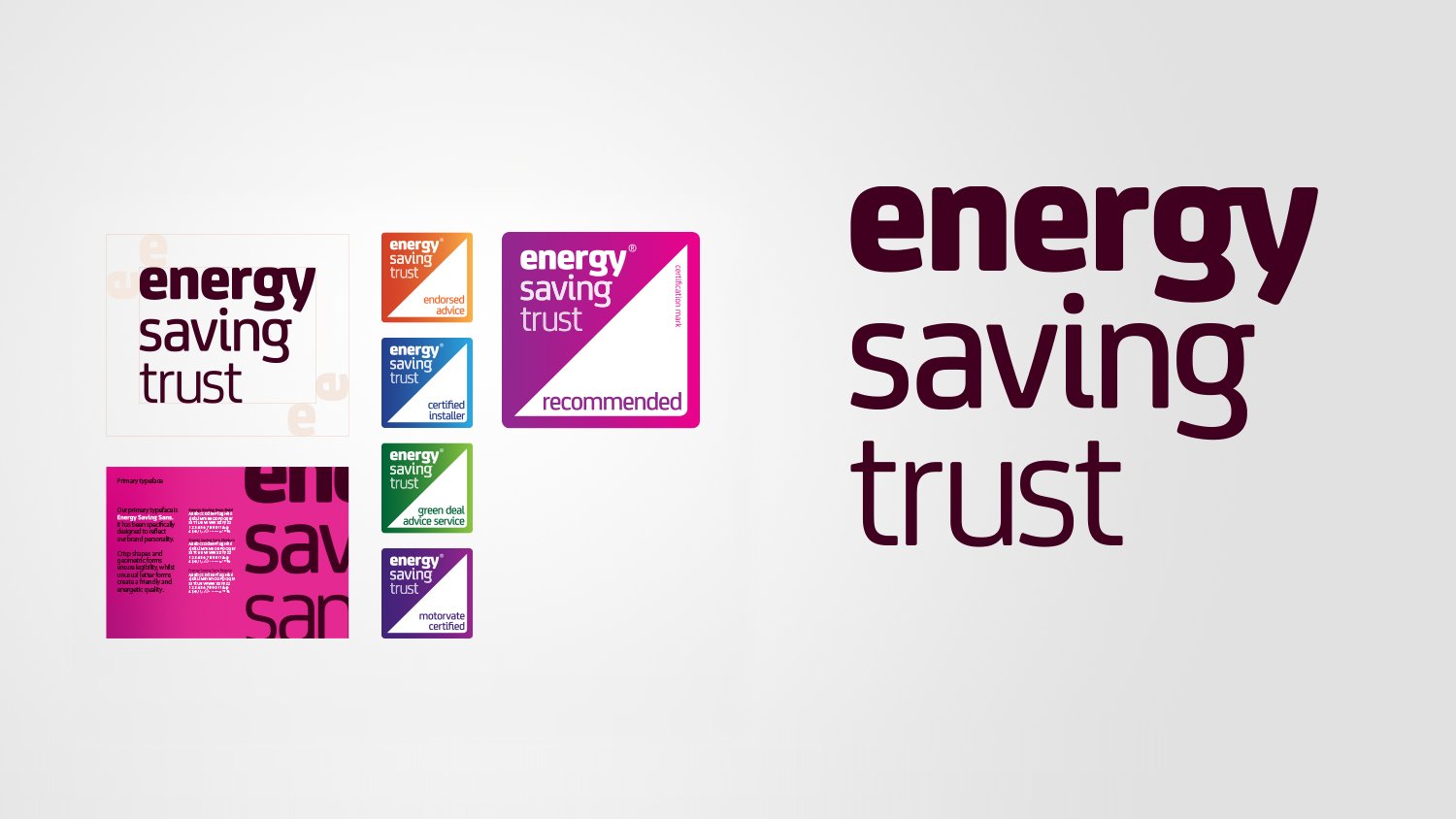
Sava is a good example. When National Energy Services came to us, it had several established brands, divisions and websites, each strong on its own and confusing as a whole. Before any design, we ran a workshop with the senior team, researched competitors and the market, and wrote a strategy setting out the vision, the values and a simplified service proposition. Only then did it become one name, one identity and one website.
Hayley and Simon have brought clarity to our positioning, consolidating our range of brands and services under one name and vision creating a strong, professional but dynamic brand.
How is brand positioning different from brand strategy?
Positioning is one part of brand strategy. It is the decision about where you stand. Brand strategy is the wider plan that makes that position believable over time and ties it to the commercial plan.
The terms get used loosely, so it helps to see them side by side.
| Term | What it decides | Where you see it |
|---|---|---|
| Positioning | Who you are for, and why they should choose you | Rarely word for word; it steers everything below |
| Brand strategy | How the position is made believable over time | Proposition, priorities, personality and voice |
| Messaging | The words that carry the position | Headlines, sales decks, proposals, the phone |
| Identity | How the position looks and feels | Logo, colour, type, photography and film |
Put simply, positioning is the choice. Strategy is how you make the choice stick. Our brand strategy service covers both.
How do you find your brand positioning?
Not in a workshop on its own, and not from a list of adjectives. The most useful positioning comes from evidence, gathered from three directions and then tested.
- 01Ask the organisation
Leadership, sales and delivery teams know why people choose you and why they leave. Ask them separately; they rarely agree, and the differences are useful.
- 02Read the data
Search behaviour, website analytics and competitor messaging show what people look for and what the market already claims.
- 03Talk to the people who choose
Interview customers, prospects, supporters and the people who influence the decision. This is the step most organisations skip.
- 04Find the patterns
Look for what comes up again and again, especially anything people value that you barely mention.
- 05Write it down and test it
One or two plain sentences, put in front of real people before anything is rebuilt around it.
The data step is often humbling. If every competitor's homepage says "trusted partner", that phrase is not going to set anyone apart, however true it is.
At Sayfa Systems, a supplier of safety products for working at height, the brand workshop and research looked both inward and outward: how the company saw its own brand, how customers related to its offer, and how it should position itself in the market.
Ideate’s branding programme uncovered, challenged and delivered key insights to create a clear positioning and creative direction for the company.
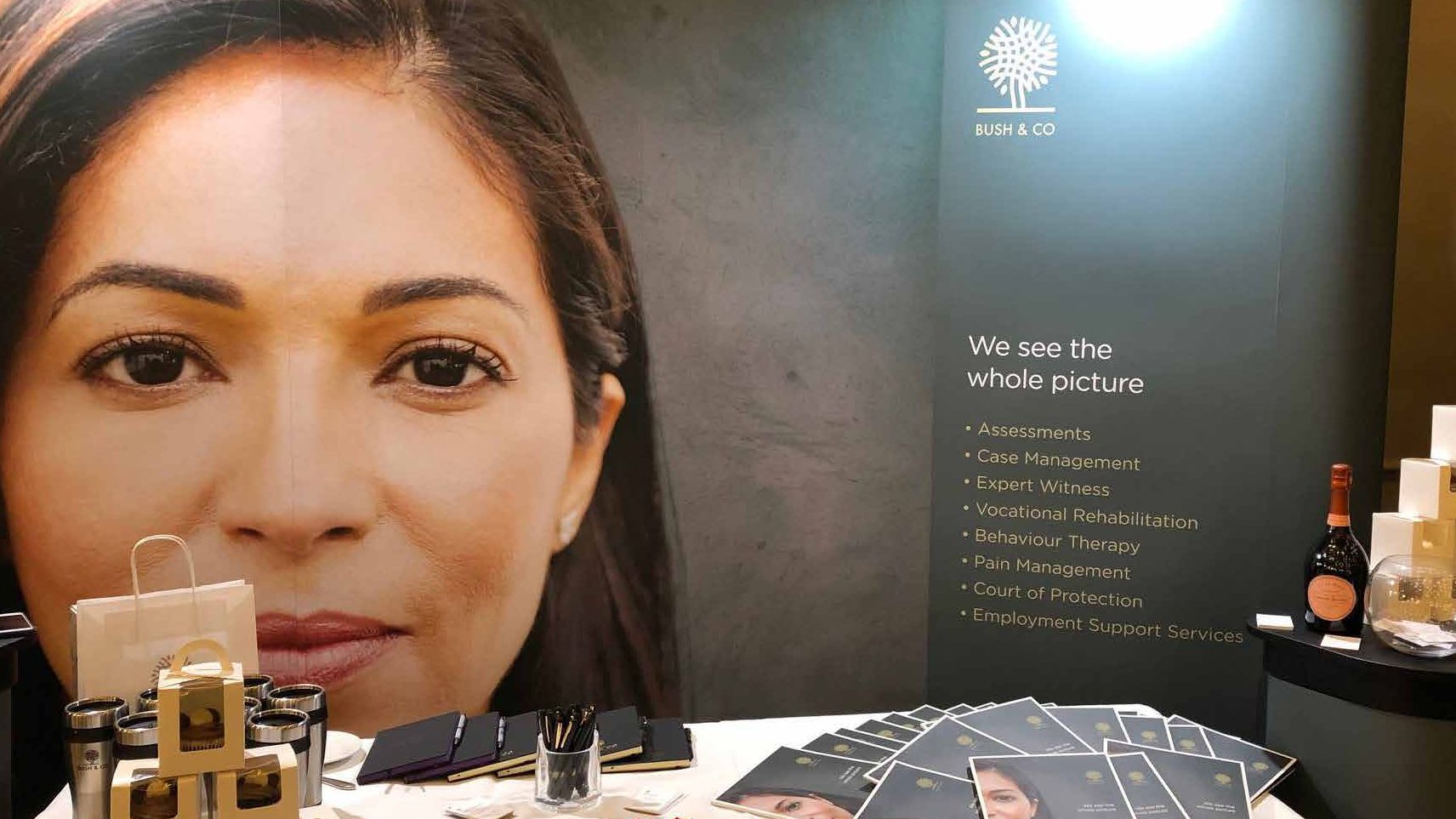
Talking to the people who choose is usually where the real position is hiding. At Bush & Co, a case management and expert witness firm, we interviewed the solicitors and insurers who choose it. We asked how and why they used Bush, what helped and what got in the way, and what made them pick Bush over other firms. Three themes kept coming back:
- The relationship was built on the quality and personality of the case managers, first and foremost.
- Finding the right consultant had to be simple, and solicitors searched by geography first.
- Solicitors were cautious by nature, and needed a push to try someone new.
None of those is a slogan, but all of them shaped the work: a new set of values and a positioning statement, then the brand and a map-led consultant finder built around the way solicitors actually search.
This kind of research sits at the heart of human-centred design. There is more on doing it well in what good discovery actually looks like.
How do you know if your positioning is working?
Test it before you rebuild anything around it. A few honest checks:
- Can your team say it? Ask five people in the organisation who you are for and why you win. If you get five answers, the position is not settled yet.
- Does it rule anything out? A position that excludes nobody is a slogan, not a choice.
- Would a competitor say the same? Swap their logo onto your homepage. If it still reads true, you have not found your difference.
- Do people recognise it? Put the core message in front of real people, in a prototype page, a leaflet or a sales conversation, and watch what they do with it. Do they understand it? Do they repeat it back? Does it move them to the next step?
Once it is live, the signs are practical: shorter sales conversations, better-fit enquiries, fewer "so what is it you actually do?" moments. For a charity or a public service, it shows up as people describing what you do in their own words, and getting it right.
What are the common brand positioning mistakes?
Positioning on qualities everyone claims. Quality, service, expertise and trust are expected. They are the price of entry, not a reason to choose. A quality can become a position, but only when it is specific and you can show it.
Positioning on the logo. A new identity can express a position. It cannot create one. If the thinking is not settled, a rebrand just makes the confusion look more expensive. If you are weighing up a rebrand, settle the position first, then decide how much the identity needs to change. Sometimes it is less than you expect.
Trying to appeal to everyone at once. Most organisations have one or two audiences who matter most. Write for them first, and reach the others on purpose. Juju's launch campaign spoke first to the young women who would wear the shoes, and reached retailers and boutiques as a second audience, through events, PR, advertising and point of sale.
Leaving it in a document. A position that lives only in a strategy deck does nothing. It has to reach the homepage headline, the sales deck, the proposal template and the way people answer the phone, and much of that is careful, consistent copywriting. For Maxell's premium headphones, the brand went into in-store point of sale, sales material, press packs and packaging as well as the website.
Where to start
If your offer is harder to explain than it should be, start by writing down, in one sentence, who you are for and why they should choose you. Then ask three customers, supporters or service users why they actually chose you. The gap between those two answers is where the positioning work begins.
That is where our work usually begins too. As a full-service, human-centred design agency, we research first, then shape a position you can test, then build the brand, website and marketing around it. Positioning is the first stage of how we work, and you can see the rest on our services page. If you would like to talk it through, get in touch.
Common questions
What is a brand positioning statement?
A short internal statement, usually one or two sentences, that names who you are for, the need you meet, the alternatives they could choose and the reason to choose you. It guides decisions; it is rarely published word for word.
What is another word for brand positioning?
People also say market positioning or competitive positioning. A value proposition (what you offer) and a unique selling point, or USP (what sets you apart), are close relatives but narrower. Positioning also decides who you are for and who you are being compared with.
Is brand positioning only for businesses?
No. Charities, public services and membership bodies all compete for attention, support or trust, and all of them benefit from being clear about who they are for and why it matters. The four questions are the same. Only the alternatives change.
How long does brand positioning take?
It depends mostly on how much research is needed. The thinking is quicker than people expect once the evidence is in. Gathering that evidence, especially interviews with the people who choose you, is what takes the time, and it is time well spent.
Should positioning change over time?
The core should hold for years, but revisit it when the organisation changes direction, enters a new market or finds the people it serves have changed.