In this article
Brand strategy is the plan for how your organisation wants to be known, by whom, and why they should believe it. It sets out your purpose, your audience, your position, your proposition, your message and your personality, and how all of them show up in everything people see, from the website to the sales deck to the poster on a noticeboard.
It is not the logo. The logo is one way of expressing the strategy, and it comes later.
Every kind of organisation needs one, whether it sells, campaigns or serves the public. The question is the same: why should the right people choose us, and how will they know?
What does a brand strategy include?
There is no single template. But a useful brand strategy, whether for a business, a charity or a public body, usually covers seven things.
Purpose, vision and values. Why the organisation exists beyond what it sells, where it is heading, and the few principles that guide how it behaves. Everything below rests on them, so keep them short enough to remember.
Audience. Who you most need to reach, what they are trying to get done, and how they make decisions. There is often more than one: the buyer, the user and the person who signs off, or a charity's supporters, volunteers and the people it serves. Each wants something different.
Positioning. The place you choose to hold in that audience's mind, and why you rather than the alternatives. We have written a separate guide on what brand positioning is.
Proposition. What you offer and the value it creates, in your audience's terms. Not a list of services. The outcome they are paying for, or giving their time to.
Messaging. The few things you say consistently, in order of importance, with the proof behind each one. A good message framework works on a homepage, in a pitch and in a conversation.
Personality and voice. How the brand sounds and behaves. Plain or technical, warm or formal, bold or careful. Written down, so different people can write in the same voice.
Expression. How it all shows up: identity, website, sales materials, content and campaigns. This is where design and creative come in, built on the thinking above rather than in place of it. It is the part our brand identity work picks up.
Why does an organisation need a brand strategy?
Because without one, every decision is made from scratch. A new website, a new campaign, a new sales deck, a new hire writing LinkedIn posts: each one invents its own version of you. Over time the brand drifts, and people see several organisations where there is only one.
A brand strategy gives everyone the same starting point. It makes you easier to explain and easier to choose.
It saves money, too. Marketing that starts from a clear strategy wastes less, because you know who it is for and what it needs to say.
What is the difference between brand strategy and marketing strategy?
Brand strategy decides who you are and how you want to be seen. Marketing strategy decides how you reach the right people and turn their interest into enquiries, sales, sign-ups or donations. Brand identity is the visible layer that both of them use.
| Brand strategy | Marketing strategy | Brand identity | |
|---|---|---|---|
| What it covers | Audience, positioning, proposition, messaging, personality | Channels, campaigns, content, budget and targets | Name, logo, colour, type, imagery and guidelines |
| How often it changes | Rarely, and only when the organisation changes | Often, as you learn what works | When the strategy changes, or it no longer fits |
| What you end up with | A short document people use to make decisions | A plan with priorities, a calendar and measures | A system that makes everything recognisably yours |
The two strategies depend on each other. Marketing without a brand strategy tends to be busy but scattered. A brand strategy without marketing stays in a document. Our guide to marketing strategy covers the marketing side in depth.
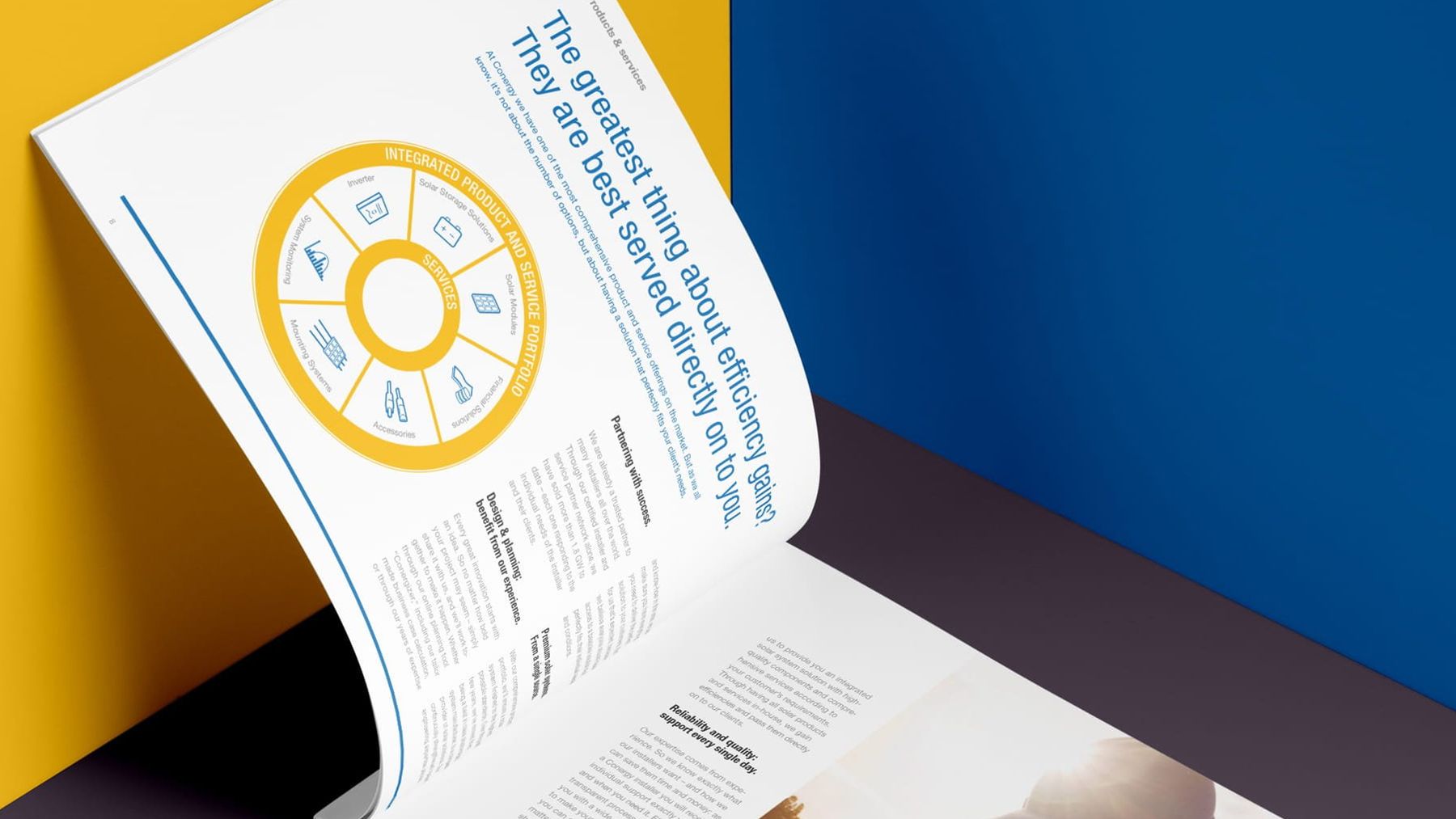
HCML shows one feeding the other. A behavioural study into how intermediaries choose a corporate health provider found three things. Relationships are everything to them. They look constantly for credible content to pass on, mostly on LinkedIn. And they would rather hear from a provider all year round than be bombarded. Those findings shaped the identity, and then a year of content and communications.
How do you build a brand strategy?
The order matters more than the template. A sensible sequence looks like this.
- 01Understand the organisation
Talk to the people who run it, sell it and deliver it, one at a time. The differences between their answers are often the most useful finding.
- 02Understand the market
Look at what people search for, what competitors claim and where the gaps are. If every competitor uses the same three words, those words will not set you apart.
- 03Talk to the people who choose you
Interview customers, prospects, supporters and anyone who influences the decision. Ask what nearly put them off, and what made up their mind.
- 04Decide
Write down the audience, the position, the proposition and the core messages, in plain language and short enough that people will use them.
- 05Test
Put the core message in front of real people, on a prototype page or in a real conversation, and see whether it lands. It is one of the cheapest steps, and a message is far easier to change before it is printed and built into a website.
- 06Express and roll out
Only then design the identity, write the website and build the tools. Then make sure the people who use them know how.
The step most often skipped
In our experience, step three is the one that gets dropped. It takes time, and most organisations believe they already know what their customers think. Yet the people who choose you tend to value something you take for granted.
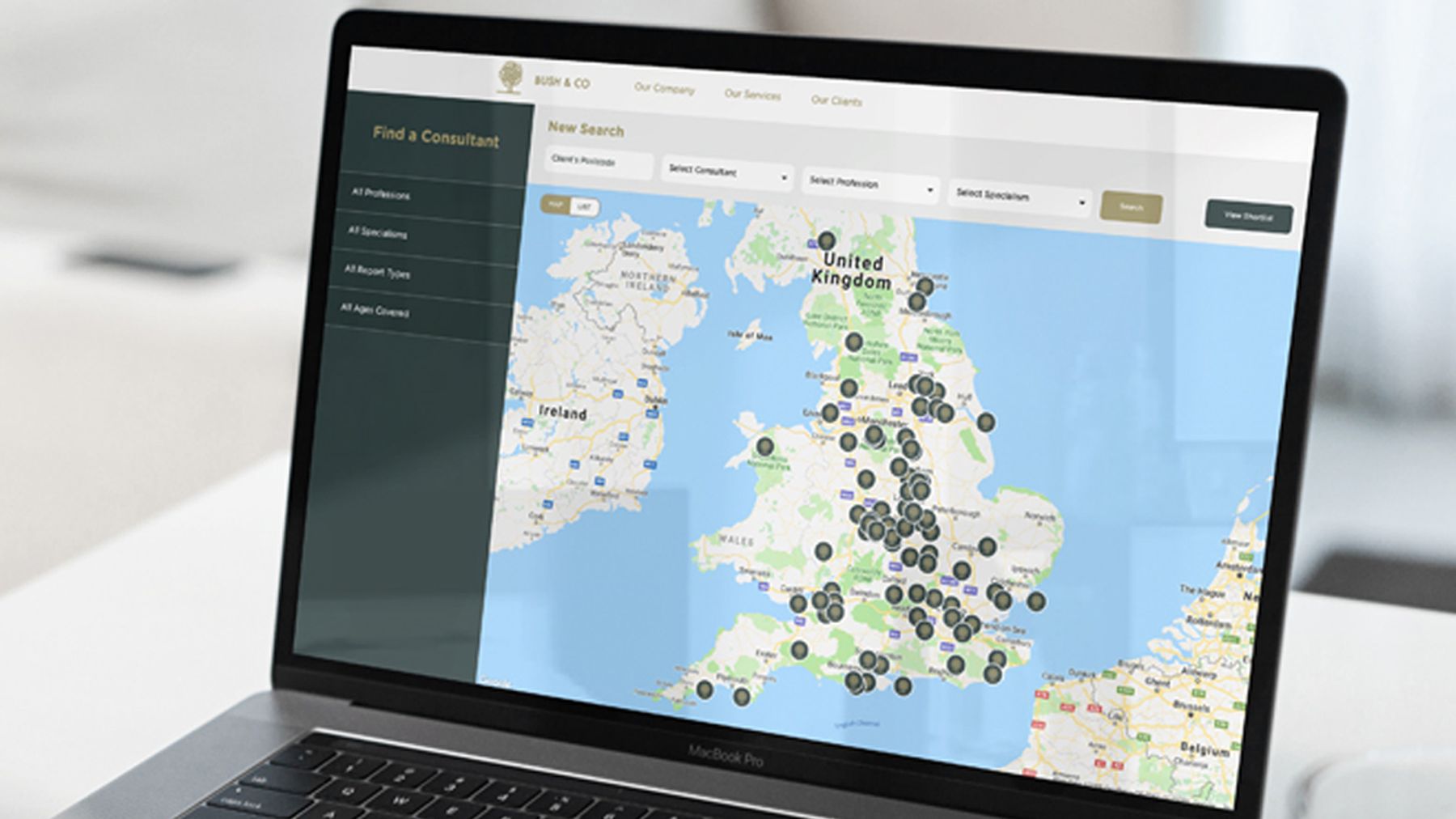
When we rebuilt the brand for Bush & Co, which provides case management and expert witness services for catastrophic injury, we interviewed and surveyed staff, case managers, expert witnesses, and the solicitors and insurers who choose them. Three themes kept coming up. Relationships were built on the quality and personality of the case managers, first and foremost. Solicitors searched by geography first. And they were cautious by nature, so they needed a push to try someone new.
Only then did we write the new brand values and positioning statement, and only then the creative concepts. The same findings changed the website too.
This is what human-centred design means in practice. The answer comes from the people who make the choice, not from anyone's taste, ours included.
A brand strategy example
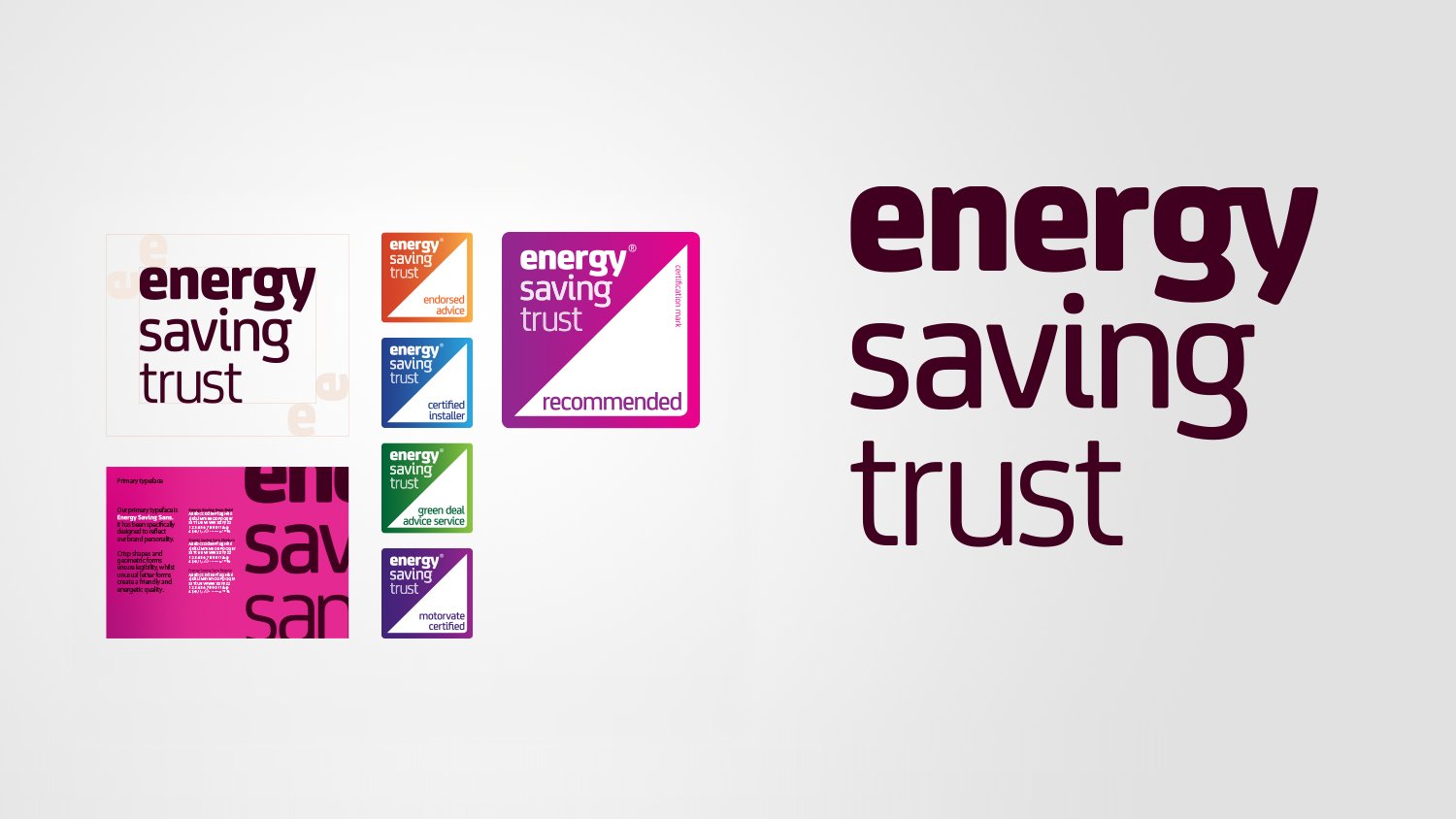
The clearest answer to “what is brand strategy?” is to watch one being built. Here is the whole sequence on one project. National Energy Services had grown into several established brands, divisions and websites. Each was strong on its own. Together they were confusing.
We began with a brand workshop with the senior management team, alongside desktop, competitor and market research. From that came a strategy setting out the company's vision, its values and a simpler service proposition. Then came the identity, under one new name, Sava, and one corporate site in place of several.
Hayley and Simon have brought clarity to our positioning, consolidating our range of brands and services under one name and vision creating a strong, professional but dynamic brand.
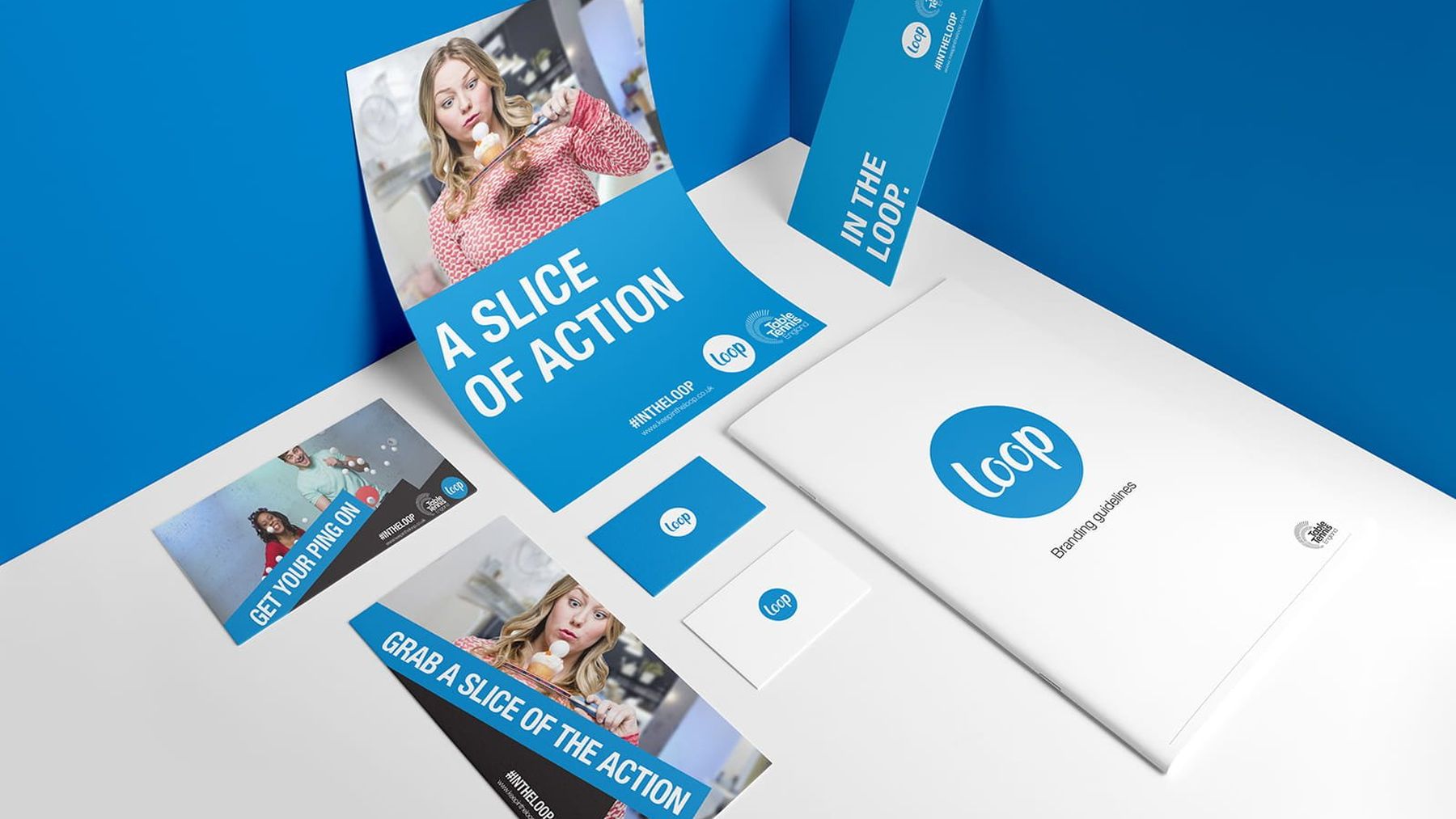
The last step, making sure people can use the brand, is easy to underestimate. With Loop, a ping pong initiative from Table Tennis England aimed at workplaces, universities, sports clubs and cafes, we created the brand's mission, vision, values and guidelines. Then we wrote toolkits for Loop's ambassadors, covering key messaging, tone of voice and how to work with the press, so the people spreading the word had what they needed.
When do you need a new brand strategy?
A few signs come up again and again in the organisations we work with:
- The organisation has evolved, but the brand has not kept up.
- The offer is strong, but the message is complex or inconsistent.
- The website looks credible but does not explain the value.
- Too much depends on a few people who can explain what you do, in a sales meeting or a funding bid.
- Several brands have grown up side by side and now blur into one another.
- You are moving into a new market, or trying to win bigger, more senior buyers.
None of these is solved by a new logo on its own. All of them are solved, at least in part, by a clearer strategy. If you are weighing up a rebrand, make that decision as part of the strategy, not before it.
Where to start
Start small, with a test you can do this week.
Brand and marketing strategy is the first part of how we work, under Positioning and strategy. Before a brand, website or campaign can work harder, the thinking behind it needs to be right. You can read more about our brand strategy work, or get in touch whenever you would like to talk about your own.
Common questions
Is brand strategy the same as branding?
No. Branding usually means the visible identity: name, logo, colours and type. Brand strategy is the thinking that tells the identity what to express.
Who should be involved in a brand strategy?
Leadership, because the strategy has to support the plan for the organisation. The people on the front line, because they hear customers or supporters every day. And the people who choose you, because their view is the one that counts.
What are the five pillars of brand strategy?
There is no agreed list. The one you will see most is purpose, positioning, personality, perception and promotion. The first three are among the seven parts above. Perception, how people really see you, is what step three finds out. Promotion is where marketing strategy takes over.
What are the four C's of brand strategy?
There are several versions. The most useful is company, customers, competitors and context, the things to understand before you decide anything. They are the first three steps above. Others use the four C's for qualities a finished brand needs, such as clarity and consistency.
What is brand direction?
Usually the creative direction that grows out of the strategy: the look, feel and tone the identity will take, explored as a few early routes. For HCML, after the brand sprint, we developed a range of logo routes and brand elements, then refined the chosen direction to final artwork. It follows the strategy rather than standing in for it.
How do you know a brand strategy is working?
Ask five people inside the organisation who you are for and why you are chosen. If the answers match, it has landed. Outside, listen for people describing you in their own words, and getting it right. Our guide to brand positioning has more checks.
How often should a brand strategy change?
Rarely. The core should hold for years. What you keep refining is the way it is expressed and the messages, as you learn what works. If you find yourself rewriting the strategy every year, it was probably a set of campaign ideas rather than a strategy.
Does a small business or charity need a brand strategy?
Yes. A small organisation cannot outspend bigger ones, so it has to be clearer than them. A short, honest strategy is often all it takes.
Can we write a brand strategy ourselves?
You can make a good start, and the three-sentence test above is a sensible first step. The hard part is seeing yourself the way the people who choose you do. That is usually where an outside view earns its place.