In this article
The safest positioning is to be excellent at everything for everyone. It's also the weakest, because it gives no one a specific reason to choose you.
The organisations that get chosen tend to stand for something: a clear point of view about how the work should be done, who it's for, or what matters. That point of view does more to win the right clients, customers and supporters than any list of services.
Why trying to suit everyone backfires
Most organisations describe themselves with the same handful of words: quality, service, expertise, trust. All of them may be true. None of them helps anyone choose, because every alternative says them too. They're the price of entry, not a reason to pick you.
Positioning that tries to keep everyone happy ends up as beige, the inoffensive brand that design by committee always produces. Each sentence gets softened until nobody in the meeting objects. Each claim gets widened until no possible customer feels left out. It's safe in the way that being forgettable is safe.
This isn't only a business problem. A charity that "supports communities" and a public service that "puts people first" have the same trouble. Someone deciding where to give, volunteer or sign up needs a reason to believe you're different, and a description can't give them one. Our guide to brand positioning goes further into the gap between a description and a position.
What a point of view actually is
A point of view is a stance you're willing to hold even though some people will disagree.
"We don't design anything until we've researched the people who choose you" is a point of view. It implies a judgement about agencies that skip that step, and it will put off the client who just wants a quick logo. That's the point.
Here is one agency described three ways.
| Version | What it says | Who it puts off | What the reader takes away |
|---|---|---|---|
| A description | We design brands, websites and campaigns | Nobody | Nothing they'll remember |
| A claim | Award-winning, results-driven creative | Nobody, until they check | The same as everyone else |
| A point of view | We don't design anything until we've researched the people who choose you | Anyone who wants a quick logo | A reason to agree, or to look elsewhere |
A real point of view passes three tests:
- Someone sensible could disagree with it. "We care about quality" fails, because nobody argues for the opposite.
- It changes what you do, including the work you turn down.
- You can show it, in the work and the way you work, not only in a strapline.
The people you lose, and the ones you win
The organisation with a clear view loses the clients who disagree and wins the ones who agree strongly. Strong agreement is what turns a prospect into an advocate. Mild approval rarely does.
A stance that offends no one attracts no one. The point of view is the point.
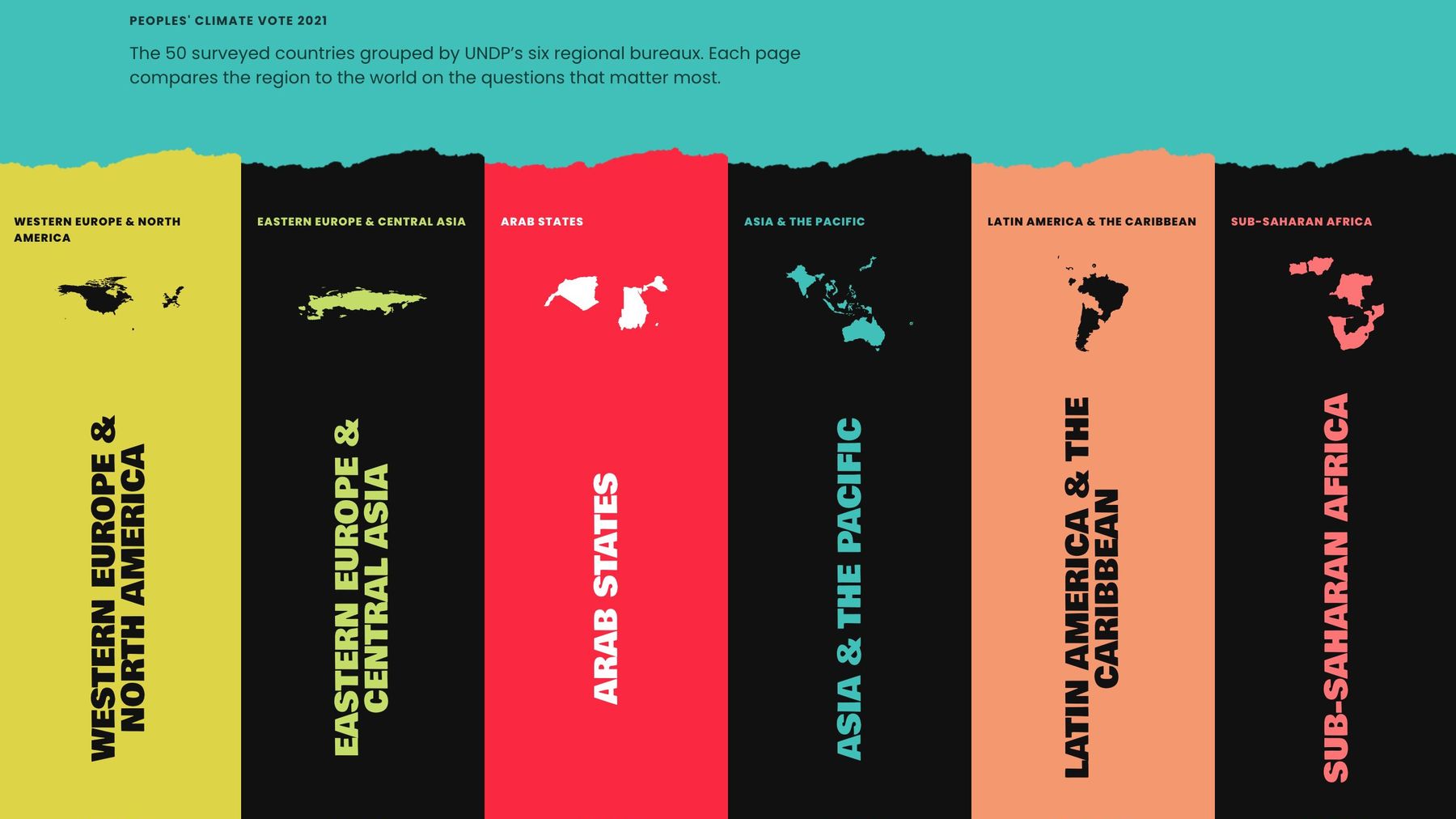
Holding a view also means ruling things out, and the Peoples' Climate Vote is a good example. The vote is a global poll on climate change, run by the United Nations Development Programme with the University of Oxford. Its results had been published as a report, and the website we were asked to design was meant to replace it. We showed three design directions. The UNDP team chose the one we called the art of protest: black, yellow and teal, torn paper edges, a heavy display face and duotone photographs of real people.
The reasoning was a point of view about what the vote is: a protest in numbers rather than a publication. That one judgement decided the colours, the type and the photographs, and it ruled out the look of a tidy report.
You probably already hold one
You usually don't have to invent a point of view. You have to notice the one you already act on. The thing you believe about good work that makes you roll your eyes at how others do it: that's your position, half-formed.
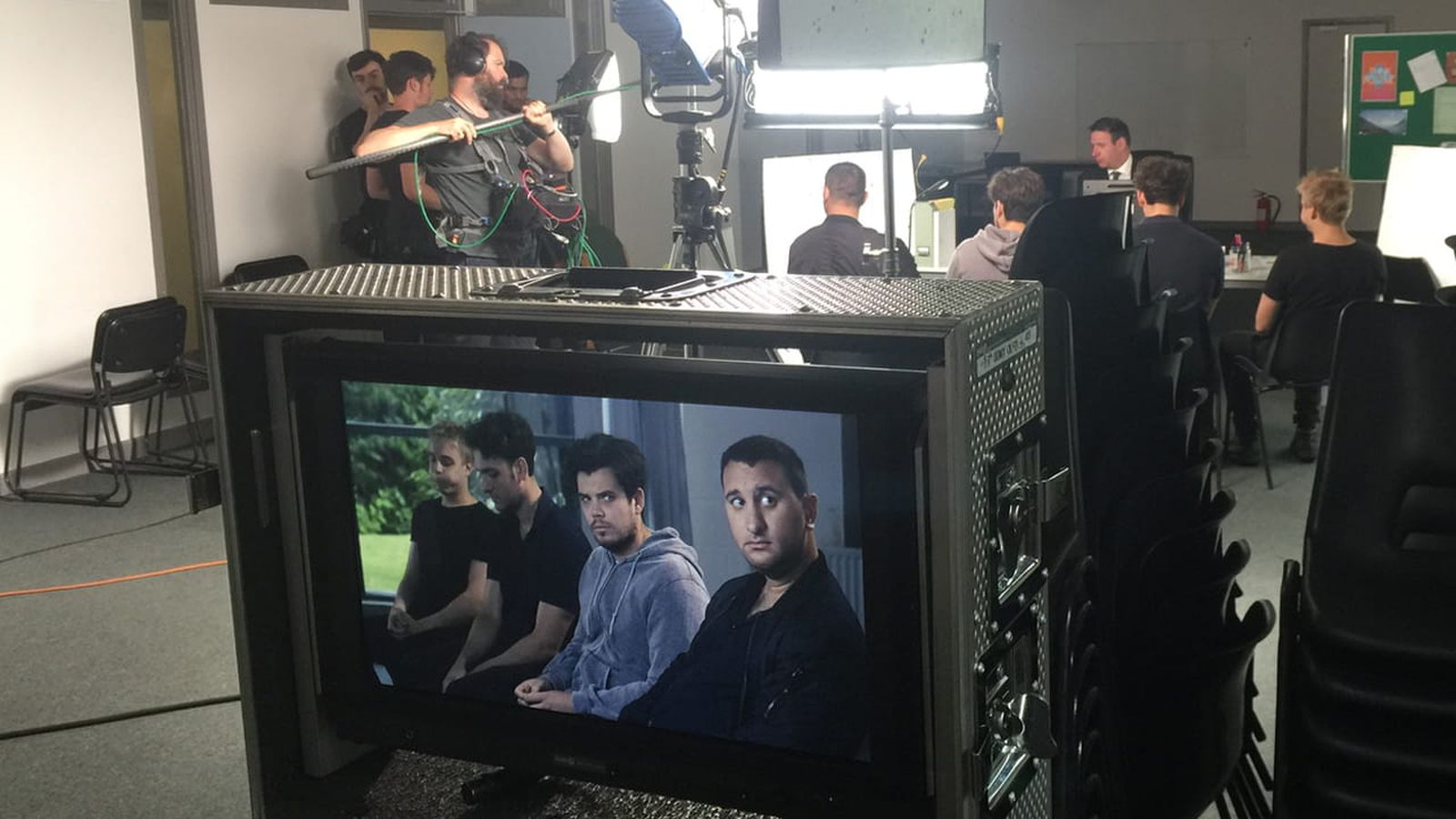
A useful place to look is what everyone else in your field says, and what they leave out. When the Gangmasters and Labour Abuse Authority and three corporate partners wanted a film to raise awareness of modern slavery across UK business, we began by looking at the media already out there. Most films talked about the signs of slavery. Very few said what to do once you had decided to take the next step, safely for everyone involved. That gap became the starting point for the concept, and for the film we made.
The same move works for any organisation. Your point of view is often sitting in a gap like that.
- 01Listen for the eye-roll
Ask your team what others in your field do that they think is lazy, wrong or beside the point. Write down their words, not a tidied version.
- 02Look at what you turn down
The work you refuse and the shortcuts you won't take usually point straight at what you believe.
- 03Ask the people who chose you
Customers, supporters and partners often name your difference more clearly than you do.
- 04Write one sentence someone could disagree with
Plain enough to say out loud in a meeting, specific enough that a competitor couldn't sign it.
- 05Check what it costs
Name who it would put off. If the answer is nobody, keep going.
Say it, then prove it
A point of view that lives only in a strategy document does nothing. It has to show up in what you do, or it becomes one more claim.
Ours sits on our homepage: "We start with people. Always." It only means something because we act on it. For HCML, that meant starting with a behavioural study into how intermediaries choose a corporate health provider, then letting what we learned shape everything that followed, the identity included.
I’ll be honest, plenty of agencies promise they’ll get to know your business. Ideate actually did it. They started with our customers rather than our logo…
A stance that invites doubt needs evidence close behind it. Anthony Collins Solicitors calls itself a social purpose law firm, which is a view about what a law firm is for. It backs that view every year with a social impact report that quantifies the claim. The firm didn't want to seem imperious, so the evidence had to feel friendly as well as professional. We helped move a lengthy printed report into an interactive one, with short, punchy messaging, inviting statistics, film, photography and animated infographics.
Proof doesn't have to be grand. A page that explains your method, a real person's profile or one honest example can carry a stance further than any slogan. Our piece on marketing to a sceptical buyer looks at the kinds of evidence careful people believe.
Commit, then carry it everywhere
Name it, commit to it, and let it sort your market into people who want exactly that and people who don't. Both outcomes are useful. Only the beige middle isn't.
Then carry it everywhere: the homepage headline, the sales deck, the proposal, the way the phone is answered. Much of that is careful copywriting, and it's where a point of view starts to become a brand.
If you'd like help finding yours, it's where our brand strategy work begins. As a full-service, human-centred design agency, we start with research, shape a stance you can test with real people, then build the brand, website and marketing around it. Get in touch and we can talk it through.
Common questions
Won't a strong point of view put people off?
Some, yes, and mostly people who wanted something you don't offer. It's a trade worth making. A smaller group who agree strongly is worth more than a crowd who feel nothing either way.
Does a point of view have to be controversial?
No. It doesn't need to be loud, political or provocative. It needs to be a real judgement about your work that a sensible person could disagree with, and one you'd keep to when it costs you.
How is a point of view different from our values?
Values describe how you behave, and most lists look alike: honesty, quality, respect. A point of view is a judgement about how the work should be done, or what matters most. Values rarely give anyone a reason to choose you. A point of view often does.
Is a point of view only for businesses?
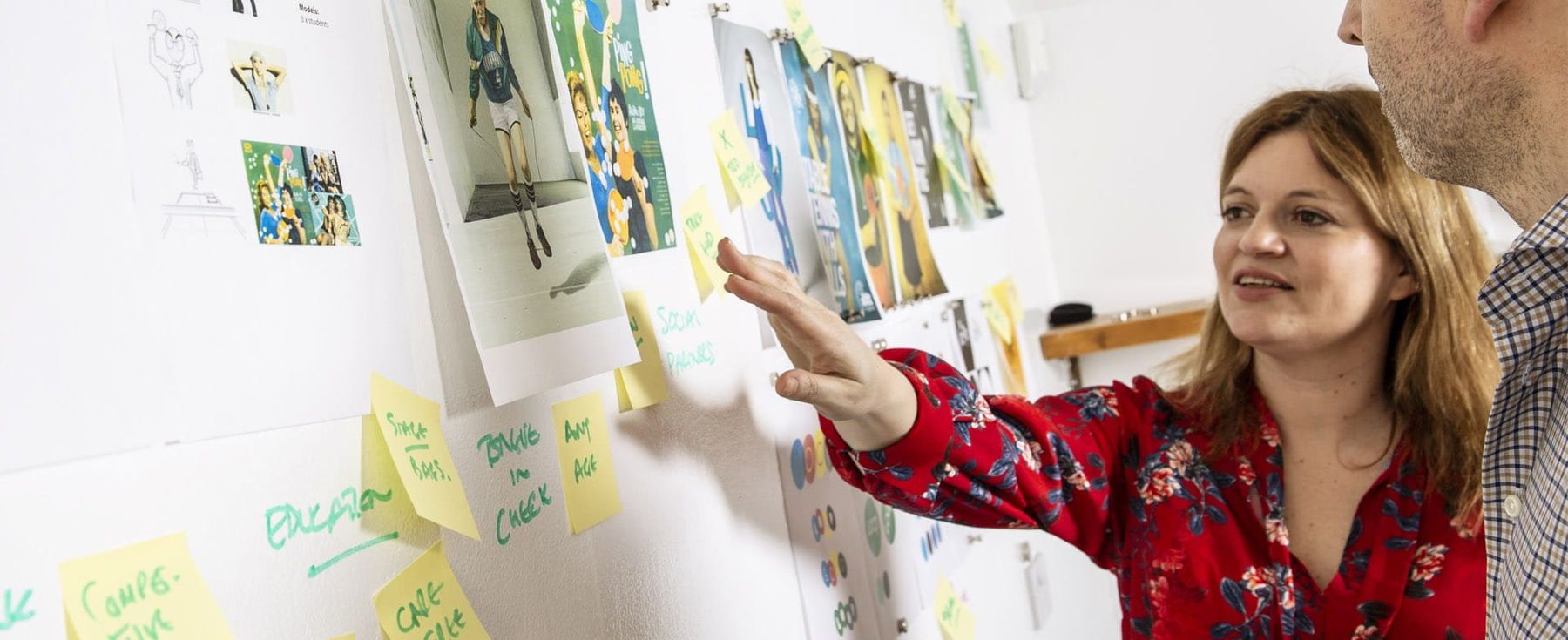
No. A charity, a public body or a sport's governing body is still asking people for their time, money or trust. The Peoples' Climate Vote and the GLAA film above both started from one. So did Loop, the brand we created for Table Tennis England, pictured at the top of this article. The brief was to take ping pong to the masses, so the brand had to carry the joy of the game and a sense of inclusion.