In this article
A marketing strategy is the plan for how an organisation wins the people it most needs, whether they are customers, clients, donors, members or the people who use a service. It decides who those people are, how they make decisions, what you need to say to them, and which few channels and activities deserve your time and budget. It turns marketing from a list of things to do into a set of choices.
This guide sets out a practical way to build one, step by step, with examples from our own work. Ideate Partners is a full-service, human-centred design agency, working with every kind of business, with charities and with the public sector. The discipline is the same for all of them. What changes is who decides, and how.
Why does the way people decide change the strategy?
People do not all choose in the same way, and that changes what marketing has to do. A quick personal choice needs marketing that is clear and easy to act on at the moment someone is looking. A considered purchase needs marketing that explains the offer, helps people make the case to colleagues and stays credible for weeks or months. Either way, clarity and trust matter more than volume.
| What changes | Buying for yourself | Buying for an organisation | Giving to a cause |
|---|---|---|---|
| Who decides | Usually one person, or a household | A group: whoever finds you, the budget holder, the people who will use it, sometimes procurement | Usually one person, sometimes with their family |
| How long it takes | Often minutes or days | Often weeks or months | Often a moment for a one-off gift, more thought for a regular one |
| What is at risk | Their own money | The budget, and their standing with colleagues if it goes wrong | Whether their money does the good they hope |
| What they need from you | A clear reason to choose you | A clear reason, plus proof they can pass on | A reason to care, and confidence the gift is well used |
You can see the difference in real briefs. For water2business, launching into a newly opened water market, the message had to matter to a busy Finance Director or Facilities Manager. For HCML, the intermediaries we interviewed rely on suppliers to back up what they recommend to their own clients. In both, people were choosing on someone else's behalf, an employer or a client, and it showed in what they needed.
What should a marketing strategy include?
A useful strategy covers seven things, and none of them needs more than a page.
| Part | The question it answers | A sign it is missing |
|---|---|---|
| Goals | What does the organisation need marketing to achieve? | Marketing is judged on activity, because nobody agreed what success looks like |
| Who you need to reach | Which people or organisations, and who among them influences and decides? | Everything is written for "everyone" or "businesses like yours" |
| How they decide | What do they ask, worry about and check before choosing? | Your team hears the same question every week, and marketing never answers it |
| Positioning and message | Why you, in their terms? | Your homepage could belong to anyone in your field |
| Channels | Where will you show up, consistently? | A little of everything, nothing for long |
| Content and campaigns | What will you publish, and what job does each piece do? | Content gets made because the calendar says so |
| Measurement | What will you track, and how often will you review it? | Reports full of numbers, and nothing changes |
If positioning feels shakiest, start there; everything else depends on it. We explain what brand positioning is and how to find yours in a separate guide.
How do you build a marketing strategy, step by step?
Six steps, in this order. The order matters: many expensive mistakes come from choosing channels before the message is right.
Step 1: Start from the goal
Marketing should serve the organisation's plan, not run alongside it. Agree the goal with the people who own it, whether that is revenue for a business, income for a charity or take-up of a public service. "More leads" is not a goal; "ten more qualified conversations a quarter with operations directors in our sector" is. So is "two hundred more regular donors by the spring". We say more about why "we need more leads" is usually the wrong brief.
A good goal names who, how many and by when. That is most of what people mean by a SMART goal: specific, measurable, achievable, relevant and time-bound. It also tells you what to ignore. If the goal is bigger clients in one sector, a flood of small enquiries from everywhere else is not success.
Step 2: Understand how people really choose
Most organisations assume they know. The useful version comes from evidence, and we look in three places: what the organisation tells us, what the data shows about how people find and use your website, and what the people you want to reach say in interviews. The third is the one most often skipped, because it takes time and the answers can be uncomfortable. It is also the one most likely to change the plan.
When we interviewed the solicitors and insurers who choose Bush & Co, the same themes kept coming back. Relationships were built on the quality and personality of the case managers. Solicitors searched by geography first. And they were cautious by nature, and needed a push to try someone new. Those findings changed the focus of the website, and led to a consultant finder built on a map.
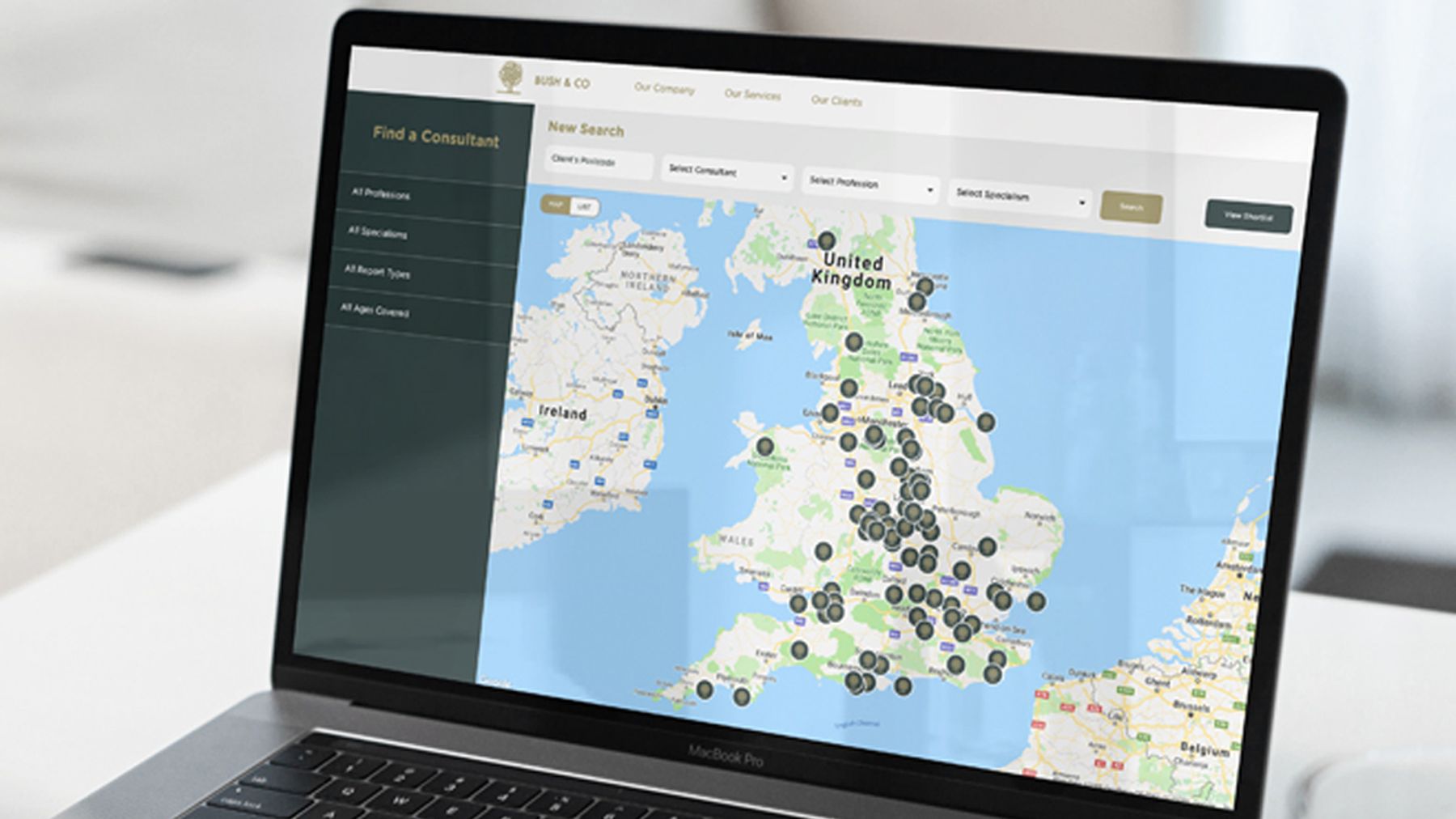
That is human-centred design in practice: the answer comes from the people who choose, not from anyone's taste, ours included. You can start small. Ask someone who went elsewhere why they did, then talk to three or four people who recently chose you.
Step 3: Get the message right before the channels
If people cannot quickly tell what you do and why it matters, more traffic will not help. Fix the homepage headline, the core message and the proof behind it first. A clear brand strategy makes every channel work harder.
The test is simple. After a minute on your website, could someone explain what you do to a friend or colleague in one sentence? If not, every pound spent on reach takes people to a page that loses them. Then read how three or four competitors describe themselves, and look for what only you can say.
For Anderson Group, a global outsourcing and payroll business, the audience had little time or interest in the subject. Workshops with the senior team came first, to shape the products into an offer that made sense to the people using it. The website, films and animations followed.
A message also has to land with each audience in its own setting. Table Tennis England, the governing body of the sport, wanted to take ping pong to workplaces, universities, sports clubs and cafes. Once the Loop brand had a face, we made a photographic story for each setting, covering offices, bars, sports clubs and education, so one idea could speak to very different people.

Step 4: Choose fewer channels, and do them well
Most organisations do better with two or three channels done consistently than with eight done occasionally. Choose them because the people you want to reach already look there, not because a competitor is there. That is a question for research rather than fashion.
| Channel | Good for | Needs first |
|---|---|---|
| Search | People looking for what you do, right now | Pages that answer the questions people ask |
| Your website | Where almost everyone ends up, whatever brought them | A clear message and an easy next step |
| LinkedIn and social | Staying visible to a defined audience | Something worth saying, regularly |
| Paid campaigns | Testing messages quickly, reaching a narrow audience | A landing page ready for the traffic |
| Staying in touch while people decide, and afterwards | People who have asked to hear from you | |
| Events and PR | Credibility, and the right people in the room | A point of view worth discussing |
| Sales tools | Helping your team, and your buyer's team, make the case | The same story your website tells |
The right mix depends entirely on the audience. Juju, a new brand of jelly shoes, needed to reach women aged 16 to 25. Its campaign used social networking pages and online radio, and a roadshow: an ice-cream van turned into a Juju-mobile that visited festivals across the UK. Retailers, the second audience, were reached through events, PR, advertising and point of sale.
HCML's intermediaries were somewhere else. They told us they turn overwhelmingly to LinkedIn for credible content to share onward, and want to hear from a provider all year round rather than be bombarded. So the plan became a year of content: a LinkedIn calendar, segmented email programmes, landing pages and lived experience storytelling.
That insight then ran through everything, from our messaging and LinkedIn content to the new website and case manager search tool.
Sales tools are where a strategy meets the people who sign. For HCML, the new brand carried into streamlined sales decks, info packs, infographics and an exhibition stand.

Step 5: Plan content around people's questions
Write down the questions people ask at each stage. Each one is a page, a guide, a case study or a sales tool. That list is your content plan.
- When they first notice a need. Is this worth doing? What are others doing? Guides and plain answers to search questions.
- When they compare options. Who does this well? What could go wrong? Case studies and honest guidance on price.
- When they are close to deciding. Can I justify this? What happens next? Proposals, references, and your team's best answers, written down.
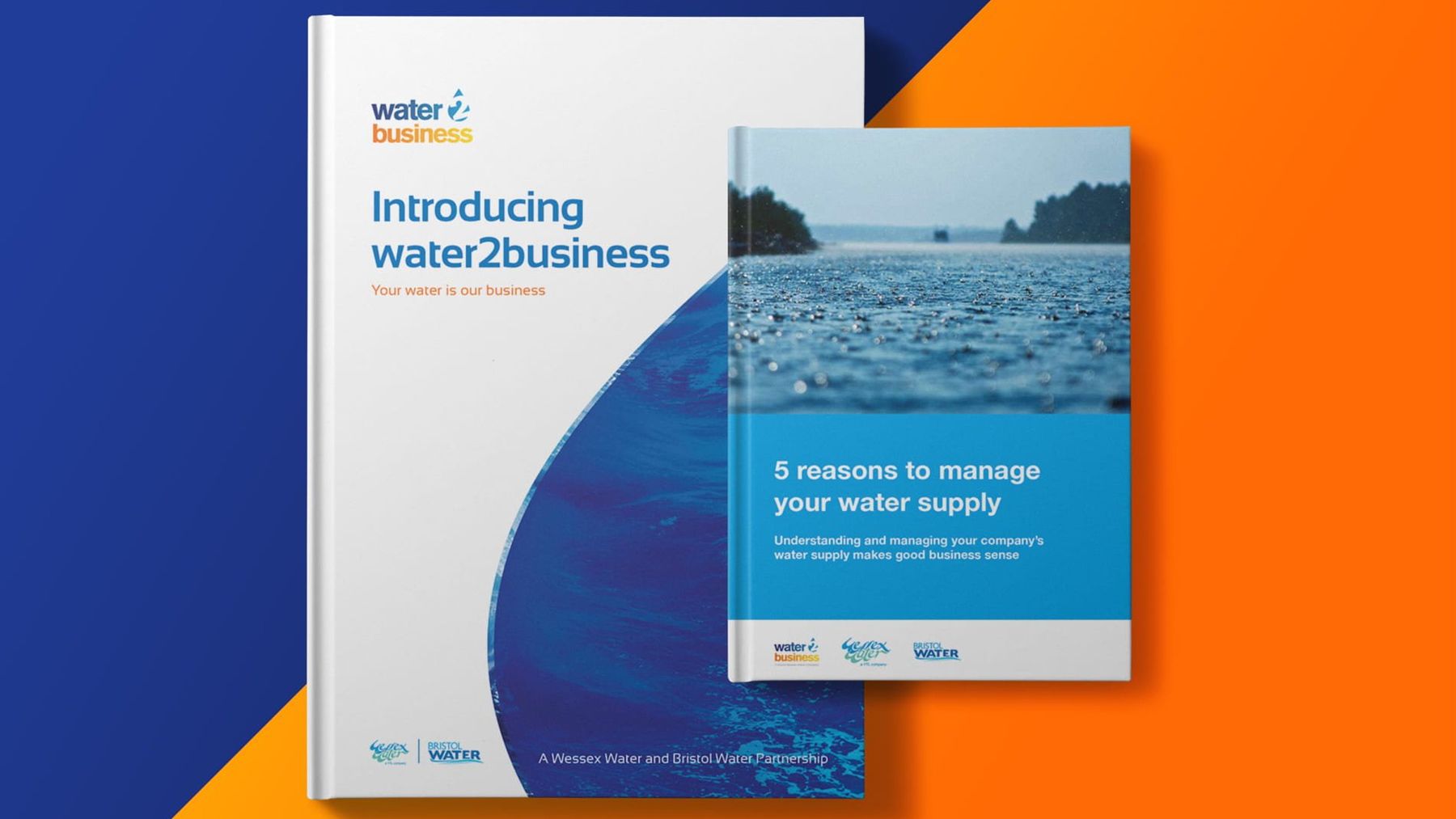
For water2business, businesses could choose their water supplier for the first time. So the content explained the regulation changes simply: an info hub on the website, campaigns for the sectors most affected, and seminars whose discussion points became a white paper.
Step 6: Measure what matters, and adjust
Track the things linked to the goal: qualified enquiries, sales, sign-ups or donations, and the pages and channels that lead to them. Review monthly. Keep what works, change what does not, and resist judging everything in the first few weeks.
Much of this costs nothing. Google Search Console shows which searches bring people to your site, from Google's own data, and Google Analytics shows what they do next. Add "how did you hear about us?" to your enquiry or sign-up form and most smaller organisations have what they need.
What are the common marketing strategy mistakes?
Starting with tactics. "We should be on TikTok" before "who are we trying to reach?" is the most common mistake we see.
Talking about yourself. Features and credentials, when people want to know whether you understand their problem.
Spreading too thin. Lots of activity, little momentum. Scattered marketing is often a sign of a missing strategy rather than a missing channel.
Forgetting everyone else in the decision. In a considered purchase, the finance director and the end user need different reassurance from the person who found you.
Measuring activity instead of impact. Posts published and emails sent are not results.
Who should own the strategy?
Someone senior enough to connect marketing to the organisation's plan. In a smaller business or charity that may be the managing director or chief executive with outside help; in a larger one, a marketing lead. Whether to build that capability in-house or bring it in is a question of its own, and we have written about agency versus in-house.
Some organisations bring in help to build the strategy, then run it themselves. For Sayfa Systems, once the brand strategy and guidelines were in place, we built templates for brochures, case studies, e-shots and newsletters so their own team could carry on. Others hand over more: for water2business we handled every part of the marketing and communications. Our marketing consultancy suits the first model, and our full-service marketing and design work the second.
A one-page marketing strategy template
Write these three first.
- 01Write the goal
The result the organisation needs from marketing in the next year, with a number and a date.
- 02Name who you need to reach
The people, or the type of organisation and the person inside it, you most need to win.
- 03Choose the message
The one thing you want them to remember, in their words rather than yours.
If those are clear, add a line or two for each of the seven parts in the table above, and you have a first draft. If they are not, that is the first job.
For a second pair of eyes, our free marketing audit reviews your website and marketing and comes back with three things you could fix this month. No pitch, no tie-in.
Common questions
How long should a marketing strategy be?
Short enough to use. A few pages covering goals, audiences, message, channels and measurement is usually enough. Supporting detail can sit behind it.
What is the difference between a marketing strategy and a marketing plan?
The strategy is the set of choices: who to win, what to say and where to show up. The plan is the activity that follows: what happens each month, who does it and what it costs. Tactics are the single pieces inside the plan, such as a campaign, an event or an email. The plan changes often. The strategy should only change when the organisation or the market does.
What are the main types of marketing strategy?
The phrase is used for two things: the overall strategy, which this guide covers, and the approaches you choose within it. The common approaches are content, search, social media, email, paid advertising, events and PR, and partnerships or referrals. The right ones are wherever the people you need already look, as the examples in step 4 show.
What is a target audience in marketing?
The particular people you most need to win, described by what they need and how they choose, not only by age, sector or job title. Most organisations have more than one: the people who use what you offer, and the people who recommend it, stock it or sign off the budget. Each needs something different from you, so name them separately.
What are the 4 Ps, 7 Ps and 5 Cs of marketing?
They are checklists. The 4 Ps are product, price, place and promotion, often called the marketing mix. The 5 Ps usually add people, and the 7 Ps add people, process and physical evidence, which matter most when you sell a service. The 5 Cs (company, customers, competitors, collaborators and context) are a way to sort your research before you decide. None of them makes the choices for you, but they help you check nothing is missing.
How is a marketing strategy different from a brand strategy?
Brand strategy decides who you are and how you want to be seen. Marketing strategy decides how you reach the right people and turn their interest into enquiries, sales, sign-ups or donations. Each needs the other, and our guide to brand strategy covers that side.
Is a marketing strategy different for a charity or a public body?
The parts are the same: a goal, the people you need to reach, how they decide, a message, a few channels and a way to measure. What changes is the goal and the decision. A charity may be winning donors, volunteers or the people it exists to help; a public body may need people to use a service or change what they do. For Safe Rugby, an e-learning tool we built for Barts NHS Trust, the audience was referees and medical staff at clubs across the UK, and the aim was to reduce injuries, neck injuries in particular.
How much should we spend on marketing?
It depends on the goal, the market and how long people take to decide. Start from what the organisation needs to achieve and work back to the activity and budget that would get it there. If the message is not yet clear, spend there first.