In this article
The riskiest kind of rebrand is the one that treats the existing brand as a blank slate. A new team arrives, the old identity looks tired, and the instinct is to start again from nothing.
Sometimes that’s right. More often it quietly throws away equity the organisation spent years building: the recognition, the associations, the reasons people already chose you. Whatever replaces it has to earn all of that from scratch. That’s as true for a restaurant or a charity as for a software business.
Why a blank slate is the risky option
Brand equity is what people already know and feel about you without being told: the name they search for, the colour they spot across a room, the one thing they’d say if a friend asked.
None of that lives in your files. It lives in other people’s memories, which is why it’s easy to underrate from the inside. Your team sees the logo every day and is bored of it. Customers see it now and then, and it’s how they find you.
So a good rebrand starts by working out what’s worth keeping. Not what you’re fond of, but what’s actually doing work for the people who matter.
What counts as an asset
The assets are rarely the things a board would list first.
| Asset | What it looks like | A sign it’s still working |
|---|---|---|
| The name | What people search for and recommend you by | New enquiries use it without prompting |
| A colour or mark | Something recognised at a glance | People describe you by it |
| A reputation for one thing | What you’re known to be good at | Referrals mention it in much the same words |
| Your people | The faces customers deal with | Customers ask for a person, not a department |
| A place or a story | Where you are, or where you came from | It comes up in reviews and conversation |
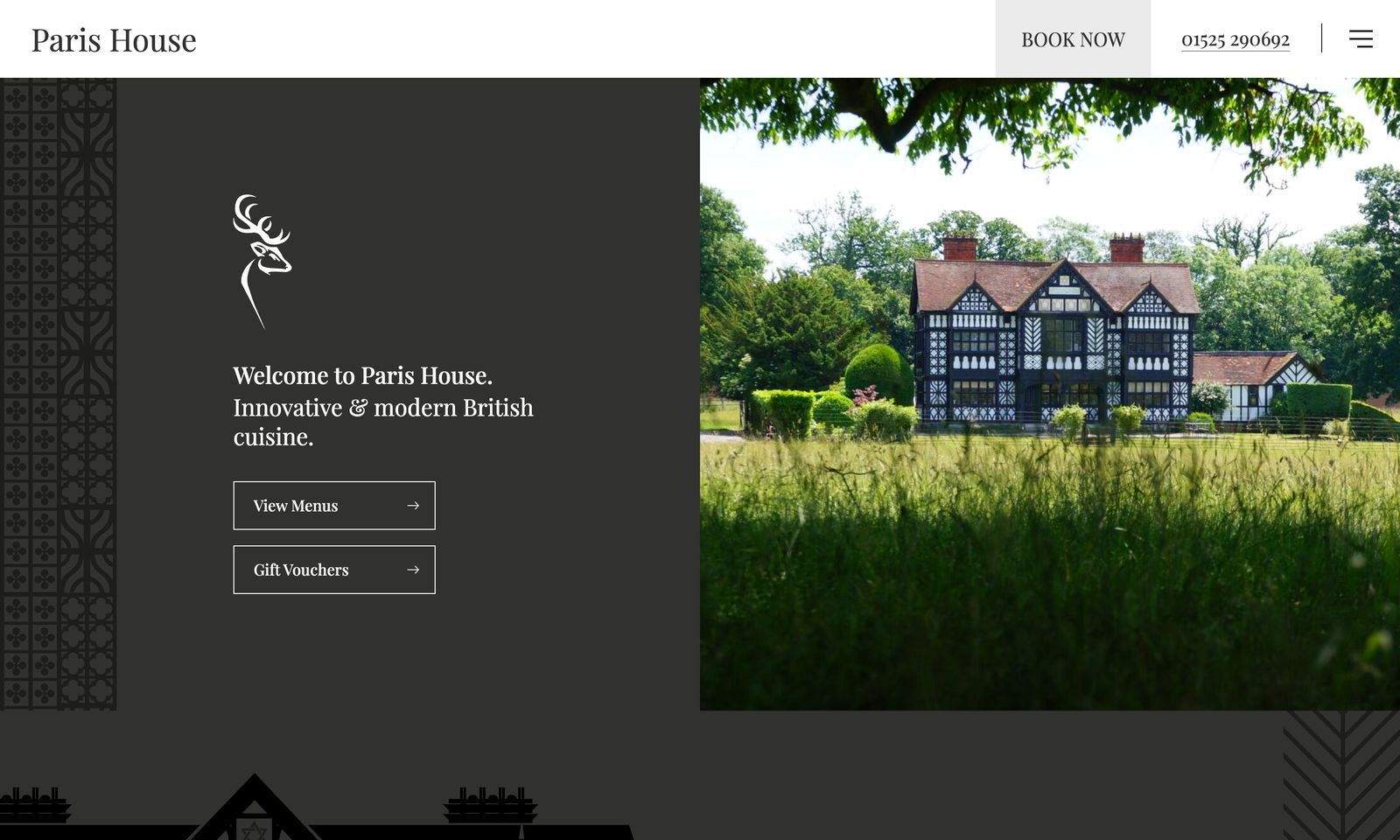
A place can be the strongest of the lot. Paris House is a fine-dining restaurant in Bedfordshire, set in 22 acres of deer park. When the owner asked us to review the brand, we didn’t need to invent a story. It was already there in the grounds, so the new logo became a stag.
Which parts are carrying you, and which are holding you back
The useful question isn’t “new or not?” It’s “which parts are holding the business back, and which are carrying it?” Usually the answer is mixed. The positioning may be dated while the name is strong. The identity may be tired while the reputation is intact. At Ideate Partners we see the whole range.
- HCML had a respected name wrapped in a corporate identity that no longer told the story. The name was well established, so the work went into sharpening the identity, positioning and straplines.
- Sayfa Systems had a tired brand but didn’t want to move far from its original logo. So we kept close to it, adding a suite of enhancements that modernised the brand without losing its hard-earned equity.
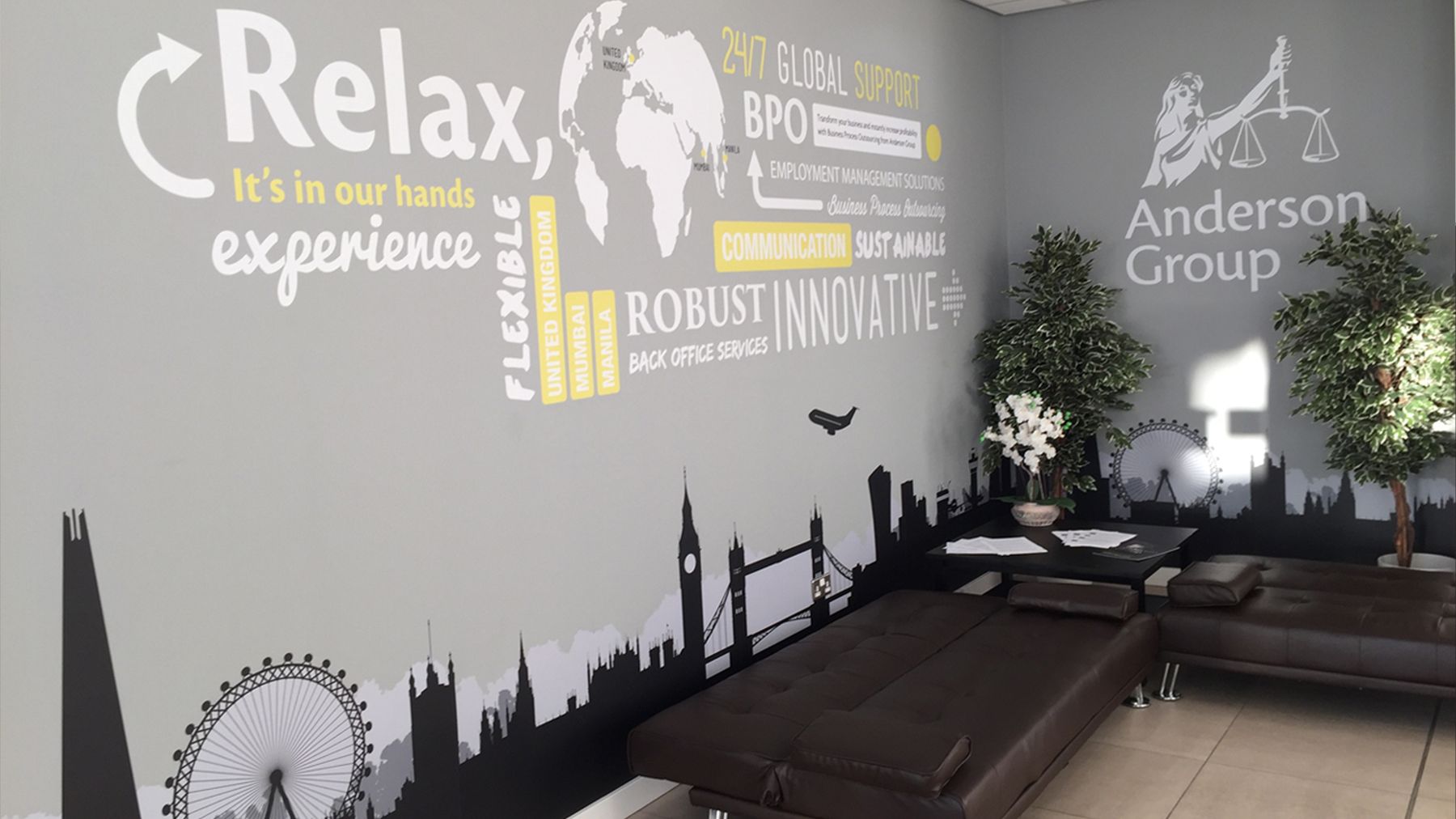
- Anderson Group had an offer so varied it risked losing the contractors and recruiters it served. We simplified the offer, evolved the identity and brought everything under the Anderson umbrella.
Sometimes the name really is the problem. Sava was National Energy Services, with several established brands, divisions and websites: strong on their own, confusing together. The answer was one new name, identity and strapline to tie them together. Keeping what works doesn’t mean keeping everything. It means deciding on purpose.
Before you decide what to change, decide what’s worth keeping. Most rebrands skip the second question.
Ask the people who matter, not the people in the room
You find out what’s worth keeping the same way you make any human-centred decision: by asking the people who matter rather than guessing. Customers, staff and partners, and for some organisations donors, members or the public. Ask what they’d miss if it went, and what they wouldn’t notice.
For Cambourne, a financial services firm advising private and corporate clients, the identity had started to look dated after ten years. We ran workshops and a client survey to understand what the company stood for and how its clients saw it. The new identity came out of that: strong, simple, and built to convey a direct and honest approach.
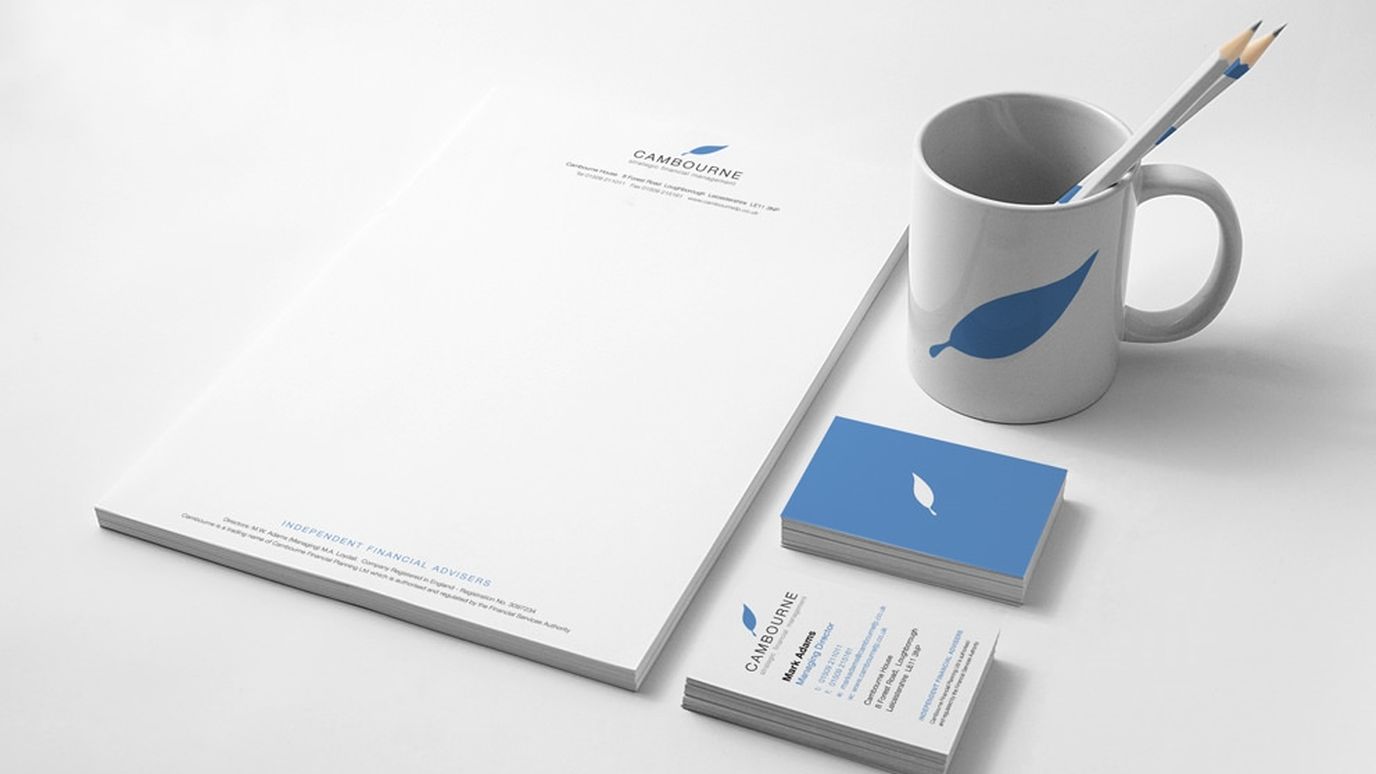
That leaf has lasted. It still heads the website we rebuilt for Cambourne in September 2026.
Often the research points at people rather than pictures. Intermediaries told us that for HCML, relationships are everything, and that shaped a year of content and communications. Solicitors and insurers told us that at Bush & Co, the case managers were king, so the website put them first: a consultant finder built on a map, and CVs reworked to bring each consultant’s experience to life.
Ideate’s branding programme uncovered, challenged and delivered key insights to create a clear positioning and creative direction for the company.
A simple way to sort what stays from what goes
- 01List everything people recognise
The name, colours, marks, phrases, places and people. Write it all down before judging any of it.
- 02Ask the people who choose you
Ask what they’d miss and what they wouldn’t notice. Keep their words, not your summary.
- 03Sort into keep, sharpen and replace
Most things land in the middle. A strong name with a dated logo is a sharpen, not a replace.
- 04Test against where you’re going
Keep what fits the organisation you’re becoming, not only the one you’ve been.
- 05Change the rest, and say what stayed
When you launch, tell existing customers what hasn’t changed as well as what has.
Protecting what works through the launch
Then make sure the roll-out doesn’t lose it.
- Keep the name findable. If a web address changes, redirect every old page to its new home, so the search visibility you’ve built carries across. Plan it at the start of a website redesign, not the week before launch.
- Make consistency easy. For Sayfa we rolled out templates for brochures, case studies, e-shots and newsletters, so the team could carry on with its own marketing without drifting.
- Spend where the gap is. Pure Resourcing Solutions, a recruitment consultancy in East Anglia, had a strong brand and a good local reputation, but no real digital presence. We enhanced the logo rather than replacing it, then built a website and digital strategy around it.
So treat a rebrand as an edit before a reinvention. Keep the bits that are quietly winning, fix the bits that are losing, and you get a brand that feels new without making your existing customers feel they’ve lost the organisation they chose.
If you’re weighing one up, our rebranding and brand strategy pages explain how we work, and what brand strategy is covers the thinking behind it. We’re always happy to talk it through.
Common questions
Should we change our name?
Only if the name itself is causing the problem. A name people trust and search for is often the most valuable thing you own. Changing it makes sense when it no longer fits what you do, when it’s easily confused with someone else’s, or when several names are splitting attention, as they were for Sava.
Is a refresh cheaper than a rebrand?
Usually. Every sign, document, page and profile that carries the brand has to change with it, so the more you keep, the less you redo. The thinking isn’t optional either way: working out what stays takes the same care whatever the answer.
Does this apply to charities and the public sector?
Yes, and often more so. A charity’s name may be what donors and volunteers trust, and a public service’s may be what people look for when they need help. Find out what they rely on before you change it.