In this article
A marketing agency is an outside team that plans and delivers marketing for other organisations. Depending on the agency, that can mean strategy, branding, websites, content, search, social media, advertising, PR and campaigns. Organisations use one to get skills, experience and capacity they do not have in-house, without hiring a whole team.
Agencies vary a great deal, so once you know what a marketing agency is, the more useful question is what kind you need, and for what.
What does a marketing agency do?
Most of what agencies do falls into three kinds of work.
Thinking. Understanding your organisation, your market and the people you need to reach, then deciding what to say and where to focus. This covers marketing and brand strategy, positioning, messaging, and audience and competitor research.
Making. Turning that thinking into things people see and use: brand identity, websites, landing pages, sales decks, campaign creative, content, film and photography.
Running. Putting it in front of the right people and improving it over time: search, paid advertising, social media, email, PR and events, with reporting on what is working.
Some agencies do all three. Many specialise in one, or in one part of one. What matters is where your problem sits.
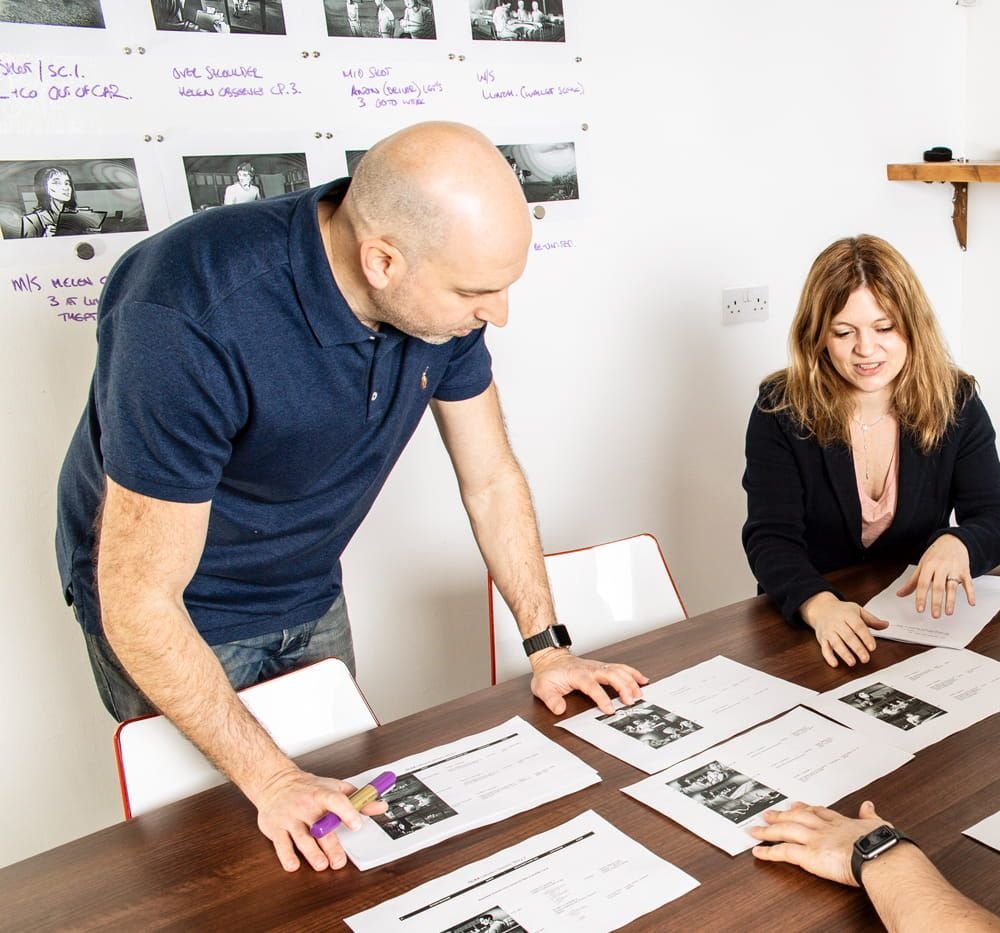
In practice the three run together, and one piece of thinking ends up in a lot of places. When Table Tennis England wanted to take ping pong into workplaces, universities, sports clubs and cafes, the work started with a brand, Loop, and its mission, vision and values. From there came guidelines, a set of photographic stories for each audience, a launch film and PR toolkits for the people rolling it out.

What are the different types of marketing agency?
Agencies describe themselves in several ways. Roughly:
| Type | What it focuses on | Worth a look when |
|---|---|---|
| Full-service | Strategy, creative and delivery across most channels | You want one team to own the thinking and carry it through everything |
| Digital marketing | Online channels: search, paid media, social and email | The message is sound and you need more of the right people to see it |
| Brand or branding | Strategy, naming, identity and how the brand is expressed | The organisation has moved on and the brand has not |
| Creative | Ideas and campaign creative | You need an idea people notice and remember |
| Specialist | One discipline, such as SEO, paid search, social media, content, PR or web development | You know exactly which gap you need to fill |
| Media | Planning and buying advertising space | You spend a lot on advertising and want it placed well |
| Sector | One field, such as healthcare, technology or charities | Your market has rules or buyers that take time to learn |
A marketing consultant or consultancy sits close to the strategy end. They help you decide what to do, and may deliver it or work alongside your own team.
Two labels are worth a closer look. Full-service tells you what an agency can make. Human-centred tells you how it decides what to make: by starting with the people who will use, buy or support the thing, through interviews, observation and testing, rather than with its own taste. We are both, and the second matters more. Without it, a full-service agency can make a lot of confident work that nobody needed. More in human-centred design and behavioural design.
Agencies also describe themselves by who they serve: business buyers, consumers, charities or the public sector. The basics carry across. We have designed for a finance director weighing up a new water supplier, a young woman choosing her summer shoes and a rugby referee learning to prevent neck injuries. All three need to understand what is on offer, and trust it. What changes is how the decision gets made: who is involved, how long it takes, and what they fear getting wrong. A good agency adapts to that rather than bringing one playbook to every client.
Why do organisations use a marketing agency?
The usual reasons are practical.
Skills you do not have. Good marketing now covers strategy, design, writing, search, data, film and more. Few organisations can hire all of that in-house, and fewer can keep it all busy.
Experience. An agency has seen similar problems in other organisations and markets, and can spot patterns you are too close to see.
Objectivity. An outside view is often better at saying what people inside already suspect.
Capacity. Extra hands for a launch, a rebrand or a campaign, without permanent headcount.
Pace. A team that has done this before usually moves faster than one learning as it goes, though the thinking still takes the time it takes.
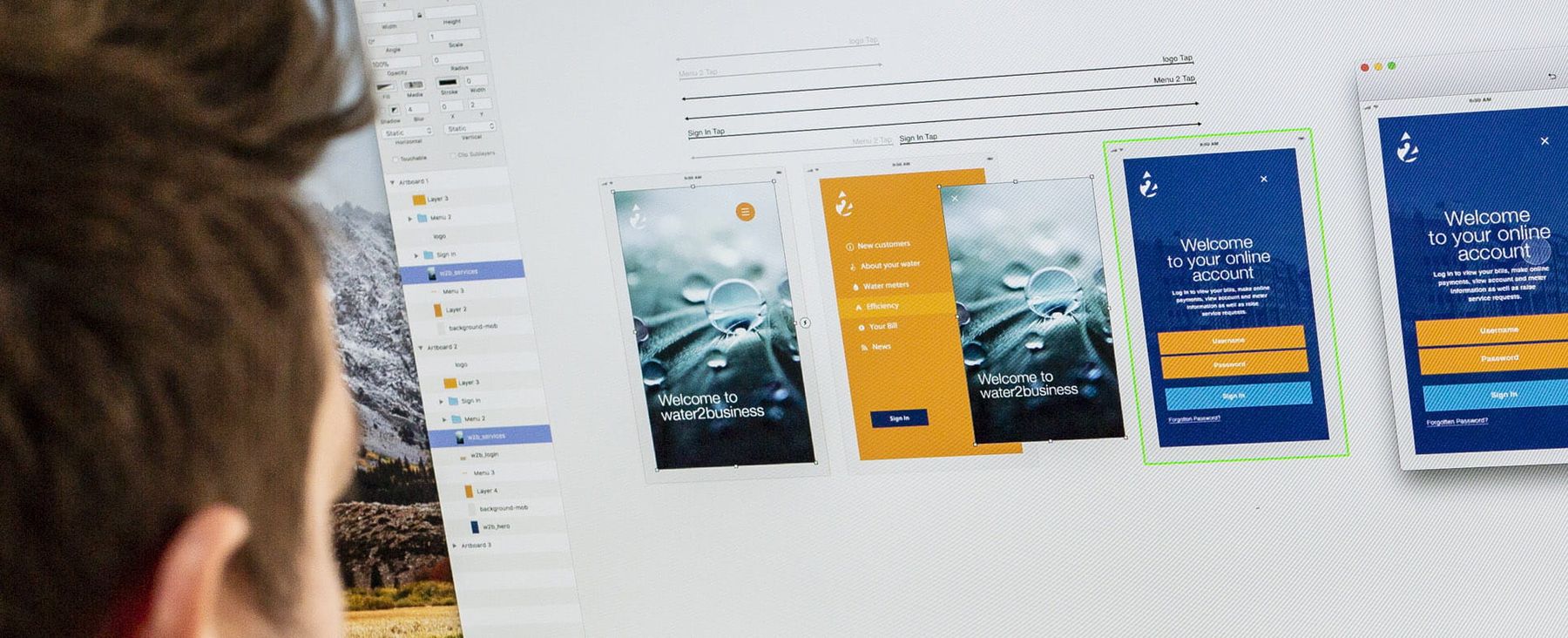
Sometimes the reason is simply that marketing is new. When Wessex Water and Bristol Water set up water2business to compete in a newly opened market, the brand and the proposition had to be created from scratch, and then run.
Ideate were incredibly strategic and able to offer real insight into the strange world of marketing which was new to our fledgling business.
Whether an agency beats building your own team depends on your situation. We weigh it up in marketing agency or in-house team.
An example: full-service, start to finish
Full-service is easier to show than to define. For water2business we made the brand identity and the proposition first. Then came the strategic plans, social media and e-shot campaigns, and a website that explained the change in regulation, with an info hub where businesses could find balanced information. Alongside that ran the PR: sustainability seminars across the South West with South West Business, and editorial, films, animations and infographics for the sectors most affected.
Underneath it all sat one job: making water supply matter to a busy finance director or facilities manager.
The case for one team holding all of that is consistency. The seminar, the brochure and the website come from the same thinking, so they say the same thing. The case against is that no agency is equally strong at everything. A good full-service agency will tell you when a specialist would serve you better, and work alongside them.
How does working with a marketing agency usually work?
Most relationships follow a similar shape, whatever the size of the job.
- 01Discovery
The agency learns about the organisation, its goals, its market and the people it needs to reach. Good agencies ask a lot of questions here, and talk to your customers as well as to you.
- 02Strategy
A plan for what to do and why, agreed with you before anything is made.
- 03Delivery
The work itself, in agreed stages, with chances to see and shape it before it is finished.
- 04Measurement
Reporting against the goals you agreed, and changes based on what is working.
Discovery is the stage most often rushed, and the one that decides the rest. Staffline, the largest provider of blue collar recruitment in the UK, wanted a website that put the candidate before the client. Discovery meant a six week audit of data and competitors, then workshops with clients and candidates. That gave a clear steer on what to build: job search at the heart of the site, designed for mobile first.
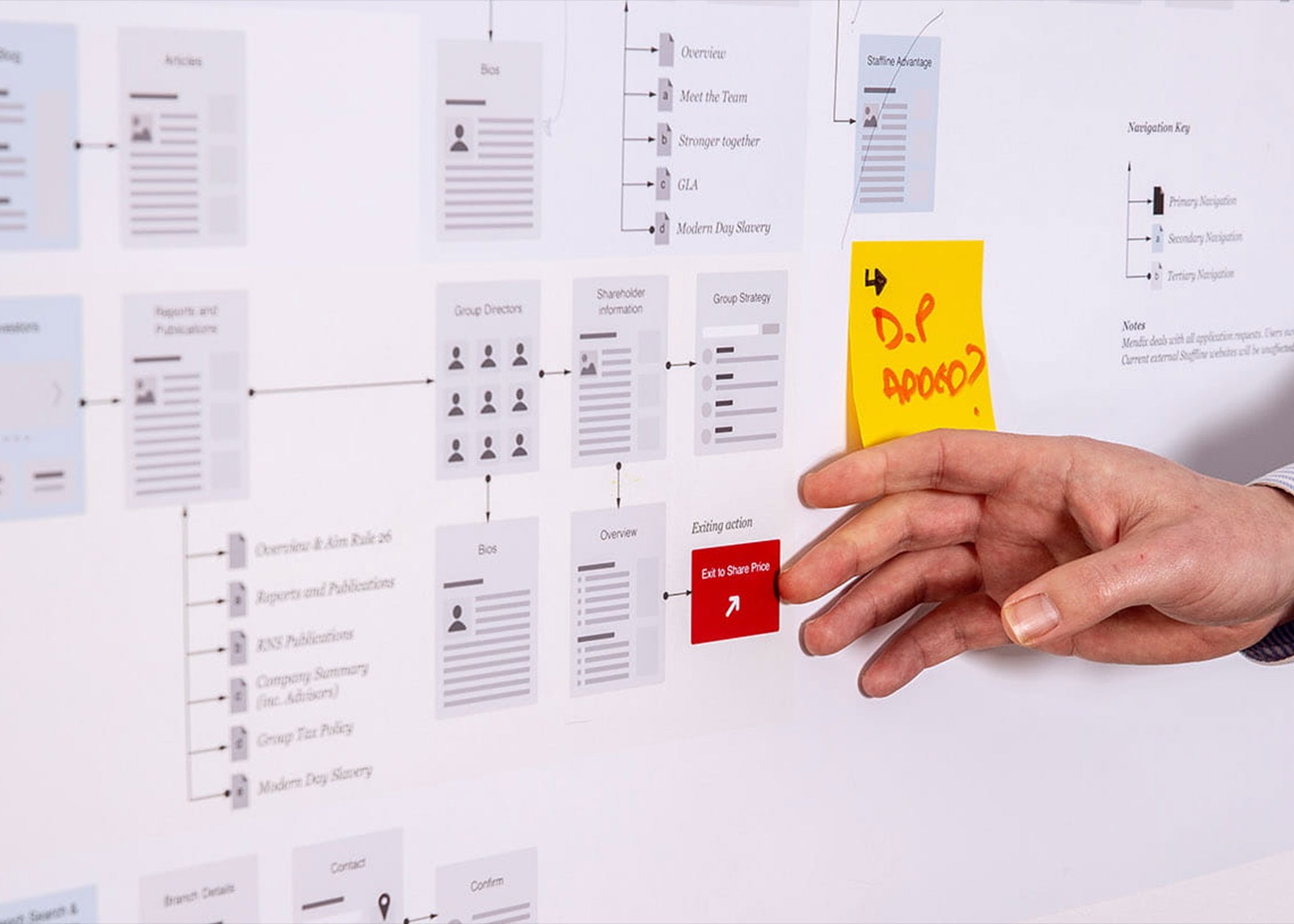
At HCML, discovery was a behavioural study into how intermediaries choose a corporate health provider. What came back shaped the identity, a year of content and communications, and two generations of website. You can see how we run each stage in how we work.
What should a marketing agency not do?
A good agency should not:
- Promise results it cannot control, such as guaranteed rankings or a fixed number of leads.
- Start with tactics before it understands your organisation and the people you need to reach.
- Hide the senior people after the pitch and hand you to someone junior.
- Sell you the channel it happens to sell, whether or not it suits your problem.
- Report on activity instead of impact. Posts published and impressions earned are not the same as enquiries, sales, sign-ups or donations.
How do you choose a marketing agency?
A few questions sort the field quickly.
What problem are you solving? If your offer is hard to explain, you need strategy and messaging before advertising. If the message is sound but nobody sees it, you need delivery.
Who will actually do the work? Meet them. Ask how much of their time you will get.
How will they know the work is right? Listen for research, testing and measurement, not taste and confidence.
Have they solved similar problems? Ask for examples in a market like yours, and what changed as a result.
How long do clients stay? Retention is hard to fake. It says more than awards.
Do you like working with them? You will spend a lot of time together. It matters.
The third question is the one most worth pressing on. An agency that starts with your customers will usually come back with something about them you had not seen.
I’ll be honest, plenty of agencies promise they’ll get to know your business. Ideate actually did it. They started with our customers rather than our logo…
Where to start
Before you speak to any agency, write down three things: the goal for the organisation, the people you most need to reach, and what you think is getting in the way. That page will help you brief agencies properly and compare their answers fairly. It often shows whether you need thinking, making or running first.
Ideate Partners is a full-service, human-centred design agency in Bedford: a small senior team, working across the UK. We do strategy, brand, websites and marketing for organisations of every kind: businesses large and small, charities and the public sector. Every project starts with the people you need to reach.
If you would like an outside view first, our free marketing audit reviews your website and marketing and comes back with three things you could fix this month. No pitch, no tie-in. Or get in touch and tell us what you are working on.
Common questions
What is the difference between a marketing agency and an advertising agency?
An advertising agency focuses on creating and placing adverts. A marketing agency usually covers more, from strategy and branding through to websites, content and digital channels, of which advertising may be one part.
Is a marketing firm the same as a marketing agency?
Usually, yes. People use both names for the same kind of business, so the label tells you less than what the team actually does.
What does a full-service marketing agency do?
It covers the whole job: the strategy, the creative work and running the channels, so one team can carry an idea from the first research to the last report.
Do small businesses need a marketing agency?
Not always. Some do well with one capable person in-house and occasional specialist help. An agency is most useful when you need skills or experience you cannot easily hire, or when marketing has stalled.
Do marketing agencies work with charities and the public sector?
Many do, and the principles are the same: understand the people you need to reach, then make it easy for them to act. Our own public sector work includes a film on modern slavery in the workplace for the Gangmasters and Labour Abuse Authority, and an e-learning portal on safe rugby for the NHS and RFU.
How long should you work with a marketing agency?
Long enough to see results and learn from them. Good relationships often last years, because the agency gets to know the organisation and the work improves as a result.