In this article
When someone buys for themselves there is no committee and no procurement form. There is a person, a spare moment and often a phone. They might be booking a doctor’s appointment or looking at kitchens on the sofa. They bring old habits, and doubts they rarely say out loud.
Much of the marketing aimed at them assumes the better argument wins. Often it doesn’t. People skim, compare, look for reassurance and take the easiest next step. Behavioural design starts there, with what people actually do and what stops them doing something new. When people buy for an organisation, the decision looks different, and our guide to that side of it covers it.
Habit is the real competitor
Often the main competitor isn’t a rival. It is what people already do.
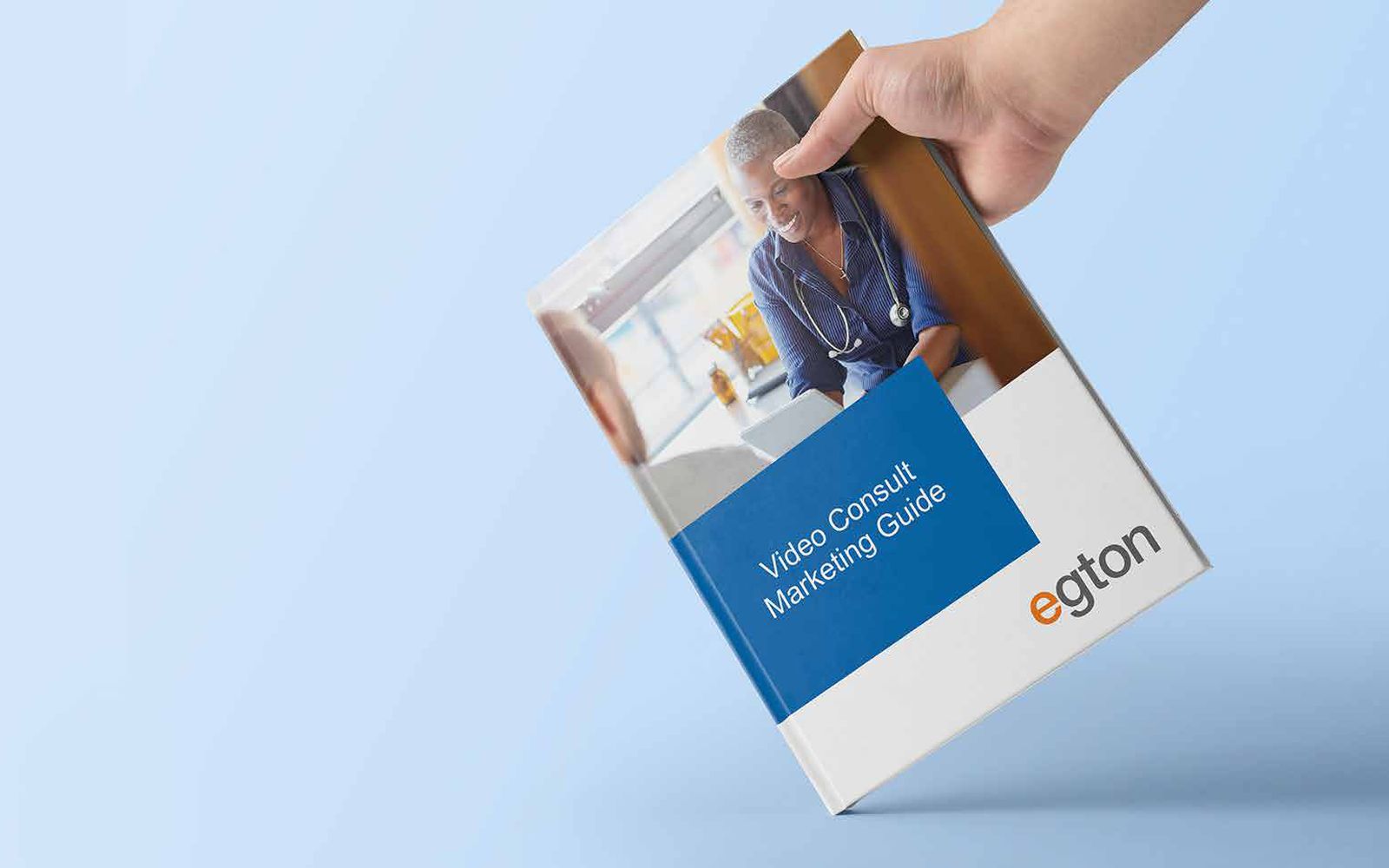
Emis Health, a provider of specialist software to healthcare providers, had two services that let patients consult their surgery without going in, one online and one by video. Our part was to get more patients using them. We started with behavioural design research: six interviews with patients, three with surgeries, and emailed questions to doctors.
Much of what patients told us was about habit. They looked up symptoms online, but trusted the NHS website first. None of them knew their surgery’s website address. They were open to using it, but had never thought to. Everyone was happy to try a video appointment, though only for minor or ongoing conditions.
None of that is resistance to the idea. It is a habit nobody had given them a reason to change.
What holds people, and what moves them
It helps to think of a change in behaviour as four forces. Two hold people where they are, and two move them on. People who use the jobs to be done lens call them the forces of progress.
| Force | What Emis Health patients told us | What helps |
|---|---|---|
| Habit | They trusted the NHS website first, and had never thought to use their surgery’s site | Put the new option where the old habit already happens |
| Worry about the new | Clear instructions from the surgery in good time mattered more than the technology, and so did how they would look on screen | Show it, explain it, say what happens next |
| Frustration with the old | They were tired of never seeing the same doctor and explaining it all again | Name it plainly, in their words |
| A reason to try | A service that kept a record of their enquiries was a real draw | Lead with that reason, not your full list |
It is tempting to work only on the last row. The first two are harder to see from inside a business, and they are often where a choice stalls. One patient put the worry plainly: “I would have to get my face made up.”
Find out what keeps people where they are before you tell them why to move.
Make the new thing the easy thing
Once you know the habit, work with it. One of the nudges we recommended for Emis Health was a default: for consultations that suit it, receptionists offer a video or online consultation first, and so does the phone message.
The idea is that patients still ring the surgery, as they always have, and only the first option they hear changes. Keep the habit, change where it leads. There is more on this in why defaults quietly decide more than your sales pitch.
Count the steps on a phone
Friction is any effort between wanting something and doing it. Nothing obliges a person choosing for themselves to finish, so every field, login and unclear button is a chance to say “later”.
Often that effort happens on a phone. Every patient we interviewed said they would use their phone for a video appointment, not a tablet or computer. Job seekers choose for themselves too. When Staffline’s candidates were struggling to find jobs through search engines and then to apply, we built a job search for the phone first, with a quicker way to apply and register.
A simple check: ask someone outside the project to do the main thing on your website, on their own phone, while you watch in silence. Count the taps. Why one clear call to action beats five goes further.
Reassure at the moment of doubt
Doubt rarely sounds like an objection. It sounds like “I’ll do it later”. The answer is usually more certainty, not more persuasion.
Two of the nudges we recommended for Emis Health aim at that doubt. Authority: material tied to the surgery and the NHS, so people feel in safe hands. Engagement: a laptop in the waiting room, so patients can see how easy it is. Neither argues. Both make the new thing feel safe and familiar before anyone has to try it.
Bigger purchases need the same certainty. The films we made for Anglia Interiors, a family run business that designs and fits kitchens, bedrooms and home offices, were shot in the showroom and in customers’ own kitchens. They talk through the choices every buyer faces: doors, handles, worktops, lighting. People can see how Anglia works, and the decision in pieces, before they book a design visit.
Social proof, used honestly
People choosing for themselves look to others like them. For Emis Health we recommended patient ambassadors to spread the word, and training for patient steering groups. The voices belong to real patients, not to the surgery talking about itself.
The honest line is simple: real customers, and say so when anything was given in return. Under the Digital Markets, Competition and Consumers Act 2024, submitting or commissioning a fake consumer review, or one that hides the fact it was incentivised, is unfair in all circumstances. A few genuine voices beat a page of praise nobody can check. Social proof that works covers where to put them.
Give something first
Reciprocity is the pull we feel to return a favour, and Robert Cialdini made it one of the principles in Influence, his 1984 book. It works in small ways. For Emis Health, one recommendation was a balloon for the children first, because parents are then more likely to take a leaflet.
It works for a brand too. The website we made for Maxell’s premium headphones carried a blog with the latest from the music industry: up and coming artists, albums, products and events. It gave people something worth reading, not only something to buy.
The honest version gives something useful with no strings. The dishonest one is a hook dressed as a gift, like a free trial that quietly turns into a subscription. Our free marketing audit is meant as the honest kind: three things you could fix this month, no pitch, no tie-in.
What to ask for, and what to check
Behavioural design isn’t tricks bolted on at the end. It is building the work around how customers actually behave. A leadership team doesn’t need the science, just the right questions.
- 01Ask what people told you
Research with the people who choose, in their own words.
- 02Ask what keeps people where they are
The habit and the worry, named before anyone writes a benefit.
- 03Ask what the default will be
What happens if someone does nothing, and whether you would recommend it.
- 04Try it on a phone
The main task, done by someone outside the project, taps counted.
- 05Check every piece of proof is real
Real customers, honest reviews, figures with a source and a date.
- 06Ask how you will know
What people do afterwards, measured, not what they said they would do.
The honesty test is simple. If you would be uncomfortable explaining a nudge to the customer’s face, don’t use it. Used well, behavioural design removes friction and confusion, and only points at things that are true. It won’t save a weak offer, and it shouldn’t try.
Our behavioural design work begins with customer research: talking to the people making the choice before anyone designs a thing. If it would help to talk it through, we are happy to hear what you’re working on.
Common questions
Isn’t this just manipulation with a nicer name?
Not when it is used honestly. Manipulation hides what it is doing and works against the person. Honest behavioural design takes effort and doubt out of a choice that is good for them.
How much research do we need?
Enough to see the patterns. The Emis Health findings came from six patient interviews, three calls with surgeries and emailed questions to doctors. It is not a census.
Does it apply to charities and public services?
Yes. Patients choosing how to consult their surgery were choosing for themselves inside a public service. Donors choose for themselves too, and the same four forces apply: habit, worry, frustration and a reason to give.