In this article
If there is one thread through everything we write, it is this: decide based on how people really behave, not how you wish they would. It sounds obvious. It is also the step most easily skipped when a deadline is close, which is exactly why doing it properly is an advantage.
It holds whoever you need to reach: a finance director, a homeowner choosing a kitchen, a patient, a supporter of a cause. At Ideate Partners it is how every brand, website and campaign starts. Here is the whole argument on one page, and what it looks like across a year.
Start with people, before anything is designed
The most valuable work happens before a single page is drawn. It is understanding the people who have to choose, through real research rather than assumption. Talk to customers, to the people who recommend you and to the ones who went elsewhere, then read what they say alongside your data and your team's view. What good discovery actually looks like sets out how.
The finding that changes the work is often one the team inside could not have seen, because they are too close to it. Research that tells you something you did not already believe is worth more than any amount of work built on a confident hunch.
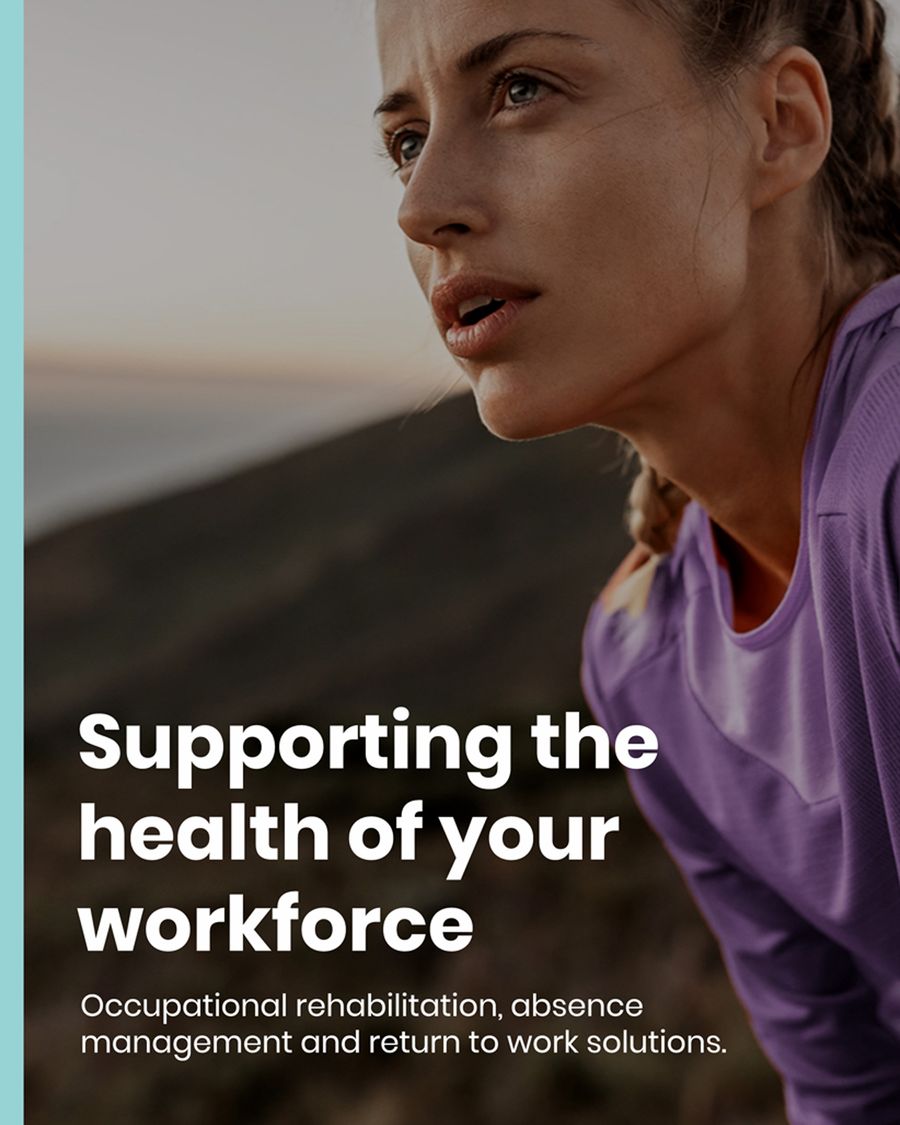
HCML provides rehabilitation, case management, occupational health and workplace wellbeing. When we interviewed the intermediaries who recommend and buy its corporate health services, they told us they hunt for trends and credible content to share, and turn overwhelmingly to LinkedIn to find it. They wanted to hear from a provider all year round rather than be bombarded, and real stories landed harder than messages built around services. That became a year of content and communications built around ethical, behavioural nudges: a LinkedIn calendar, segmented email programmes, landing pages and lived experience stories.
That insight then ran through everything, from our messaging and LinkedIn content to the new website and case manager search tool. We came away with a brand that finally sounds like us and a content strategy that speaks straight to the people we most want to reach.
Design for how people really decide
People act when the next step is easy, not when they are most convinced. That is the first of five habits that run through how busy people decide. None of them is cynical, and designing with them rather than against them is what makes a brand and a website work.
| How people decide | What it means for your marketing | Read more |
|---|---|---|
| They act when the next step is easy | One clear action on each page, with nothing in the way | One clear call to action |
| They accept the default | Make the option most people should choose the one already chosen | How defaults decide |
| They look sideways for proof | Show people like them, saying something specific | Social proof that works |
| They avoid loss more than they chase gain | Say honestly what waiting costs, without pressure | Loss aversion, used honestly |
| They trust what they understand quickly | Explain what you do in words a newcomer gets first time | Making a complex offer simple |
For Emis Health, which makes specialist software for healthcare providers, the work was about moving more patients online. It brought together behavioural design research, a messaging strategy built around patients' own pains, and a programme of social media and SMS nudges and prompts. The plan ran across eight channels, from the receptionist's script and posters in the surgery to direct mail, email and the website, with tool kits for the surgeries.
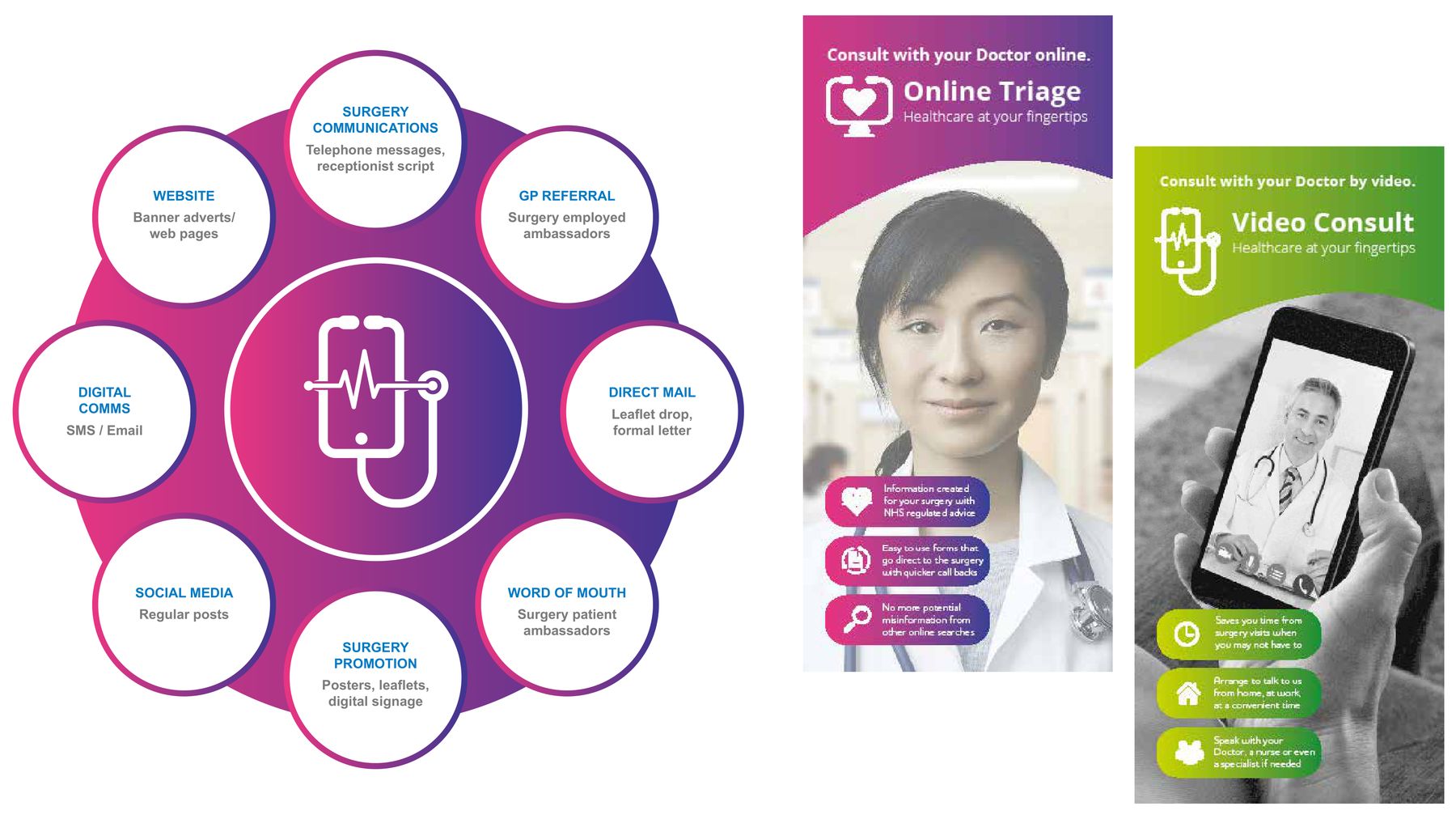
That is behavioural design in practice. Not tricks, but a plan built around how people actually make a small decision.
Take things away
Most improvement comes from removing, not adding: fewer messages, fewer steps, fewer competing choices. Every extra option is one more thing to weigh, and a busy person with too much to weigh often puts the decision off.
Sava began as National Energy Services, with several brands, divisions and websites, each strong on its own and confusing together. We brought them under one name, one identity and one corporate site that explained the offer clearly to each audience. At the scale of one website, Anglia Interiors shows the same idea: every page on its new site leads to one next step, a design visit. And for Staffline, we streamlined how candidates register and apply, which made applying far quicker.
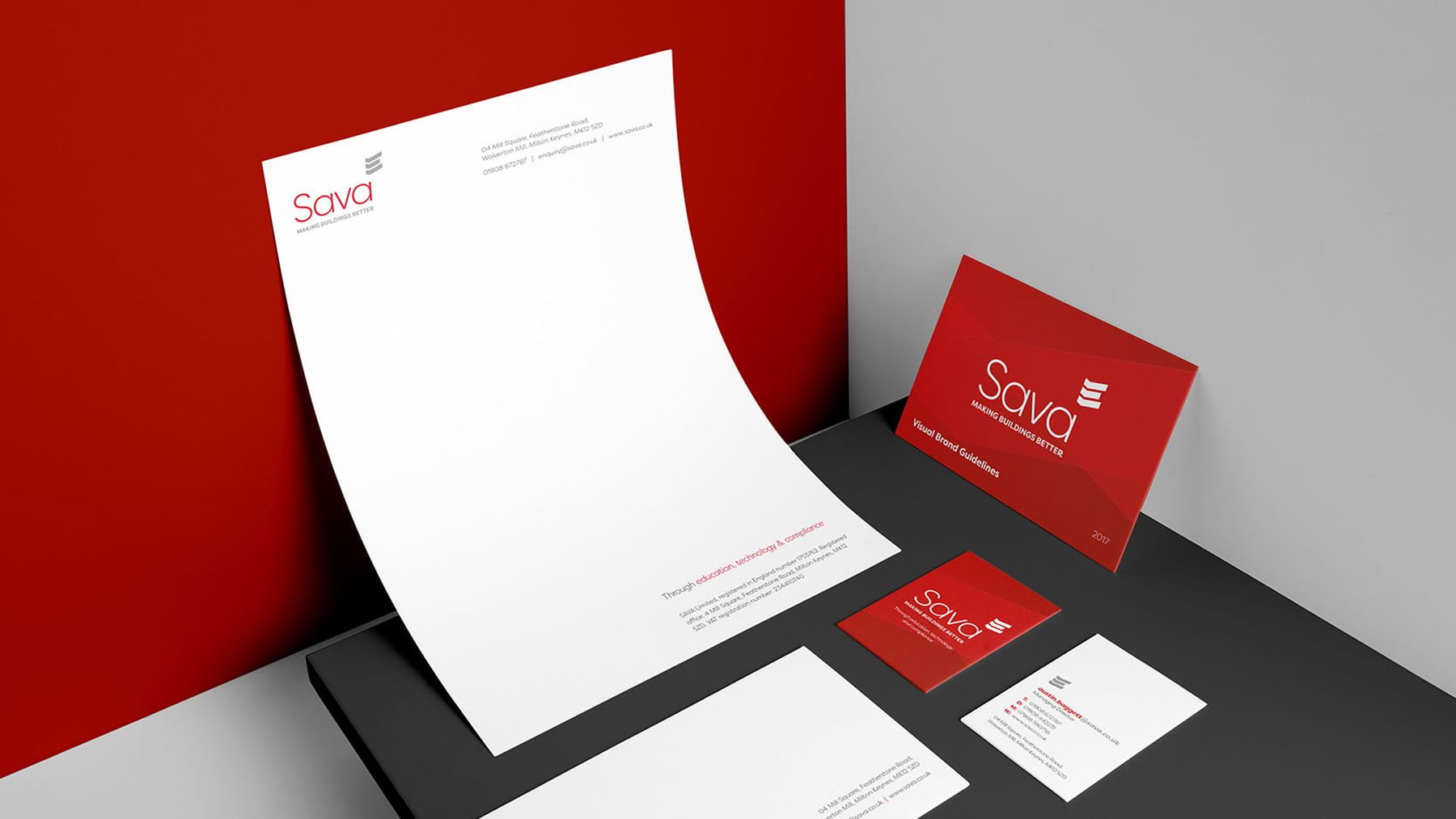
Before adding anything, ask what you could take away.
What a year of it looks like
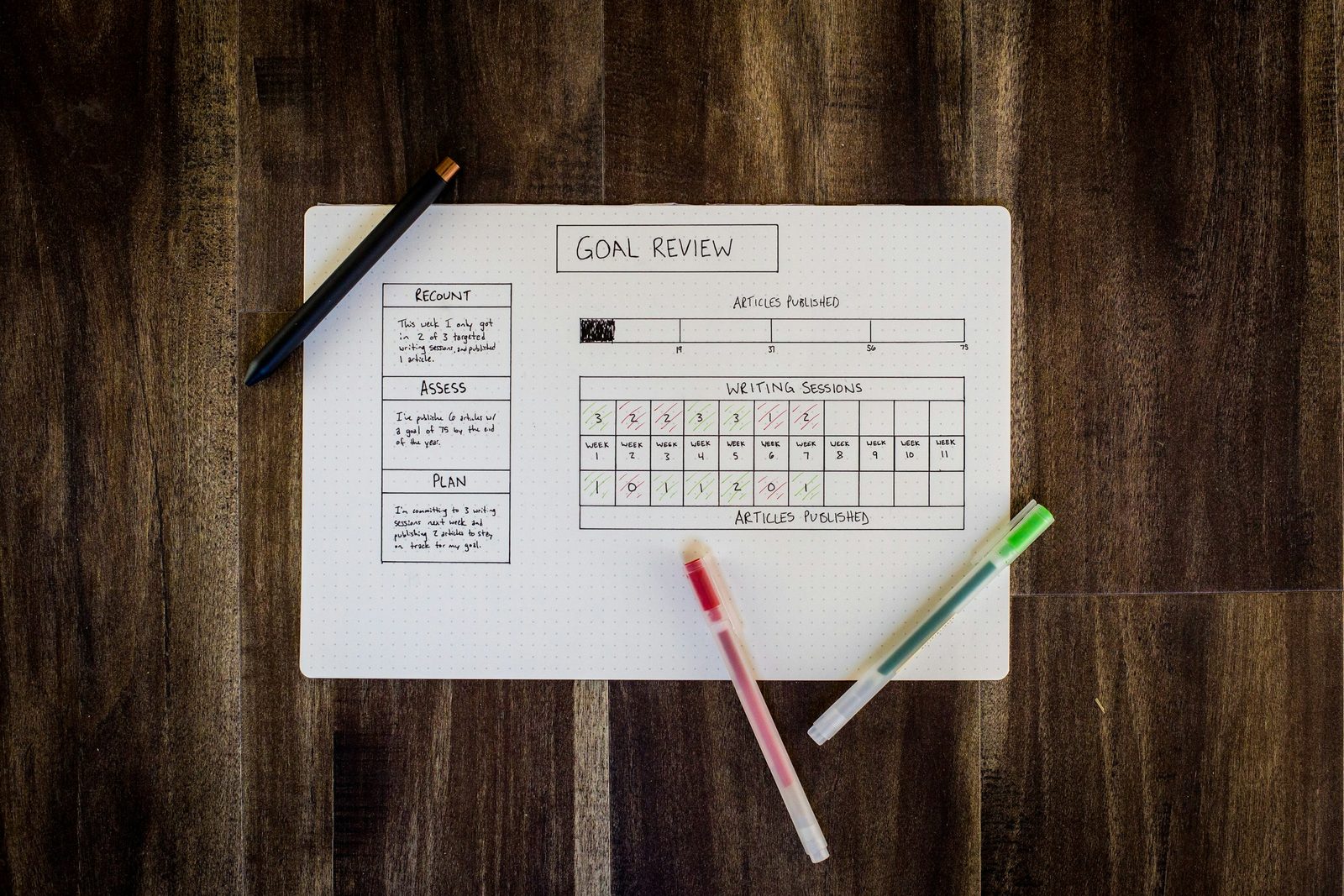
Human-centred marketing is a rhythm rather than a campaign. Here is the usual order of a year. The timings stretch or shrink with the size of the decision.
- 01Listen
Talk to the people who buy, use and recommend, and to some who chose someone else.
- 02Decide what to say
Pin down the main reason people choose you and what stops them, in a sentence the whole organisation can use.
- 03Build the few things that carry it
Usually a clearer website, a sales story and a small set of content. Not everything at once.
- 04Plan around their year, not yours
A steady rhythm people are glad to hear from, rather than bursts whenever you have news.
- 05Launch, then watch
Look at where people hesitate, where they leave and what they ask before they commit.
- 06Sharpen
Keep what works, change what does not, and go back to the people when something surprises you.
Our services follow the same order. Positioning and strategy covers the first two steps, and is where brand strategy sits. Branding and digital are the third: a brand identity, a website redesign or the sales tools that carry the story. Marketing and visibility is the last three, the marketing itself, which our marketing consultancy can plan with you. The whole process is on how we work.
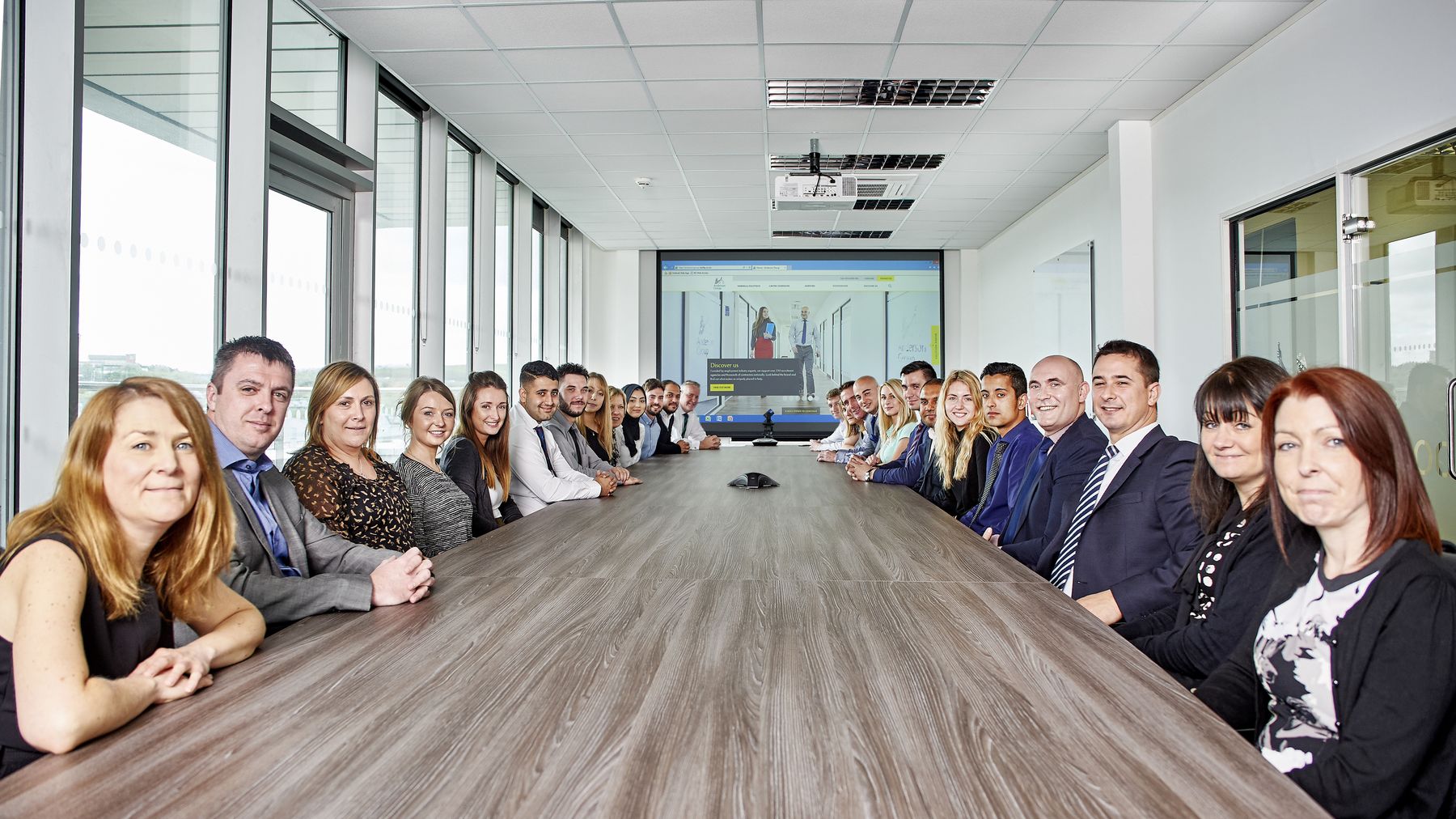
Anderson Group, a global outsourcing and payroll business, shows the shape. It started with senior management workshops, to turn a complicated offer into one that made sense to the people using it. Its audience had little time or interest in the subject, so the work leaned on short films, case studies and animations to debunk the myths of outsourcing. Once the brand and sales material were in place, we developed and ran its annual marketing and digital plans.
Understand the people, design for how they really decide, then test and sharpen. That is the whole method.
Nothing is finished at launch
Launch day is the start of the evidence, not the end of the project. What people actually do is the only real verdict, so watch it, learn and change what is not working. Evidence beats opinion, including ours.
You do not need expensive tools. Most of it is already to hand:
- Google Search Console shows the searches that bring people to you and the pages they land on. It is free.
- Your analytics show where people stop on the way to getting in touch.
- Your inbox and your sales calls show the questions people ask before they commit. Each one is a gap your website could close.
- A few conversations a year with the people themselves keep the picture from going stale.
Taking the person seriously
That is it. Not a trick and not a trend, just the discipline of taking the person on the other side seriously, all year round. It starts with human-centred design.
Common questions
What is human-centred marketing?
Marketing planned around how the people you want to reach really think, behave and decide, found out through research rather than assumed. It borrows its method from human-centred design: understand people first, design around what you learn, test it, and keep improving once it is live.
Is it only for businesses that sell to other businesses?
No. The method is the same whether people buy for a business, buy for themselves or give to a cause. What changes is who you talk to and what they are deciding. We use it with every kind of business, with charities and with the public sector.
Do we need a big research budget?
No. The size of the decision sets the size of the research. A handful of good conversations and an honest look at your analytics will often change a plan. What matters is that someone goes and finds out before the money is spent.
How is this different from being customer-focused?
Plenty of organisations say they put customers first. The difference is evidence. Human-centred work goes and asks, watches what people do as well as what they say, and changes the plan when the answer is a surprise.